
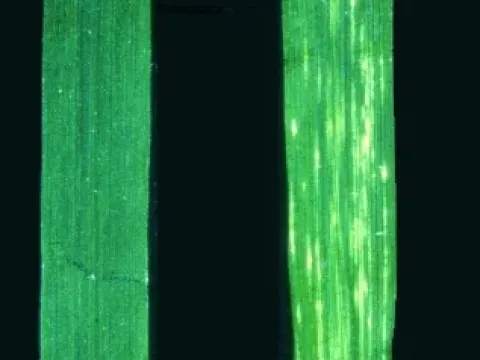
Dactylis mosaic virus
Potyvirus dactylis
The Dactylis mosaic virus (DMV) is the causative agent of this viral disease. It is classified within the Potyvirus genus, characterized by its filamentous virions and a single-stranded RNA genome.
What the section contains
Dactylis mosaic virus
This disease is a systemic viral infection that primarily affects the vascular tissue of the host plant. The virus is spread mainly in a non-persistent manner, primarily by various species of aphids that feed on the grasses.
In natural habitats, the virus persists in perennial grasses, which serve as long-term infection reservoirs. Mechanical transmission can also occur through farm equipment during harvesting, mowing, or livestock grazing.
Once inside the plant, the virus interferes with chlorophyll synthesis and metabolic processes, causing stunted growth and poor development. The virus significantly inhibits photosynthesis, weakening the host's vitality.
The Dactylis mosaic virus is highly specific to the Poaceae family, primarily targeting Dactylis glomerata (orchard grass), but it can also affect other related wild grass species.
Early symptoms include light green or yellow streaks and stripes that run parallel to the leaf veins. Over time, these patterns merge to form a distinct mosaic-like discoloration across the leaf surface.
As the infection progresses, the leaves turn yellow and the tips may begin to wither and die prematurely. In severe cases, the entire plant may show signs of chlorosis, leading to a sickly appearance.
Infected plants exhibit significantly reduced growth rates compared to healthy specimens. They are often shorter, less vigorous, and show reduced tillering, which impacts the overall density of the pasture stand.
Reproductive organs are also affected; the virus can cause deformation of the panicles and poor seed formation. The spikes may appear pale, stunted, or fail to develop normally during the heading stage.
- intermittent light-colored stripes on the leaves;
- distinct mosaic patterns on foliage;
- noticeable stunting of plant growth;
- premature yellowing and desiccation of leaves;
- deformation of flowering structures and reduced seed quality.
The spread of the virus is largely dependent on the population dynamics of aphid vectors. High aphid activity during the growing season directly correlates with increased rates of viral transmission.
Temperature and humidity play crucial roles in viral replication within the host plant tissues. Mild, warm weather conditions generally favor both aphid movement and the progression of the viral disease.
Dense, poorly managed stands and the presence of wild grasses serve as hotspots for the virus. These environments promote the rapid movement of vectors and facilitate the spread of the pathogen.
The use of infected seed or contaminated planting stock can introduce the virus to new fields, although the primary mode of spread remains vector-based or mechanical transmission during field activities.
Agricultural practices such as mowing or baling can inadvertently spread the virus. If equipment is not sanitized after working in an infected area, it becomes a mechanical vector for the pathogen.
The primary economic impact is a reduction in forage yield, directly affecting hay quality and overall pasture productivity. Infected stands are less nutritious and less palatable to livestock.
Chronic infection disrupts the energy balance of the plants, leading to weakened root systems and lower overall biomass production. This results in the gradual thinning of the crop over time.
Plants affected by the virus become more susceptible to other biotic and abiotic stresses, including drought, cold, and secondary fungal infections, leading to stand decline.
Frequent stand thinning due to viral infection requires costly reseeding efforts. Producers face higher operational expenses to maintain the required density and quality of their forage crops.
Reduced seed quality and quantity can complicate local efforts to reproduce high-quality forage varieties, leading to a shortage of certified, disease-free seed for future planting.
The most effective management strategy is the selection and use of resistant or tolerant cultivars. Planting disease-resistant varieties is the best way to prevent the establishment of the virus.
Monitoring and controlling aphid populations is essential. Using targeted insecticides can help reduce the number of vectors, thereby slowing down the rate of infection in the field.
Good weed management is vital to reduce infection pressure. Removing wild host grasses from around the fields helps eliminate the reservoirs where the virus survives between growing seasons.
Strict sanitation of mowing and harvesting equipment is necessary to prevent mechanical spread. Cleaning machinery between fields is a standard procedure to limit the movement of plant sap.
Maintaining optimal soil fertility and following proper agronomic practices help boost plant immunity. A strong, healthy plant stand is generally more resilient to viral pressure than a stressed one.