
Dasheen mosaic virus
Potyvirus dasheenis
Dasheen mosaic virus (DsMV) is a member of the Potyviridae family, specifically classified within the Potyvirus genus.
What the section contains
Dasheen mosaic virus
The virus consists of flexuous, filamentous particles containing a single-stranded RNA genome, which is typical for this group of plant pathogens.
It primarily infects plants within the Araceae family, with taro (Colocasia esculenta) being one of the most economically significant hosts.
The virus is systemic, meaning it spreads throughout the vascular system of the plant, including the rhizomes, corms, and aerial parts.
DsMV survives in infected perennial plant tissues and is disseminated locally by various aphid species that act as vectors.
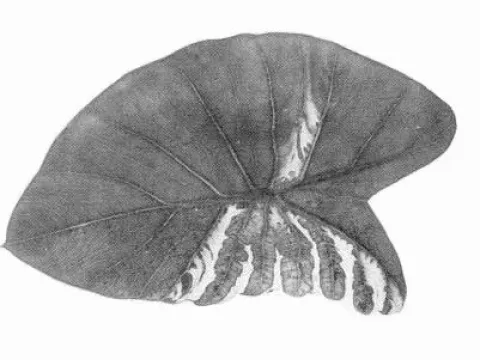
Symptoms often manifest as a mosaic pattern, characterized by patches of light green, yellow, or dark green discoloration on the leaves.
Leaf deformation is a hallmark of this infection, with leaves frequently appearing narrow, elongated, or distorted into "arrowhead" shapes.
Plants may exhibit vein banding, which is a specific type of chlorosis or necrosis following the path of the leaf veins.
In many cases, the growth of the affected plant is stunted, leading to a reduced overall size and weakened physical appearance.
While mature plants may sometimes appear asymptomatic, the virus remains present in the tissues, serving as a reservoir for further spread.
Warm and humid environments favor the development of the virus by promoting the rapid multiplication and migration of aphid vectors.
High-density planting increases the probability of mechanical transmission, as leaves rub against each other, facilitating the entry of the virus through micro-wounds.
Human activity is a primary driver of long-distance and local transmission, particularly through the use of non-disinfected tools during propagation or harvesting.
The presence of wild aroid species in the vicinity of cultivation areas can act as a reservoir for the virus, ensuring a continuous source of infection.
Inadequate sanitation during the corm or rhizome propagation phase ensures that the next generation of plants will inherit the virus from the mother stock.
For food crops like taro, the virus causes a significant reduction in tuber yield and quality, which directly impacts food security and farm profitability.
In ornamental aroids, such as Dieffenbachia or Aglaonema, the virus reduces market value due to the unsightly distortion and discoloration of the foliage.
Viral infection leaves the plants more susceptible to opportunistic secondary pathogens, increasing the overall disease pressure within the nursery.
The presence of the virus severely restricts the international and regional movement of plant material due to strict quarantine regulations.
Over time, chronic infection leads to the degeneration of desirable cultivars, forcing growers to replace their entire stock with certified virus-free material.
The most effective strategy for managing DsMV is the use of tissue-culture-derived, certified virus-free planting stock.
Rigorous vector control programs, utilizing appropriate insecticides, help in reducing the primary and secondary spread of the virus within the field.
- Immediate roguing and destruction of symptomatic plants to eliminate the source of the virus within the crop population.
- Sanitation of all cutting and pruning tools using approved disinfectants after each individual plant interaction.
- Maintaining a weed-free buffer zone around production areas to prevent the introduction of the virus via wild hosts.
Since there are no curative treatments for viral diseases, preventive management remains the only viable approach for long-term health.
Consistent monitoring and early detection are essential to prevent a localized infection from becoming an epidemic within the cultivation site.