
Cytorhabdovirus
Cytorhabdovirus
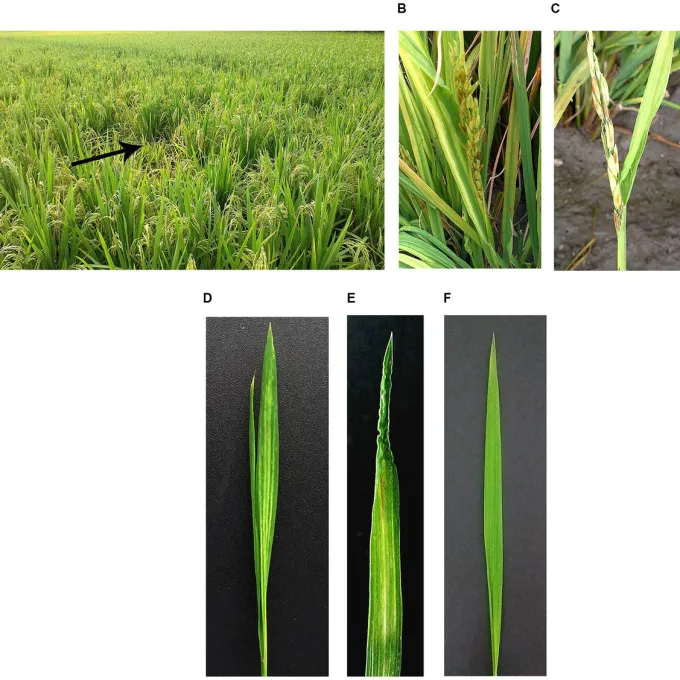
Description
Symptoms
Symptoms of infection are diverse and often include the development of yellowing, chlorosis, and distinctive mosaic patterns on leaves.
Plants often exhibit severe stunting and reduced growth rates, which are frequently the most visible early signs of systemic infection.
Leaves may show visible curling, deformation, or crinkling, indicating a disruption in the normal hormonal balance and cellular metabolism.
In many cases, shortening of internodes occurs, leading to a bushy or stunted appearance that drastically alters the plant architecture.
Floral development is usually compromised, often resulting in flower abortion or the production of malformed, undersized fruit with low market value.
Pathogen
Cytorhabdovirus is a genus of plant viruses within the family Rhabdoviridae, characterized by bacilliform virions containing a single-stranded RNA genome.
The defining biological feature of this genus is that the replication of the viral genome occurs exclusively within the cytoplasm of the host plant cell.
These viruses exhibit a broad host range, infecting various economically important crops, including potatoes, cereal grains, and diverse vegetable species.
Transmission of the virus occurs via specific insect vectors, primarily leafhoppers and aphids, which acquire the virus through feeding on infected tissues.
Once injected into the plant by the vector, the virus spreads systemically through the phloem, eventually colonizing various tissues and organs.
Conditions for development
The spread and incidence of Cytorhabdovirus outbreaks are largely dependent on the population dynamics of the insect vectors present in the area.
Environmental conditions that favor the rapid proliferation of leafhoppers, such as warm, dry weather, significantly increase the risk of field transmission.
Reservoir hosts, including common weeds and wild plants, play a critical role in overwintering the virus and serving as sources of primary inoculum.
Agricultural practices, such as overlapping planting schedules or inadequate field sanitation, create environments conducive to rapid viral spread.
High planting density can facilitate easier movement of insect vectors between host plants, accelerating the development of an epidemic.
Why it matters
The primary concern regarding Cytorhabdovirus is the systemic nature of the infection, which makes curative treatment of established plants impossible.
Infections often lead to substantial reductions in crop yield, sometimes resulting in total failure of the crop in highly susceptible varieties.
Beyond quantity, the quality of the agricultural product is often severely degraded, affecting size, taste, and the overall shelf life of the harvest.
Infected plants exhibit reduced vigor, which lowers their overall stress tolerance and increases susceptibility to secondary pest and pathogen attacks.
Economic losses are compounded by the costs of early destruction of infested crops and the necessary removal of potential infection sources.
Protection
The most effective strategy for managing Cytorhabdovirus is the use of high-quality, virus-tested, and certified disease-free planting material.
Integrated Pest Management (IPM) should be employed to control insect vector populations before they reach the thresholds for virus transmission.
Field sanitation is vital; removing infected plants promptly and controlling weed reservoirs helps limit the spread of the virus within the farm.
Where available, cultivating resistant or tolerant plant varieties is the most sustainable long-term solution for minimizing the impact of the disease.
Implementing spatial isolation between new fields and potentially infected areas can significantly disrupt the transmission cycle by insect vectors.
Discussion
No discussions yet — be the first.