
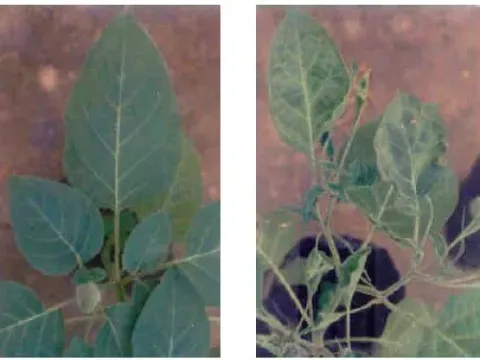
Datura distortion
Datura distortion
Datura distortion is caused by various viral pathogens, most notably the Cucumber Mosaic Virus (CMV) and Tobacco Mosaic Virus (TMV).
What the section contains
Datura distortion
These viruses act as systemic obligate parasites that replicate within the plant cells, significantly disrupting normal physiological functions.
The transmission of the virus is primarily facilitated by insect vectors, particularly aphid species that transmit the virus while feeding.
Mechanical transmission also occurs through contact between infected plant tissues and healthy specimens, often involving gardening tools or agricultural machinery.
The virus persists in reservoir hosts, including various wild weeds, ensuring its presence in the ecosystem throughout the entire growing season.
The most prominent symptom is the severe deformation of leaves, which often become narrow, twisted, or filiform in appearance.
Chlorotic mosaic patterns frequently develop on the leaf surface, characterized by alternating shades of light and dark green patches.
Infected plants exhibit stunted growth, reduced internode length, and an overall compact, dwarfed habit compared to healthy specimens.
Flowers may also show signs of distortion, becoming small, poorly developed, and failing to achieve normal pollination and seed set.
The entire plant canopy may appear distorted and chlorotic, indicating a systemic viral infection that affects all plant parts.
The spread of Datura distortion is heavily dependent on the activity and density of sap-sucking insect populations within the area.
Warm and humid weather conditions create an optimal environment for both the proliferation of aphid vectors and the rapid spread of viral pathogens.
The presence of various Solanaceae weeds surrounding agricultural fields acts as a persistent source of infection for the entire crop system.
High plant density and proximity to crops susceptible to the same viruses facilitate the movement of vectors and the rapid progression of the disease.
Agricultural practices that promote the growth of wild weeds can inadvertently increase the viral load in the immediate growing environment.
Datura distortion significantly impairs the biological fitness and metabolic processes of the infected host plants.
By disrupting photosynthesis and nutrient uptake, the infection reduces the overall vigor and reproductive capacity of the weed.
The primary concern is the transmission of these viruses from Datura to nearby economically important crops such as tomatoes, peppers, and potatoes.
Systemic viral infections are extremely difficult to manage once established, leading to potential crop losses in surrounding agricultural areas.
The disease poses a chronic threat to agricultural productivity by acting as a bridge for viral pathogens between wild and cultivated ecosystems.
Management strategies focus on reducing the population of viral reservoirs and controlling insect vectors that transmit the pathogens.
Regular monitoring and physical removal of Datura plants are essential to prevent the accumulation and spread of the virus.
The application of systemic insecticides targeting aphids can effectively disrupt the transmission cycle and limit the spread of the virus.
Maintaining clean field borders and practicing good sanitation during agricultural operations are critical components of an effective control program.
- Rigorous weed control in and around field perimeters.
- Timely monitoring and management of sap-sucking insects.
- Sanitation of tools to prevent mechanical virus transmission.
- Using resistant varieties for nearby susceptible commercial crops.