
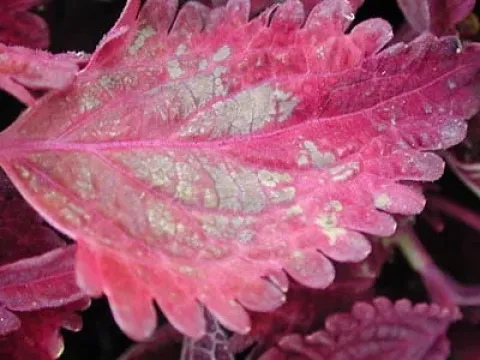
Coleus blumei (as a phytopathology object)
Coleus blumei
The first sign of disease in Coleus blumei is often a loss of turgor in the leaves, resulting in wilting even when the soil moisture appears to be adequate.
What the section contains
Coleus blumei (as a phytopathology object)
Dark, water-soaked lesions may appear on the stems and leaf petioles, gradually expanding in size and potentially causing the stem to collapse or rot.
In cases of fungal infection, a visible layer of mycelium or spores, often gray, white, or brown in color, may develop on the surface of the infected plant tissue.
The root system of the affected plant typically shows signs of decay, turning brown or black and becoming soft, which leads to the eventual death of the entire plant.
In the advanced stages of infection, yellowing of the leaves, stunted growth, and necrosis of the plant tissues are commonly observed throughout the canopy.
Fungal pathogens such as Pythium and Phytophthora species are primary culprits in causing devastating root rots in Coleus blumei.
Botrytis cinerea, or gray mold, is a common pathogen that thrives in humid environments, targeting the stems and leaves of the coleus plant.
Bacterial pathogens like Erwinia can invade plant tissues through wounds, causing soft, mushy, and foul-smelling areas that spread rapidly within the plant.
Viral infections, such as those caused by mosaic viruses, may manifest as leaf distortions, mottled patterns, and significant reduction in overall plant vigor.
These pathogens often survive as spores or dormant structures in the soil or infected plant debris, waiting for optimal conditions to initiate a new infection cycle.
Overwatering and poor soil drainage are the most significant contributors to the development of root rot diseases in container-grown coleus.
High relative humidity and stagnant air circulation create a perfect microclimate for the germination and spread of fungal spores on plant surfaces.
Temperature fluctuations, especially cool and damp conditions, weaken the plant's natural defenses, making it more susceptible to opportunistic pathogens.
Introducing infected plant material or using non-sterilized soil media are frequent ways that diseases are introduced into a new collection or greenhouse environment.
Over-fertilization with nitrogen can lead to excessive, succulent growth that is more easily penetrated by fungal hyphae and bacterial invaders.
The primary harm caused by these diseases is the total loss of the aesthetic value, which is the main purpose of cultivating Coleus blumei.
Systemic infections disrupt the internal water and nutrient transport systems, leading to rapid plant decline and death if left untreated.
Infectious diseases can spread quickly through a planting area, leading to significant financial losses for commercial greenhouse producers.
The presence of diseased plants poses a high risk to the rest of the collection, necessitating rigorous sanitation or the destruction of infected material.
Constant monitoring and the application of chemical control agents increase the labor and resource costs associated with maintaining a healthy coleus display.
Effective management begins with proper cultural practices, such as maintaining optimal irrigation levels and providing adequate space for good air circulation.
Always use sterilized potting media and choose disease-free cuttings to ensure that the initial plants are healthy and robust.
- Regularly inspect plants for any early symptoms of distress or infection.
- Immediately prune and dispose of any symptomatic plant parts to limit spread.
- Apply fungicides preventively or curatively, following specific label instructions.
- Ensure tools are sanitized between use on different plants to avoid cross-contamination.
Managing insect populations like aphids and thrips is essential, as these pests act as primary vectors for spreading viral pathogens within the garden.
Isolating suspected sick plants from the main group is a critical step in preventing an outbreak from turning into a total loss of the collection.