
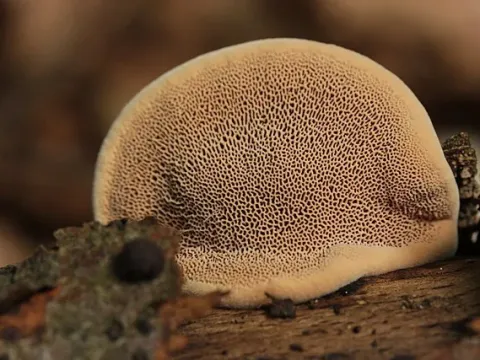
Hapalopilaceae fungi
Hapalopilaceae
The Hapalopilaceae family comprises a group of basidiomycete wood-decay fungi, which are specialized pathogens capable of causing significant degradation of woody tissues.
What the section contains
Hapalopilaceae fungi
The primary representative of this group is Hapalopilus nidulans, a fungus known for causing intense white rot in a wide range of deciduous tree species.
These fungi function primarily as wood-decaying organisms, colonizing both weakened living trees and deadwood, where they play a crucial role as saprotrophs in natural cycles.
The pathogen typically enters the tree through physical injuries in the bark, broken branches, or frost cracks, gradually breaking down essential wood components like lignin and cellulose.
The fungal mycelium spreads systemically within the trunk, penetrating the sapwood and heartwood, which significantly compromises the structural integrity of the host.
The presence of the fungus is most commonly evidenced by the appearance of annual fruiting bodies with an ochre to brown coloration on the bark surface.
A specific diagnostic feature of these fungi is the change in color of the fruiting body to a vibrant purple when exposed to alkaline chemical solutions.
Early-stage infections may be identified by color changes within the wood tissue and the development of specific fungal strands, known as rhizomorphs.
Internally, affected wood becomes soft, exhibits a fibrous texture, and turns lighter in color, indicating the progressive degradation of cell wall structures.
External symptoms often include the dieback of individual branches, premature leaf drop, and a general decline in the tree's vigor and health.
The growth and development of Hapalopilaceae are favored by conditions characterized by high humidity and moderate temperatures, typical of temperate forest zones.
Optimal infection sites are created by fresh wounds on the trunk, which can result from mechanical damage, improper pruning techniques, or insect activity.
The accumulation of dead wood, stumps, and debris in or near the orchard significantly increases the risk of spore transmission via wind currents.
Dense planting schemes that restrict air circulation and allow moisture to persist on the bark provide ideal conditions for spore germination and colony establishment.
Trees experiencing stress due to nutrient deficiencies, poor water management, or adverse weather are significantly more susceptible to successful fungal colonization.
The main hazard posed by these fungi is the rapid degradation of wood, which severely weakens the trunk and predisposes the tree to windthrow and breakage.
These pathogens cause significant economic losses by reducing the quality of timber and shortening the lifespan of both fruit and ornamental trees.
Progressive decay leads to the death of the tree within a few years unless rigorous sanitary intervention is implemented to halt the spread of the mycelium.
In garden environments, infected trees serve as primary reservoirs of inoculum, facilitating the spread of spores to neighboring healthy specimens.
Ultimately, the impact of the fungus results in a complete loss of tree productivity and the necessary removal of the plant to prevent further contamination.
Sanitary pruning is the most critical management strategy, involving the careful removal of all fruiting bodies and affected wood tissues back to healthy wood.
All pruning wounds must be immediately treated with specialized sealants or copper-based fungicides to prevent new spores from colonizing the exposed area.
Maintaining optimal tree vigor through balanced fertilization and correct irrigation is essential to strengthen natural defense mechanisms against pathogens.
Regular sanitation of the orchard, including the removal of stumps, dead branches, and woody debris, helps to significantly reduce the overall spore load in the area.
While chemical treatments using systemic fungicides can be used, their efficacy is limited, making preventive management the cornerstone of effective disease control.