
Wolfiporia cocos
Wolfiporia cocos
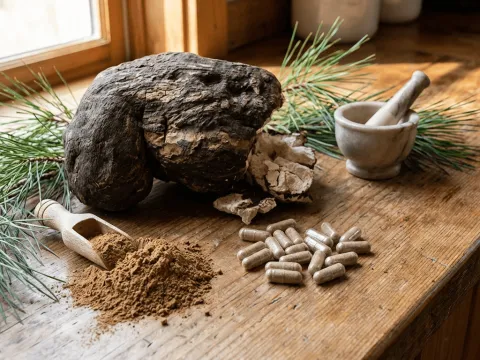
Wolfiporia cocos is a wood-decaying fungus belonging to the family Polyporaceae. It is a well-known pathogen responsible for brown rot, primarily affecting the root systems and the lower trunks of various tree species.
What the section contains
Wolfiporia cocos
Biologically, this organism acts as a necrotrophic parasite that selectively breaks down cellulose within the wood while leaving the lignin intact, which causes the characteristic brown coloration and structural degradation.
The fungus is famous for producing large, underground sclerotia that resemble coconuts. These structures are rich in nutrients and allow the pathogen to survive for extended periods in the soil, even in the absence of a host.
Once established, the mycelium spreads through the root system, colonizing new tissues and disrupting the plant's water and nutrient transport mechanisms. This process often takes place underground, making early detection extremely difficult.
As a pathogen, Wolfiporia cocos is highly resilient, thriving in diverse conditions and presenting a significant challenge for foresters and orchard managers alike.
Initial symptoms of infection include a decline in tree vigor, characterized by thinning foliage, premature yellowing, and stunted annual growth. These signs often point to root or crown damage.
A key diagnostic feature is the presence of brown, hardened sclerotia in the soil near the tree base. These structures are often visible when the soil is carefully disturbed around the roots.
The wood affected by the fungus exhibits a cubic-fracture pattern, typical of brown rot. It becomes dry, brittle, and easily crumbles when touched, losing its structural integrity significantly.
In advanced stages, the fungus may produce sporocarps on the bark or near the roots, which have a leathery or cork-like texture. This confirms that the internal colonization is extensive and the tree is in danger.
Internal cavities at the base of the trunk, frequently filled with mycelial mats, indicate that the tree is severely compromised and likely susceptible to windthrow during storms.
The development of Wolfiporia cocos is favored by acidic soil conditions and high moisture levels. Poor drainage around the tree base creates an ideal environment for mycelial growth and expansion.
The fungus thrives within a temperature range of 20 to 28 degrees Celsius. During warm and moist seasons, the rate of infection and tissue colonization increases dramatically.
Mechanical injuries to the root system or the base of the trunk serve as primary entry points for the pathogen. Damage from agricultural machinery or wildlife can easily invite the fungus to colonize the tree.
High planting density, which limits airflow and promotes high humidity levels in the soil, acts as a significant risk factor, facilitating the spread of the fungus between adjacent trees.
Old stumps and buried woody debris act as reservoirs for the fungus. If these are not removed, the mycelium can persist and infect any new trees planted in the vicinity.
The most severe impact of Wolfiporia cocos is the loss of structural strength in the roots and base of the tree, which significantly increases the risk of trees falling unexpectedly.
The pathogen severely impairs the tree's physiological functions, leading to poor fruit quality, decreased productivity, and eventual death. The decline is often irreversible once internal colonization is deep.
Economic damage is substantial, involving the removal of large, infected trees, the cost of stump eradication, and the loss of long-term investment in the orchard or plantation.
Soil contamination by this fungus renders the land unsuitable for replanting susceptible species for several years, necessitating expensive soil treatment or rotation to non-host crops.
By weakening the host, the fungus also makes the tree more susceptible to secondary infestations by bark beetles and other opportunistic pathogens, accelerating the demise of the plant.
The primary control strategy involves the immediate removal of infected trees, including the entire root system and any remaining stump, to eliminate the fungus's source of survival.
Maintaining good horticultural practices, such as sanitizing pruning tools and avoiding any damage to the bark or roots, is essential to preventing initial infection in healthy stands.
Improving soil drainage and aeration around the trees is crucial to discourage the growth of the fungus. Avoiding excessive irrigation in the root zone can also limit the development of the pathogen.
Fungicidal soil treatments around the perimeter of infected sites can help manage the localized spread of the mycelium and protect adjacent healthy trees from early invasion.
- Regular monitoring for signs of rot at the tree base.
- Complete removal of infected plant material and roots.
- Selecting resistant varieties for new plantings.
- Optimizing soil health and moisture management.