
Wood discoloration
Deuteromycetes
The primary symptom is a visible shift in the natural coloration of the timber, appearing as pale patches, streaks, or general fading of the wood tissue.
What the section contains
Wood discoloration
Infected wood loses its characteristic structural integrity, often becoming brittle and susceptible to splitting under even moderate physical stress.
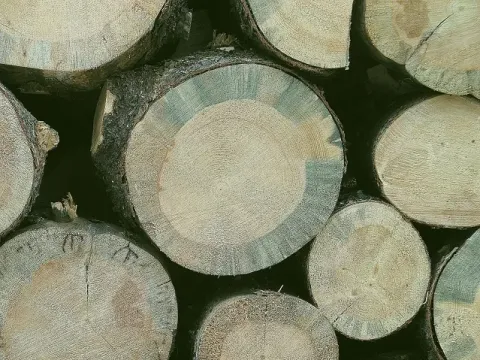
Cross-sections of stems or branches reveal distinct zones of decay where the fungal mycelium has colonized the vascular and structural components.
For species such as elm, the discoloration is frequently accompanied by early leaf drop and the dieback of upper crown branches.
A faint, musty odor is often present in the affected areas, serving as an early indicator of active fungal growth inside the host plant.
The disease is caused by fungi belonging to the Deuteromycetes class, often referred to as anamorphic or imperfect fungi.
These organisms reproduce via conidia, which are efficiently dispersed by wind, rain splashes, or insect vectors moving between host trees.
The fungus typically enters the host through wounds, frost cracks, pruning sites, or galleries created by wood-boring insects.
Once inside, the pathogen secretes powerful enzymes to break down lignin and cellulose, fundamentally altering the wood's chemical composition.
The infection often spreads systematically, clogging the tree's xylem and disrupting the crucial upward transport of water and nutrients.
High relative humidity and moisture content within the timber are the most critical factors driving the rapid development of the fungus.
An optimal temperature range for the growth of most Deuteromycetes lies between 18 and 25 degrees Celsius, covering most of the growing season.
Trees stressed by drought, soil salinity, or recent mechanical injuries are significantly more susceptible to successful fungal colonization.
Poor ventilation in dense plantations creates a stagnant microclimate that allows fungal spores to germinate and infect nearby trees easily.
Neglected maintenance, such as leaving dead branches or stubs, provides the necessary entry points for the pathogen to establish itself.
The most severe impact is the irreversible loss of structural strength, turning the tree into a safety hazard prone to mechanical failure.
Pathogen-induced vascular blockage leads to gradual plant exhaustion and eventual death if the infection is left untreated over several seasons.
Wood discoloration significantly reduces the commercial value of the timber, rendering it unsuitable for high-quality wood processing.
Infected trees serve as a persistent source of inoculum, threatening the health of other trees within the same ecosystem or nursery.
For landscape trees like the elm, the disease degrades the aesthetic value and ecological health of the entire urban forest.
The fundamental strategy involves regular sanitary pruning to remove and safely destroy all infected wood before spores can disperse.
All exposed wounds or pruning cuts must be treated immediately with appropriate wound dressings or fungicides to prevent new infections.
Maintaining vigorous plant health through adequate irrigation and fertilization improves the tree's natural resistance to fungal pathogens.
Routine application of preventive fungicides is recommended in areas where the disease is known to be endemic or when weather conditions are favorable.
- Disinfecting all pruning tools with a 70% alcohol solution between cuts.
- Conducting regular health assessments of tree trunks and major limbs.
- Promoting air circulation in dense canopy areas through thinning.