
Description
Symptoms
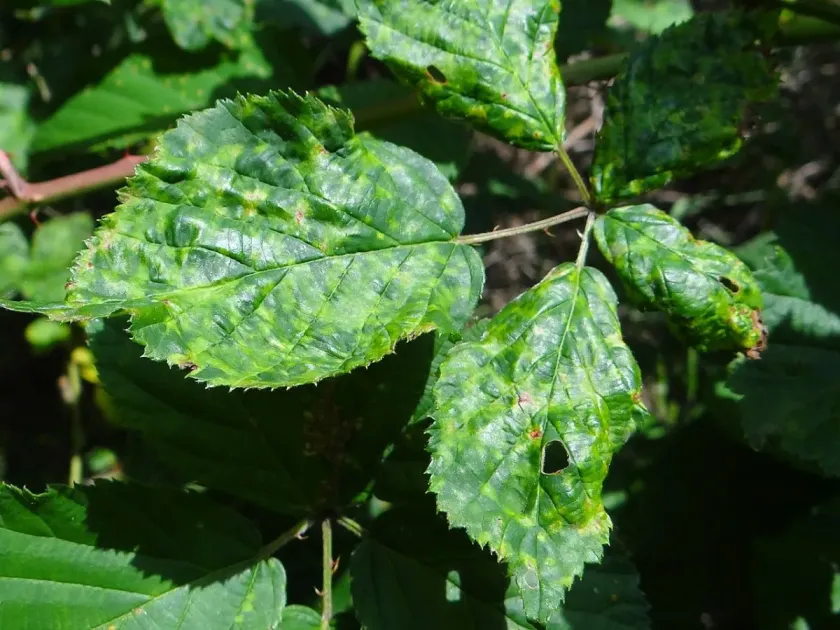
The most distinctive symptom of vein banding mosaic is the chlorotic or yellowish discoloration of tissues located immediately adjacent to the leaf veins.
This creates a clear, banded pattern along the veins, while the rest of the leaf lamina may remain green or show different shades of mosaic-like mottling.
As the infection progresses, affected leaves often exhibit curling, crinkling, and significant size reduction, which inhibits the plant's overall photosynthetic capacity.
In grapes, infected vines frequently show stunted growth and poor cane development, leading to reduced vigor and increased susceptibility to winter damage.
Tobacco plants infected with this virus show characteristic vein clearing followed by mosaic patterns, leading to lower leaf quality and overall stunted plant height.
Pathogen
Vein banding mosaic is a widespread viral disease caused by specific mosaic virus strains that invade the vascular system of host plants, particularly affecting viticulture and tobacco crops.
These viruses are obligate intracellular pathogens that hijack the host plant's cellular machinery to replicate, causing severe physiological disruption within the tissues.
The virus survives in reservoir hosts, including wild weeds and infected perennial plants, allowing it to persist in the environment from one season to the next.
In the field, transmission is predominantly facilitated by sucking insects such as aphids, leafhoppers, and mites, which acquire and spread the virus while feeding on plant sap.
Additionally, mechanical transmission remains a significant risk, as the virus can be spread through contaminated pruning tools, grafting equipment, or handling practices.
Conditions for development
Disease development is highly dependent on environmental conditions that favor the proliferation of insect vectors, such as warm temperatures and moderate humidity.
Dense planting configurations increase the speed of disease transmission, as insects move easily between plants in close proximity, creating focal points of infection.
Poor field sanitation, specifically the presence of infected weeds in or around the planting rows, serves as a breeding ground for virus-carrying insects.
Improper use of agricultural equipment without routine sterilization facilitates the anthropogenic spread of the virus across large commercial plantations.
Stressed plants, suffering from drought, poor nutrition, or extreme temperature fluctuations, are significantly more vulnerable to viral infection than healthy, vigorous ones.
Why it matters
Vein banding mosaic significantly impairs crop productivity by damaging the leaves and limiting the plant's ability to produce energy through photosynthesis.
Infected grapevines experience reduced fruit set and lower sugar content in berries, leading to poor yield quality and economic losses for the grower.
For tobacco growers, the disease is particularly devastating as it degrades the leaf quality, reducing the market value of the harvested crop.
Chronic infection weakens the plant's systemic resistance, making it more susceptible to secondary infections by fungi or bacteria, which can hasten plant decline.
There is no chemical cure for viral infections once a plant is infected, often necessitating the complete removal and destruction of the diseased plants.
Protection
The primary control measure is the exclusive use of virus-free, certified planting material, which prevents the introduction of the pathogen into the field.
Integrated Pest Management (IPM) strategies, including regular monitoring and control of insect vectors, are essential to minimize viral transmission rates.
Strict hygiene protocols must be followed, including the systematic sterilization of all pruning tools with approved disinfectants to prevent mechanical spread.
Early identification and culling of infected plants (roguing) are critical to breaking the disease cycle and protecting neighboring healthy plants.
Maintaining a weed-free environment and good crop vigor through balanced fertilization help build plant resilience and reduce the reservoir of the virus.
Pathogens and affected parts
Affects crops · 2
Discussion
No discussions yet — be the first.