
Valdensia
Valdensia
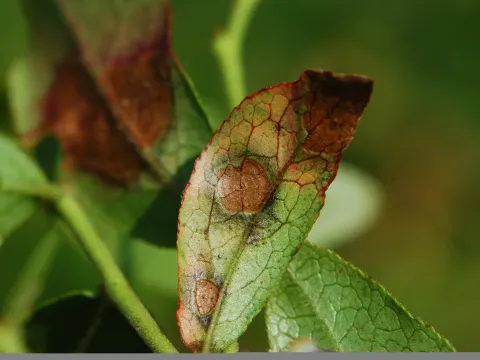
Symptoms of Valdensia typically begin as small, dark brown or black spots on the leaves. These spots often display a distinctive angular shape, as they are restricted by the veins of the leaf, giving them a sharp, geometric appearance.
What the section contains
Valdensia
As the disease progresses, these individual lesions coalesce to form larger necrotic areas. Under high humidity conditions, a sparse white or greyish fuzz may appear on the underside of the leaves, representing the conidial sporulation of the fungus.
Heavy infection frequently results in premature leaf drop, which significantly impacts the plant's physiological condition. Beyond the foliage, the pathogen can attack petioles and tender shoots, leading to tissue collapse and stunted growth of the affected parts.
Affected plants often show a reduced vigor compared to healthy ones. The loss of photosynthetic surface area limits the plant's ability to store energy for the following season, often resulting in weakened branches and poor floral bud development.
Visual identification can be challenging as symptoms may resemble other foliar spots. Therefore, observing the specific lesion geometry and the timing of sporulation is essential for a precise diagnosis by agricultural professionals.
The causative agent of this disease is the anamorphic fungus Valdensia heterodoxa. It is a specialized pathogen that thrives in temperate climates, showing a particular preference for certain shrub species and berry crops.
The fungus is characterized by the production of unique, star-shaped or V-shaped multicellular conidia. These specialized spores are highly efficient at adhering to leaf surfaces, allowing the fungus to colonize the host plant rapidly upon germination.
Valdensia heterodoxa is capable of overwintering as mycelium within infected plant tissues or as resilient micro-sclerotia in the soil. This ability to survive in plant debris makes the pathogen a persistent threat to new growth each spring.
Dissemination occurs primarily through rain splash and wind, which carry the spores from leaf litter to healthy foliage. Within dense canopy structures, the fungus spreads rapidly, creating hotspots that can lead to large-scale defoliation.
Biological studies of the pathogen highlight its capacity to adapt to various micro-environments. Managing this disease requires an understanding of its reproductive cycle, specifically targeting the inoculum source to prevent secondary infection waves.
High humidity and consistent moisture are the most critical environmental drivers for Valdensia development. Frequent rainfall, heavy morning dew, or overhead irrigation patterns create the perfect environment for spore germination.
Poor air circulation within dense plantings prevents the foliage from drying out quickly after wet weather. This prolonged moisture presence is essential for the fungal infection process, as dry foliage significantly reduces the risk of successful colonization.
Temperature plays a vital role, with moderate ranges (typically 15°C to 20°C) being optimal for the rapid colonization of host tissue. During these periods, the incubation time of the fungus is minimized, accelerating the visible spread of the disease.
Shaded locations with limited sunlight access are particularly prone to high disease pressure. The microclimate in these spots remains cool and damp for longer periods, providing the fungus with constant opportunities to thrive and spread.
Effective management of these conditions, such as pruning for air flow and selecting appropriate planting densities, is fundamental to reducing the reliance on chemical control measures throughout the growing season.
The primary harm caused by Valdensia is the reduction of the leaf surface area, which directly leads to diminished plant energy reserves. This metabolic depletion results in lower overall fruit yield and poor plant performance in the subsequent year.
Premature defoliation exposes the plant to winter damage, as the shrubs cannot properly harden off before the first frost. This often leads to severe winter kill and spring dieback, potentially causing significant economic losses for growers.
For ornamental plants, the visual damage caused by leaf spots and shoot necrosis makes them commercially non-viable. The presence of the disease in nursery settings often leads to quarantine restrictions and loss of marketability for the inventory.
Increased susceptibility to secondary pathogens is another consequence, as the stressed plant loses its natural defenses. This cumulative stress often necessitates more frequent and expensive intervention strategies to maintain the health of the planting.
If left unmanaged, the pathogen can reach epidemic levels within a couple of growing seasons. This situation usually requires a combination of intensive sanitation and chemical control to bring the infection under control and restore productivity.
Sanitation is the cornerstone of Valdensia control. Raging and removing all infected leaf litter during the autumn and winter months is critical, as it eliminates the primary source of the fungus for the upcoming spring season.
Strategic pruning and proper spacing help improve air circulation throughout the plant canopy. This practice accelerates leaf drying and prevents the buildup of the high-humidity environment that the fungus requires to germinate.
Chemical control, particularly the use of copper-based fungicides, is effective if applied early in the infection cycle. Preventative sprays after rainy periods can significantly reduce the establishment of the pathogen on new foliage.
Switching from overhead irrigation to drip or localized irrigation is highly recommended to keep foliage dry. Minimizing water contact with the leaf surface is a simple yet effective method to limit the spread of fungal spores.
- Regular inspection and removal of infected branches
- Maintaining healthy soil fertility to support plant immunity
- Rotating fungicide chemical groups to prevent resistance
- Utilizing disease-resistant cultivars when establishing new plantings