
Valsa canker of conifers
Valsa curreyi
Description
Symptoms
The initial symptom of infection is a localized change in bark color, which becomes brown and slightly sunken. In infected areas, the bark starts to crack, exposing the wood, which is a specific sign of this type of necrosis.
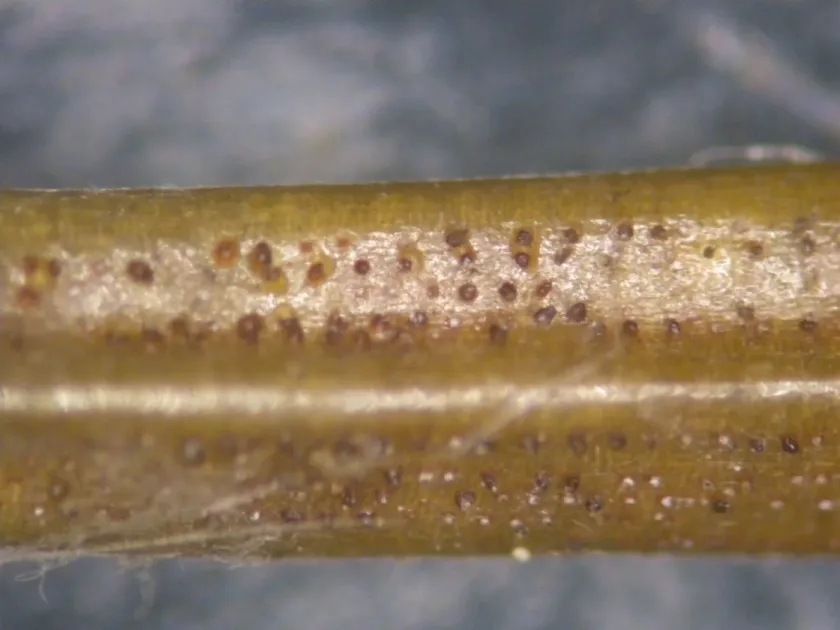
A characteristic diagnostic feature of Valsa curreyi is the appearance of numerous black pustules — pycnidia, which rupture the bark's epidermis. They often appear in clusters, creating a rough, bumpy texture on the surface of the trunk or branches.
Needles on affected branches turn yellow, eventually becoming reddish-brown and dropping prematurely. Dieback usually begins in the lower crown and gradually spreads to higher levels.
If the main trunk is girdled by the infection, the tree loses its ornamental value and may eventually die. A cross-section of an infected branch reveals a dark necrotic zone clearly demarcated from healthy wood.
As the disease progresses, the bark may peel away in patches, exposing the tree to secondary pests and additional fungal infections that further weaken the plant's defenses.
Pathogen
The causal agent of this disease is the ascomycete fungus Valsa curreyi, belonging to the order Sphaeriales. This pathogen acts as a facultative parasite, primarily infecting weakened trees by entering tissues through mechanical injuries or bark fissures.
The fungus actively colonizes the cambial layer and bark, gradually spreading along the trunk and branches. Its life cycle includes both conidial and ascosporic stages, ensuring high survival rates under varying environmental conditions.
Primary hosts include various conifer species, most notably spruce, and occasionally pine and larch. Infection typically occurs during periods of high humidity, with spores being dispersed by wind or rain splashes.
Fungal mycelium develops beneath the epidermis, destroying living tissues and disrupting the transport of nutrients. Prolonged exposure to the pathogen leads to total tissue necrosis in affected areas.
The pathogen is highly adaptable and can persist for long periods in dead or dying branches, serving as a persistent inoculum source for healthy plants in nurseries and forests.
Conditions for development
The development of Valsa canker is facilitated primarily by abiotic stresses such as drought or waterlogging, which compromise the tree's natural immune system.
Mechanical injuries, such as sunscald or frost cracks, are particularly dangerous as they provide easy entry points for fungal spores to colonize the tree's tissues.
Dense planting configurations with poor air circulation create a microclimate favorable for spore germination. High humidity and lack of sunlight in the lower crown accelerate the spread of the fungus.
Planting seedlings in unsuitable soils, nutrient deficiencies, and inadequate horticultural maintenance increase the susceptibility of conifers to this pathogen.
Infection is most active during the spring when mild temperatures and moisture promote the mobility and aggressiveness of fungal spores toward weakened host tissues.
Why it matters
The damage caused by Valsa canker is primarily seen in the gradual dieback of branches, which leads to crown deformation and the loss of ornamental value in landscape plantings.
When the pathogen girdles the main trunk or scaffold branches, it disrupts nutrient transport, inevitably causing the death of the tree sections above the infection point.
The disease causes significant stress, leaving the tree highly vulnerable to secondary colonization by bark beetles and wood borers, which accelerate the tree's mortality.
In forest nurseries, the spread of this fungus often necessitates the disposal of large batches of planting material, causing significant economic losses for producers.
Without timely intervention, the infection can spread throughout a stand, creating widespread patches of dieback that are difficult to manage and eradicate.
Protection
The primary control measure involves regular sanitary pruning of all infected branches, ensuring the removal of some healthy wood and disinfecting the cuts with protective wound sealants or fungicides.
Promptly collecting and burning infected plant debris is crucial, as fungal spores can remain viable in dead bark for several seasons, posing a risk to neighboring trees.
For prevention, applying copper-based fungicides (such as Bordeaux mixture) in early spring before bud break and again in the fall as a dormant spray can significantly reduce infection risk.
Maintaining high cultural standards, including proper watering, balanced fertilization, and protecting trunks from sunscald, strengthens the tree against potential attacks.
If early stages of canker are detected, the use of systemic fungicides is recommended to suppress mycelial growth within the plant tissues and prevent further colonization.
Discussion
No discussions yet — be the first.