
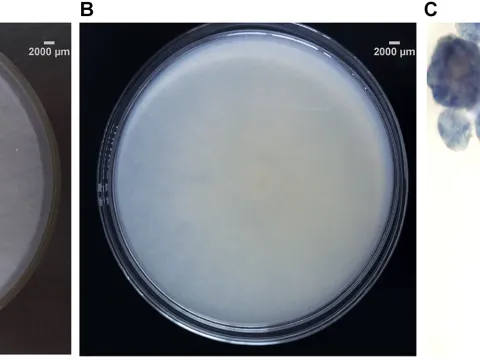
Umbelopsis dimorpha
Umbelopsis dimorpha
The disease is caused by Umbelopsis dimorpha, a microscopic soil-borne fungus belonging to the Zygomycota phylum. This species is highly adaptable and functions as both a saprotroph and an opportunistic parasite under stress conditions.
What the section contains
Umbelopsis dimorpha
The fungus produces specialized sporangia and chlamydospores that allow it to survive in adverse environmental conditions. Its life cycle is closely linked to organic matter in the soil, where it can persist for extended periods.
The pathogen's mycelium penetrates deep into root tissues, breaking down cellular structures through the secretion of enzymes. This disrupts the plant's ability to absorb water and essential nutrients from the substrate.
The development of Umbelopsis dimorpha is often accompanied by secondary infections, which complicates diagnostics as the symptoms can mimic those of other common soil pathogens.
The biology of Umbelopsis dimorpha is studied in the context of soil microbiology, where it is recognized as a significant threat to young, developing seedlings in greenhouse environments.
The first signs of infection include sudden wilting of the shoots during the day. Even with adequate watering, the plants fail to recover their turgor, indicating severe damage to the root system.
Examination of the underground parts reveals darkening and softening of the root tissues. The roots become brittle, and the outer layer of the epidermis easily sloughs off, leaving only the central vascular core.
In the early stages, water-soaked spots appear near the root collar. These lesions eventually turn brown or black. In high-humidity conditions, a faint white mycelial mat may appear on the surface.
Growth is significantly stunted compared to healthy plants. Leaves begin to yellow from the bottom up, signaling a progressive failure of the plant's conducting system due to extensive root decay.
- Stunted growth and yellowing leaves.
- Soft and brittle root tissues.
- Water-soaked lesions on the stem.
- Permanent wilting of shoots.
Excessive soil moisture is the primary factor favoring fungal development. High humidity levels prevent proper aeration, creating a perfect environment for spore germination.
Cooler soil temperatures, frequently encountered in early spring, often lead to slow plant metabolism. This lack of vigor makes seedlings highly susceptible to the colonization of Umbelopsis dimorpha.
Dense planting facilitates the rapid spread of the fungus between adjacent plants. As root systems touch, the pathogen easily moves from infected to healthy individuals through the wet soil medium.
Poor ventilation in greenhouses creates stagnant air pockets and condensation. Surface moisture on the soil and stems acts as a vehicle for the spread of spores throughout the growing area.
Failure to sanitize planting containers and growing media is the most common cause of initial infection. The fungus can persist in the soil indefinitely, waiting for a vulnerable host to emerge.
The primary economic impact is the widespread loss of seedlings. Without immediate intervention, infections can result in the destruction of 50-80% of a plant stand in a very short period.
Survivors often demonstrate long-term growth inhibition. Their root systems never fully recover, leading to lower yields and an increased sensitivity to drought and nutrient deficiencies throughout the season.
Damage to the roots renders the plants unresponsive to fertilization. Even with optimal nutrient levels, the destroyed root architecture cannot effectively uptake necessary minerals, leading to overall plant decline.
When mature plants are affected, Umbelopsis dimorpha causes premature aging and a shortened harvest window. The costs associated with replanting and chemical treatments significantly impact profitability.
The persistent nature of this fungus in the soil makes affected areas difficult to recover. Long-term management strategies are required to rehabilitate the soil and suppress future disease outbreaks.
Proactive sanitization of all growing media and equipment is the foundation of disease prevention. Heat treatment or chemical sterilization effectively eliminates spores before planting begins.
Maintaining a balanced irrigation schedule is critical. Proper drainage systems should be implemented to avoid waterlogging and ensure the roots receive adequate oxygen.
Providing optimal environmental conditions—including light, temperature, and airflow—strengthens the plant's natural immune system, making it more resistant to fungal pathogen colonization.
If an infection is detected, immediate removal of symptomatic plants along with the surrounding soil is necessary. Systemic fungicides can be applied to the remaining healthy plants to contain the pathogen spread.
Incorporating biological control agents such as Trichoderma species can suppress Umbelopsis dimorpha naturally. These beneficial fungi compete with the pathogen and foster a healthier root zone environment.