
Uncinulella
Uncinulella
Uncinulella is a genus of ascomycete fungi belonging to the order Erysiphales. These fungi are specialized obligate parasites that derive their nutrition exclusively from the living tissues of their host plants.
What the section contains
Uncinulella
The genus is morphologically related to Uncinula but is distinguished by the unique structure of its cleistothecia—the fruiting bodies of the fungus. A key diagnostic feature is the presence of appendages with coiled or hooked tips that anchor the fungus to the plant surface.
Dissemination occurs primarily via conidia, which are wind-dispersed throughout the growing season. The pathogen survives the winter in the form of dormant cleistothecia found on fallen leaves or in the crevices of host plant bark.
To acquire nutrients, the fungus develops haustoria—specialized structures that penetrate the plant epidermis and draw essential resources directly from the host cells, effectively draining the plant's vitality.
The biological cycle of the fungus is tightly synchronized with the growth stages of the host, allowing it to thrive during periods of active plant development and maximizing its reproductive success.
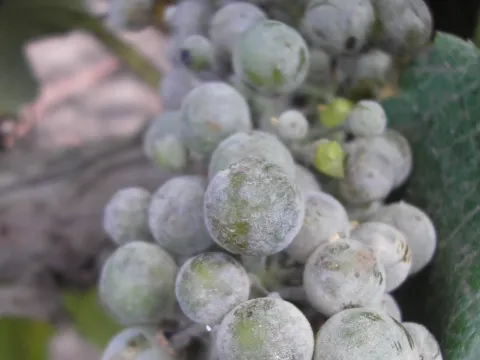
The primary symptom of an Uncinulella infection is the formation of a white or grayish-white powdery mycelial mat on leaves, shoots, and petioles, which resembles a dusting of flour.
In the early stages, the infection appears as small, isolated spots. As the mycelium grows and matures, these spots coalesce, eventually covering large portions of the leaf surface.
As the fungus reproduces, tiny dark dots appear within the white mycelial growth. These are the developing cleistothecia, which signify the sexual stage of the pathogen and are essential for its long-term survival.
Infected plant parts often exhibit significant deformation, such as leaf curling, chlorosis (yellowing), and premature senescence, leading to early leaf drop in many host species.
Severe infestations can stunt the growth of young shoots, making them brittle and causing dieback, which disrupts the normal physiological functions of the plant.
The development of the disease is most rapid under conditions of high relative humidity, particularly when frequent dew or light rainfall provides the surface moisture required for spore germination.
Moderate temperatures, generally between 18 and 25 degrees Celsius, provide the optimal environment for the rapid colonization of host tissues and the subsequent production of conidia.
Dense plant spacing and poor air circulation within the canopy create stagnant microclimates, which significantly increase the risk of infection and facilitate the rapid spread of the fungus.
Excessive nitrogen fertilization promotes the growth of succulent, tender vegetative tissue, which is significantly more susceptible to penetration by fungal hyphae compared to hardened, mature tissue.
Fluctuating temperatures between day and night that lead to morning dew formation are major drivers of epidemic outbreaks, as these conditions favor both spore release and successful colonization.
The primary damage caused by Uncinulella is the systematic depletion of the host plant's nutrient reserves, which weakens the plant and reduces its overall resistance to environmental stressors.
Interference with photosynthesis, caused by the masking effect of the mycelial layer on the leaves, leads to decreased biomass production and reduced sugar storage for the following season.
Plants weakened by long-term fungal colonization are significantly more prone to secondary infections by other pathogens and are less capable of surviving harsh winter conditions.
In nursery environments, the fungus can cause substantial economic losses by reducing the quality of ornamental and timber species, making them unsuitable for commercial sale.
Persistent infestations often result in the long-term decline of trees and shrubs, manifesting in reduced growth increments, crown thinning, and eventually the death of sensitive specimens.
Effective management begins with strict sanitation, specifically the removal and destruction of fallen leaves and infected plant debris, which serves as the primary reservoir for overwintering spores.
Cultural practices, such as proper pruning for improved air circulation and the maintenance of appropriate plant spacing, are essential for creating an environment unfavorable to the fungus.
The application of sulfur-based fungicides has proven to be an effective strategy for preventing and controlling powdery mildew infections on a wide range of host plants.
Systemic fungicides, particularly those from the triazole class, are highly effective when applied during the early stages of the disease, as they can inhibit mycelial growth within the host tissues.
- Monitor plantings regularly for early signs of white mycelium.
- Prune and dispose of severely affected shoots immediately.
- Maintain balanced soil fertility to prevent excessive succulent growth.