
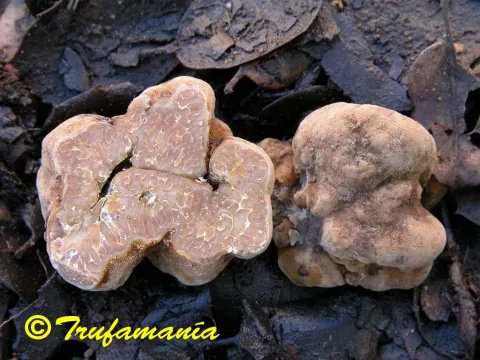
Tuber excavatum
Tuber excavatum
Tuber excavatum is a species of fungus in the Tuberaceae family. While often studied in the context of mycology, in an agronomic setting, it acts as a competitor or pathogen that interferes with the mycorrhizal balance of young trees and nursery crops.
What the section contains
Tuber excavatum
The fungus is an obligate mycorrhizal symbiont that can negatively affect the host plant by monopolizing the nutrient uptake system. It forms structures within the roots that deplete the plant's energy reserves.
The disease mechanism involves the displacement of beneficial mycorrhizal fungi, which are essential for the health and robust growth of forest species and woody ornamental plants.
As a soil-borne pathogen, it resides in the rhizosphere, making it difficult to detect in the early stages of infection. It effectively competes with the root system for vital resources.
Taxonomically, it is distinct from common agricultural pests but shares characteristics with other soil-borne diseases that can persist in the environment for years.
The fungus thrives in well-aerated, calcareous soils with a pH level often exceeding neutral. Moderate soil moisture is crucial for the proliferation of its mycelium.
Spread occurs primarily through spores moving with water runoff or via the transportation of contaminated nursery stock. The development is most rapid during warm seasons.
Temperature range between 18°C and 25°C provides ideal conditions for the colonization of root systems by Tuber excavatum.
Monoculture cultivation, especially in greenhouse or nursery environments, significantly increases the likelihood of an outbreak due to the lack of microbial competition.
Disturbed soil structure or excessive compaction can also alter the fungal dynamics, often giving this species an advantage over beneficial soil microbes.
The primary harm is the stunting of tree growth caused by the disruption of nutrient and water transport. Infected plants show reduced vigor and overall poor health.
Plants affected by this fungus become significantly more susceptible to abiotic stress, including drought, salinity, and temperature fluctuations.
Economic losses arise from the rejection of seedlings in nurseries and the costs associated with soil remediation and replacement of plant material.
Weakened root systems often lead to secondary infections by other pathogens, further exacerbating the decline of the plant host.
Chronic infestation makes the soil unsuitable for high-quality production, necessitating long fallow periods or intensive treatment before reuse.
The primary control measure is strict phytosanitary inspection of all incoming nursery stock to prevent the introduction of the fungus into clean plots.
Applying beneficial soil inoculants containing antagonistic bacteria can help suppress the growth and spread of Tuber excavatum in the rhizosphere.
Implementing crop rotation, where non-susceptible species are used, helps to break the life cycle of the fungus and restore soil health.
Careful management of soil pH and nutrient levels can discourage the establishment of this fungus without harming the growth of the desired crop.
- Rigorous testing of soil samples before planting.
- Heat treatment or steam sterilization of soil in greenhouse pots.
- Selective removal of stunted or symptomatic trees to prevent spread.