
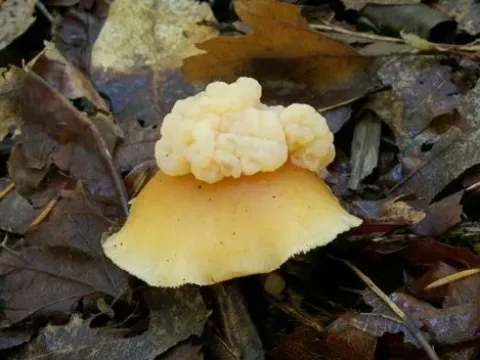
Syzygospora
Syzygospora
Syzygospora is a genus of fungi belonging to the Tremellomycetes class. These organisms are primarily known as mycoparasites, meaning they live on other fungi, often interacting with the mycelium or fruiting bodies of host fungal species.
What the section contains
Syzygospora
The biology of Syzygospora involves the use of specialized structures called haustoria, which penetrate the host's cells to absorb nutrients. This makes them highly effective in suppressing the growth of their fungal hosts in various environments.
The lifecycle consists of basidia formation and spore dissemination, which allows the fungus to spread through the air to colonize new host populations across fields and gardens. This rapid dispersal is a key characteristic of its biological success.
Scientific interest in this genus stems from its potential role in biological control programs. By targeting specific harmful fungi, Syzygospora acts as a natural regulator in many complex ecosystem interactions.
Under microscopic observation, these fungi often appear as whitish or colorless mycelial growths covering the host. Their structural complexity reflects an evolutionary adaptation to a parasitic lifestyle on other fungal entities.
The development of Syzygospora is heavily dependent on moisture levels in the agro-ecosystem. High relative humidity and moderate temperatures are the most favorable conditions for spore germination and mycelial spread.
Dense plant canopies or indoor growing environments with poor ventilation provide an ideal microclimate. In these settings, moisture persists on leaf and stem surfaces, allowing the fungus to establish itself quickly.
While temperature ranges vary, these fungi are most active during spring and autumn, when humidity is high and temperatures are not extreme. Dry, hot weather typically slows down their development significantly.
Spore dispersal occurs passively, facilitated by wind, rain, and insects. Water droplets act as a carrier, enabling the pathogen to move from an infected host to a healthy one during rainy periods or heavy dew.
Agricultural practices that promote good air circulation, such as proper spacing and weeding, are essential for preventing the pathogen from finding the stagnant, moist conditions it needs to thrive.
The harm caused by Syzygospora is primarily linked to its impact on the plant host through secondary interactions. While it is a mycoparasite, its presence can lead to metabolic stress in the infected plant.
Symptoms of infection include discolored spots, tissue decay, or deformities on the affected plant parts. These visual signs often decrease the market value of horticultural crops, making them unsuitable for commercial sale.
The pathogen interferes with the plant's physiological functions, particularly photosynthesis in the affected areas. This reduction in efficiency leads to weaker plants and decreased yields during the growing season.
In cases of heavy infection, the structural integrity of fruits, leaves, and stems may be compromised, causing premature wilting. This makes the plants more susceptible to secondary bacterial and fungal pathogens.
Recognizing the disease is difficult because it often masks or complicates the symptoms of the primary fungal infection. This complexity can hinder accurate diagnosis and delay the implementation of appropriate control measures.
Effective management begins with cultural practices aimed at reducing humidity. Proper pruning, thinning, and weed management ensure better light penetration and airflow through the canopy.
Sanitation is a critical control measure. Infected plant material should be carefully removed and destroyed to prevent the buildup of spores that could survive through the next season.
Chemical control involving broad-spectrum fungicides may be necessary in severe cases. However, professionals should emphasize integrated pest management to avoid the development of resistance in the fungal community.
Maintaining balanced soil nutrition strengthens plant immunity, making them more resilient to fungal attacks. Additionally, rotating crops disrupts the cycle of the primary pathogens that Syzygospora depends on.
- Ensure proper irrigation management (avoid overhead watering).
- Disinfect pruning tools between plants.
- Monitor crops regularly for early symptoms.