
Splanchnonema argus
Splanchnonema argus
Splanchnonema argus primarily manifests on the bark and branches of deciduous trees. The most prominent visual sign is the emergence of raised bark areas, which eventually crack or peel away from the wood.
What the section contains
Splanchnonema argus
Necrosis of the cambium and underlying tissues is observed at the sites of infection. Small black fruiting bodies of the fungus, shaped like flat bumps, appear on the bark surface and are often surrounded by discolored areas.
The disease leads to the progressive dieback of branches, often indicated by premature leaf senescence or wilting in the crown. Affected areas quickly become entry points for secondary pathogens and wood-boring insects.
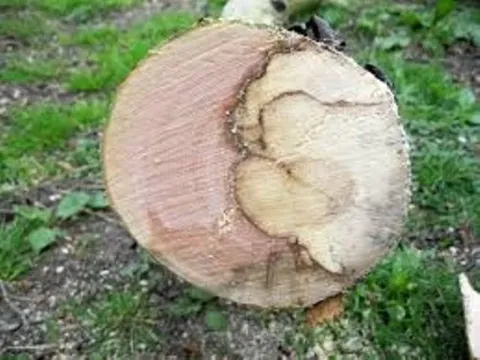
Upon closer inspection, fungal mycelium can be found beneath the bark, actively degrading the phloem and sapwood. This destroys the conductive tissues, causing the tree to decline as nutrient and water transport are disrupted.
In advanced stages, the bark peels off in large flakes, revealing deep longitudinal cracks in the stem. The tree loses its vitality, growth rates drop significantly, and the crown displays signs of severe thinning.
The causative agent is the ascomycete fungus Splanchnonema argus, which acts as a necrotrophic pathogen. It tends to target weakened or stressed woody plants in both forests and managed landscapes.
The fungus has a dual life strategy, often existing as a saprotroph on deadwood before transitioning to an aggressive parasitic phase when host defenses are lowered by environmental stress.
Dissemination occurs via spores released into the environment, typically triggered by moisture. These spores are dispersed by wind, rain splashes, or insects, landing on vulnerable bark fissures.
The fungus produces potent enzymes capable of breaking down complex plant polymers like lignin and cellulose. This makes it an efficient destroyer of tree structural integrity.
The life cycle concludes with the production of ascospores within specialized fruiting bodies. These spores are highly resistant to adverse environmental conditions, ensuring the survival of the fungus through difficult seasons.
High humidity and moderate temperatures are the primary drivers of disease spread. Rainfall is a critical factor, as it facilitates the transport of spores into the natural openings or wounds of the bark.
Physical injuries, such as frost cracks, sunscald, or mechanical wounds from lawn equipment, significantly increase susceptibility. Any breach in the bark provides the fungus with an ideal point of entry.
Overcrowded plantings with poor air circulation create a microclimate that prevents bark from drying out. This sustained moisture allows fungal spores to germinate and colonize the host tissues more effectively.
Trees suffering from drought, nutrient deficiencies, or soil compaction are prime targets for Splanchnonema argus. A weakened immune system prevents the tree from successfully walling off infection sites.
While the pathogen is active throughout the year, the most significant spread typically occurs during the spring and summer months. However, if environmental conditions are favorable, colonization continues unabated.
The harm caused by Splanchnonema argus includes a drastic loss of aesthetic value and long-term health of trees. Valuable deciduous species may be killed outright or lose significant canopy cover.
The infection severely degrades the quality of the timber, rendering it brittle and structurally unsound. This increases the risk of limb failure, posing a danger to surrounding property and people.
Metabolic disruption prevents the tree from storing energy, leading to decreased biomass production and stunted growth. This impact is particularly devastating for young saplings that are still establishing.
Management and removal of infected trees represent significant economic costs for park services and property owners. The loss of shade or screening foliage necessitates expensive replanting efforts.
On a broader scale, the pathogen affects the biodiversity of forest ecosystems. When host populations are decimated, it alters the habitat for various dependent wildlife and plant species.
Sanitation is the most effective management strategy. All dead or visibly infected branches must be pruned promptly and destroyed by burning to reduce the local spore load in the environment.
Preventive fungicide sprays, particularly those based on copper compounds, should be applied during the early spring or autumn. This helps shield the bark from colonization by air-borne spores.
Promoting tree vigor through proper irrigation and balanced fertilization is essential. Healthy, well-nourished trees possess superior natural defenses that can help resist infection by the pathogen.
Minimizing mechanical wounds to trunks is vital. Always sanitize pruning equipment with alcohol between cuts to prevent spreading the fungus, and seal major pruning wounds with appropriate antiseptic pastes.
For identified infections, systemic fungicides may be used to suppress mycelial growth. A holistic approach, combining rigorous sanitation, good arboricultural practices, and targeted chemical intervention, is best.