
Sporendonema
Sporendonema
Description
Symptoms
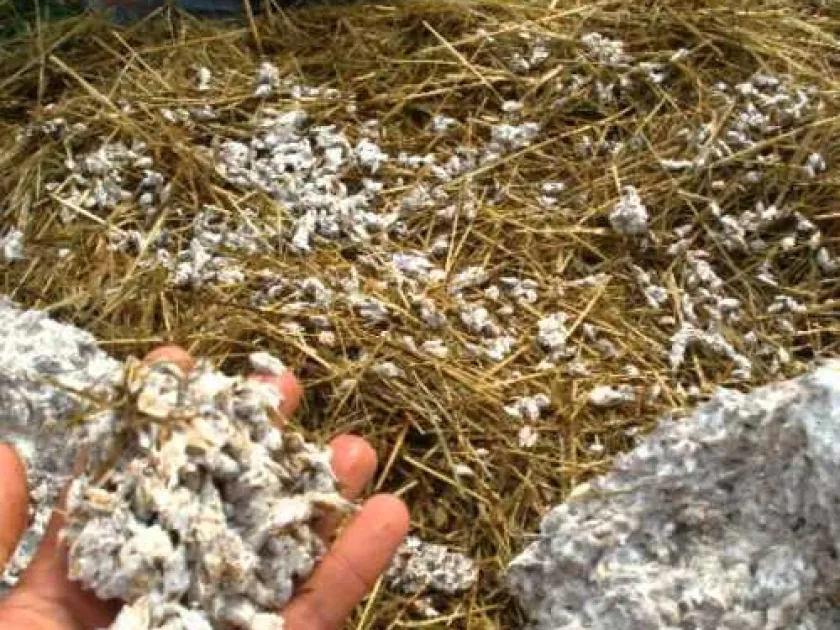
The primary symptom of Sporendonema infection is the appearance of distinct fungal growth on plant surfaces. This often manifests as colored patches consisting of dense fungal mats.
Affected tissues undergo discoloration and loss of turgor. If the infection persists, it causes localized necrosis, leading to wilting of the leaves and premature shedding of fruits or blossoms.
On fruits, the fungus often appears as a fuzzy coating that eventually hardens or causes rot. This changes the texture of the fruit and introduces an unpleasant odor, making it unmarketable.
Plants infected with the fungus exhibit stunted growth. As the disease progresses, the destruction of epidermal tissue impairs the plant's ability to perform photosynthesis effectively.
Closer observation reveals the presence of spore-bearing structures. These structures are often visible as grainy or dusty spots covering the stems, leaves, or fruit surfaces in dense clusters.
Pathogen
The disease is caused by the fungus Sporendonema. While primarily a saprotroph living on organic matter, it can act as a pathogen under favorable conditions, attacking weakened plant tissues.
The fungus reproduces via conidia, which are easily dispersed by wind and water droplets. This rapid spread allows the infection to cover large areas of a field or garden within a short period.
The pathogen thrives in moist environments, where it penetrates the epidermis of the host plant. It often utilizes pre-existing damage, such as insect bites or mechanical injuries, to enter plant tissues.
It belongs to the group of imperfect fungi. The biological cycle is closely tied to debris, which serves as a primary reservoir for the survival of the fungus through adverse seasons.
Diagnostic identification typically involves microscopic analysis of the conidiophores and spores, as the external symptoms can mimic other common molds found in humid agricultural environments.
Conditions for development
High humidity is the most critical factor for the development of Sporendonema. Prolonged rainfall, fog, or excessive irrigation creates the perfect microclimate for fungal spore germination.
The fungus prefers moderate temperatures, which accelerate the growth rate of the mycelium. Fluctuations in temperature that result in dew formation significantly increase the risk of new outbreaks.
Poor ventilation in densely planted areas or greenhouses traps moisture. This stagnant air environment allows the fungus to proliferate rapidly on susceptible plant hosts.
Improper fertilization, particularly excessive nitrogen, makes plants more susceptible. Rapid growth with thin cell walls provides easier access for the fungus to penetrate the plant tissues.
Lack of sanitation, such as leaving harvest residues in the field, creates a persistent source of inoculum. These residues serve as a base for the fungus to overwinter and spread.
Why it matters
The primary economic impact is the loss of harvest quality. Infected produce is prone to post-harvest decay, rendering it unsuitable for long-term storage or consumer sale.
Severe infections weaken the plant's overall vitality. This makes the crop more vulnerable to environmental stresses, such as drought or frost, leading to lower yields over the season.
Direct costs associated with Sporendonema include the purchase of fungicides and the labor required for frequent field monitoring and application of control measures.
Fungal metabolites may accumulate in plant tissues, potentially affecting the safety and quality of the produce. This limits the commercial use of the affected harvest.
If not managed, the disease can spread rapidly throughout a greenhouse or field, leading to significant financial losses for producers and requiring aggressive containment efforts.
Protection
Effective management begins with strict sanitation practices. Removing all infected plant debris from the site is essential to minimize the primary inoculum and prevent new infections.
Improving air circulation through proper spacing and pruning is a vital preventative measure. Reduced humidity around the plants significantly hinders the development of fungal spores.
Chemical fungicides are an effective tool for controlling the disease. Rotation of different chemical groups is recommended to prevent the development of resistant fungal populations.
Biological control agents, including beneficial bacteria and fungi, can be applied to create a protective barrier on the plant surface, naturally suppressing the growth of the pathogen.
Monitoring for early detection allows for timely interventions. By addressing the infection at the first sign of symptoms, producers can prevent the disease from reaching an epidemic stage.
Discussion
No discussions yet — be the first.