
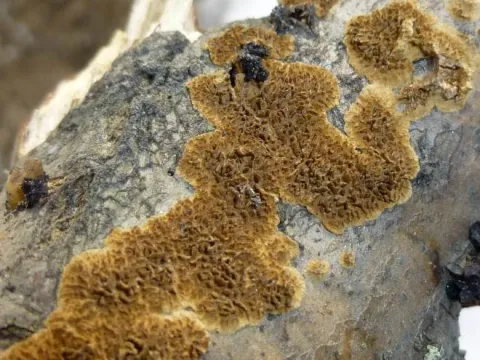
Splanchnonema canker
Splanchnonema
Splanchnonema canker is caused by ascomycetous fungi of the genus Splanchnonema. These pathogens act as necrotrophic parasites that target the bark and cambial tissues of various deciduous tree species.
What the section contains
Splanchnonema canker
The fungus colonizes the tree's outer and inner bark, feeding on cellular nutrients and breaking down protective barriers. This activity leads to localized tissue death and the formation of characteristic cankers on the stems or branches.
Reproduction occurs through the release of ascospores from fruiting bodies (pseudothecia) that burst through the host's bark. These spores are primarily wind-dispersed, allowing the pathogen to spread across plantation areas during wet conditions.
The fungus is highly resilient, capable of persisting in dead wood or dormant bark for extended periods. It exploits stress factors in the host to transition from a latent state to an aggressive colonizer.
By producing enzymes that degrade cell walls, the pathogen facilitates its deep penetration into the phloem and xylem, severely restricting the movement of water and nutrients.
The primary symptom is the appearance of distinct lesions or cankers on the bark. These areas often appear sunken, discolored, and eventually crack as the host attempts to form a callus barrier.
Numerous small, pimple-like fruiting bodies appear on the surface of the infected bark. These structures give the affected bark a rough, sandpaper-like texture, which is a diagnostic feature of the disease.
Crown symptoms include foliage yellowing, wilting, and premature leaf drop. These manifestations occur because the vascular damage at the site of the canker prevents proper nutrient translocation to the upper canopy.
In advanced stages, branch dieback becomes prevalent. The lack of water flow results in the desiccation of the affected limbs, often leading to the formation of extensive dead zones on the tree trunk.
Underneath the infected bark, the tissue often appears necrotic or discolored brown. In some cases, there may be exudates or a dry, cracked appearance that signals the internal destruction of the cambium.
High humidity and prolonged periods of wet weather are the most critical factors for the infection and colonization of Splanchnonema. These conditions promote both spore germination and fungal growth.
Trees subjected to environmental stress, such as drought, nutrient deficiency, or overcrowding, are significantly more susceptible to the pathogen. Weakened defense systems make it easier for the fungus to invade.
Mechanical injuries serve as the primary entry points for the pathogen. Storm damage, pruning wounds, or bark abrasions caused by maintenance equipment provide direct access to the nutrient-rich inner tissues.
Poor aeration in dense plantings contributes to the buildup of moisture on trunks, creating an ideal microclimate for the pathogen to thrive and spread to neighboring trees.
The disease is most commonly observed following wet autumns or mild springs, as these periods allow for the maximum production and dispersal of fungal spores.
The major impact of Splanchnonema canker is the destruction of vascular tissues, which leads to reduced tree vigor and potential mortality. The restriction of sap flow causes the tree to slowly starve.
Infected trees become highly prone to secondary infestations by bark beetles and other wood-boring insects. These pests often accelerate the death of the tree after the fungus has compromised its health.
The disease causes significant aesthetic damage, making the trees unsuitable for landscaping or park use. Persistent infections lead to the loss of large branches, altering the tree's architecture.
In commercial forestry, the presence of these cankers lowers the timber value due to internal discoloration and structural defects in the trunk.
The cumulative damage requires costly management efforts, including the pruning of infected branches or the complete removal of severely diseased trees to protect the remaining stand.
The most effective management practice is strict sanitation, which involves pruning and disposing of infected branches. All tools used during pruning must be sterilized to prevent spreading spores.
Maintaining high tree vigor through proper irrigation and fertilization is essential. Strong, healthy trees are better equipped to produce chemical defenses that slow or halt fungal progression.
Protecting the bark from mechanical damage is a key preventive measure. Utilizing protective trunk wraps or avoiding equipment damage around the base of the tree is highly recommended.
Preventive fungicidal treatments, particularly those containing copper, can be applied to young or high-value trees during the dormant season to create a protective barrier against infection.
- Regular inspection of bark for sunken lesions.
- Proper disposal of infected wood by burning or deep burial.
- Ensuring adequate tree spacing to facilitate airflow.