
Sporidesmium atrum
Sporidesmium atrum
Description
Symptoms
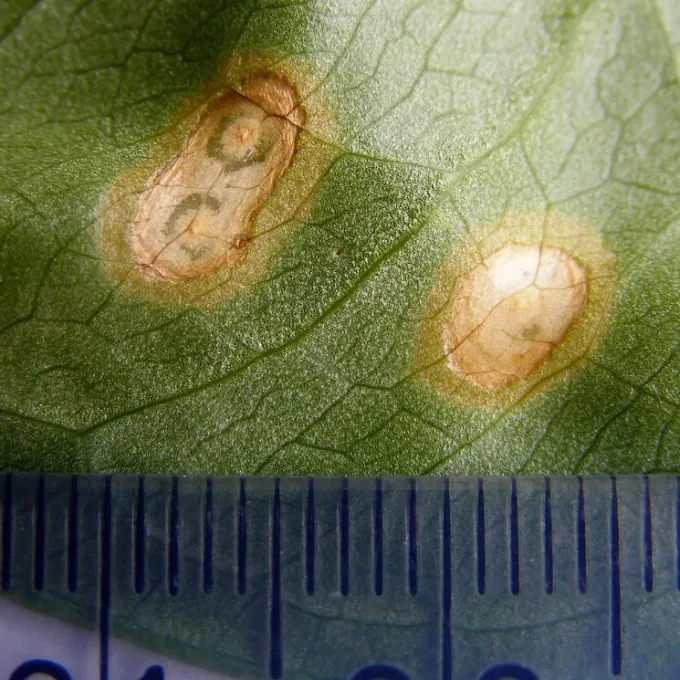
The most evident symptom of Sporidesmium atrum infection is the appearance of dark, velvety, or sooty patches on leaves, stems, or fruit surfaces.
Infected areas often exhibit signs of localized necrosis, turning dark grey or black as the fungus proceeds with its extensive sporulation on the tissue.
Symptoms are frequently associated with tissues that have already suffered stress or injury, such as sunburn, mechanical damage, or primary disease lesions.
The lesions tend to enlarge over time, leading to the collapse of the plant surface and a rapid decay of the underlying cells.
- Velvety dark-colored fungal growth.
- Necrotic spots on leaves and stems.
- Premature decay of plant tissues.
- Soiled appearance of produce.
Pathogen
The disease is caused by the fungus Sporidesmium atrum, a hyphomycete that typically functions as a saprophyte or a facultative parasite.
This organism produces characteristic dark-colored conidiophores and multicellular conidia, which act as the primary structures for survival and dispersal.
The fungus is widely distributed in nature and is capable of thriving on various organic substrates, making it a common inhabitant of agricultural soils.
Its biological cycle is strongly linked to the presence of decaying plant matter, where it functions as a decomposer when conditions are not favorable for parasitism.
Molecular studies and microscopic identification confirm that S. atrum is often involved in secondary infection complexes on weakened host tissues.
Conditions for development
The development of Sporidesmium atrum is favored by high relative humidity and temperatures ranging from 18°C to 25°C.
Optimal conditions for infection are often met during periods of frequent rainfall or heavy dew, which sustain the moisture levels required for spore germination.
Poor field management, including high plant density and inadequate aeration, significantly increases the likelihood of fungal colonization.
Crop stress caused by nutritional deficiencies or pest infestation creates perfect conditions for the pathogen to establish itself on the weakened host.
Large amounts of plant debris left on the field surface provide a constant reservoir for the fungus to persist and spread to new crops.
Why it matters
The main danger posed by Sporidesmium atrum is the accelerated decay of plant tissues, which can lead to significant yield losses in commercial crops.
Post-harvest infection of fruit and vegetables can ruin the appearance and quality, resulting in increased waste and lower market value.
By causing premature foliage death, the fungus reduces the plant's photosynthetic capacity, thereby stunting overall growth and productivity.
Although typically a secondary pathogen, its presence forces growers to invest more in protective measures and intensive field management.
Infected crops are also more susceptible to further damage from other pests and pathogens due to the weakened physical barrier of the host tissue.
Protection
Effective control starts with proper field sanitation, including the removal or deep incorporation of crop residues into the soil to reduce inoculum.
Maintaining adequate spacing between plants ensures better air circulation and reduces the micro-humidity levels that promote fungal development.
Balanced fertilization and good irrigation practices help keep plants robust, reducing the chance of them becoming susceptible to this fungus.
In cases of high pressure, the strategic application of fungicides can limit the spread and protect high-value crops during peak development windows.
Integrated Pest Management (IPM) practices, such as controlling primary insects, are crucial to prevent the initial damage that allows S. atrum to infect.
Discussion
No discussions yet — be the first.