
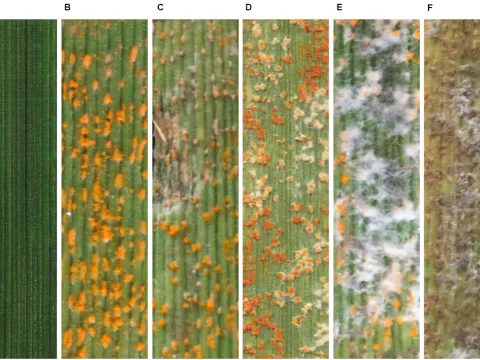
Simplicillium obclavatum
Simplicillium obclavatum
Simplicillium obclavatum is a microscopic fungus classified within the family Cordycipitaceae. Although it is historically known for its entomopathogenic properties, recent data indicates its role as a potential phytopathogen capable of invading plant tissues.
What the section contains
Simplicillium obclavatum
The fungus produces a complex mycelial structure that colonizes plant surfaces and intercellular spaces. Its conidiophores typically display a verticillate branching pattern, which is crucial for the efficient dissemination of spores under humid conditions.
The pathogen utilizes a sophisticated suite of enzymes to break down plant cell walls, allowing it to extract nutrients and spread throughout the host tissue. This activity is often accompanied by the secretion of metabolites that cause cellular necrosis.
As a resilient organism, it can persist in plant debris and soil for extended periods. This ability makes it a challenging pathogen to manage, as it can survive adverse environmental conditions in a dormant state.
Ongoing research continues to clarify the specific mechanisms by which Simplicillium obclavatum overcomes plant defenses, highlighting the need for vigilance in crop monitoring and pathogen identification.
Initial symptoms are characterized by the appearance of chlorotic lesions that gradually transform into necrotic spots. Affected areas often develop a soft, water-soaked texture, indicating rapid cellular breakdown.
Under conditions of high humidity, a white or creamy-yellow mycelial mat becomes visible on the surface of leaves and stems. This represents the sporulation stage of the fungus, confirming the active disease cycle.
Stem infections typically manifest as girdling lesions, which restrict the transport of water and nutrients, resulting in the wilting of the upper foliage and overall decline of the plant architecture.
In cases of severe infection, root systems may become compromised, showing signs of browning and rot. This can lead to the sudden collapse of the entire plant, especially in high-density cultivation areas.
Overall, affected plants show stunted growth, leaf discoloration, and premature senescence, significantly reducing their vitality and potential for fruit or flower production.
High relative humidity, typically exceeding 80%, is the most critical factor for the proliferation and infection cycle of Simplicillium obclavatum. Such conditions facilitate the rapid germination of conidia on leaf surfaces.
The optimal temperature range for the development of this pathogen is between 20°C and 25°C. These temperatures coincide with the typical growth phases of many greenhouse crops, increasing the risk of infection.
Poor ventilation and air circulation in enclosed growing facilities lead to localized areas of high humidity and temperature, creating favorable microclimates for the fungus to establish and spread.
Wounds caused by handling, mechanical damage, or insect pests serve as primary entry points for the pathogen. Once introduced, the fungus can colonize the plant quickly, especially if the plant's immunity is already compromised.
Unsanitized tools, contaminated irrigation water, and the lack of proper crop rotation practices are primary factors contributing to the persistence and recurrence of the pathogen in agricultural settings.
The economic impact of Simplicillium obclavatum is substantial, as it leads to diminished crop yields and loss of product quality. Plants affected by the fungus often fail to meet market standards for appearance and health.
Severe infestations can result in the total loss of seedlings, forcing costly replanting and disrupting production schedules. This is particularly problematic for nurseries and high-value indoor crops.
Furthermore, the presence of the pathogen on harvested goods can accelerate post-harvest decay, reducing shelf life and profitability. Toxins produced by the fungus may also raise food safety concerns.
Managing this disease requires significant labor and financial investment, including the use of fungicides and the removal of infected material, which adds to the overhead costs of agricultural production.
Left unchecked, the fungus can become a chronic presence, making it difficult to maintain healthy crops without intensive intervention and rigorous sanitation protocols.
Effective management begins with maintaining optimal environmental conditions, focusing on humidity control through proper ventilation and air circulation. Reducing stagnant air is vital for limiting fungal spread.
Strict sanitation protocols are essential; this includes the immediate removal and destruction of diseased plant tissues and the regular disinfection of all tools, containers, and surfaces within the growing area.
Chemical control involves the application of appropriate fungicides targeting hyphomycetes. It is recommended to rotate products with different modes of action to prevent the development of resistance in the pathogen population.
Biocontrol agents, such as beneficial fungi like Trichoderma species, can be used to suppress pathogen growth. These biological tools offer an environmentally friendly alternative and can enhance the plant's natural defense mechanisms.
Promoting overall plant vigor through balanced nutrition, particularly with adequate supplies of silicon and calcium, helps strengthen cell walls and improves the plant's resistance to fungal penetration.