
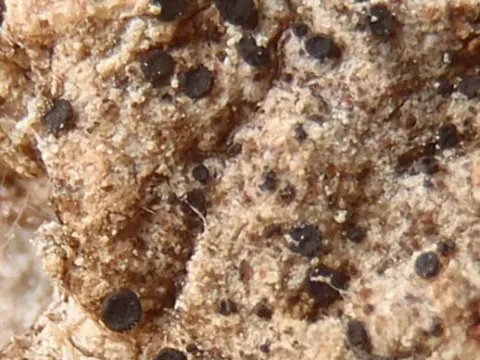
Sarea difformis
Sarea difformis
The causative agent of this disease is the micromycete Sarea difformis. This fungus belongs to the ascomycete group and is known for its specialized ability to infect the woody tissues of various trees, leading to significant morphological changes.
What the section contains
Sarea difformis
The pathogen functions as a parasite, infiltrating the bark and cambial layers of the host plant. Once established, the mycelium spreads through the plant's vascular system, disrupting the normal flow of nutrients and water.
The life cycle of Sarea difformis is closely correlated with environmental moisture levels. The fungus produces spores that can persist in plant debris or bark crevices, waiting for optimal conditions to germinate and colonize new tissues.
A key biological characteristic of this fungus is its ability to trigger pathological cell growth in the host. This results in the formation of tumor-like structures and abnormal swellings that characterize the physical manifestation of the infection.
Due to its ability to reside deep within the wood, Sarea difformis is often difficult to eradicate. Laboratory identification is frequently required, as visual symptoms may mimic those caused by other wood-decaying fungi.
The primary symptom of the infection is the development of characteristic deformities on the bark and twigs. In the affected areas, the bark often cracks and raises, forming distinct galls or tumor-like growths.
Leaves on infected branches often exhibit chlorosis (yellowing), wilting, and premature abscission. This occurs because the infection restricts the supply of water and essential minerals from the roots to the upper parts of the tree.
Small black or dark brown fruiting bodies of the fungus may appear on the surface of the affected bark. These are often grouped together and serve as the source of new spores for further spread throughout the tree or orchard.
Dieback of branches or tree tops is a common progression of the disease. If the infection circles the main trunk, it can lead to the death of the entire tree by cutting off the vital connection between the root system and the canopy.
When infected wood is cut, internal necrosis is often visible. The affected tissues typically change color to a darker, brownish hue, and the wood may become brittle or display signs of soft rot.
High humidity and consistent moisture are the most critical factors for the development of Sarea difformis. Excessive rainfall provides the necessary environment for spores to germinate and infect healthy bark surfaces.
Mechanical injuries act as entry points for the pathogen. Damage caused by winter frosts (frost cracks), sunscald, or improper pruning allows the fungus to bypass the tree's natural physical barriers and gain access to the interior wood.
Poor aeration within the tree canopy, often caused by overly dense planting or lack of pruning, creates stagnant air conditions. This prevents the bark from drying out quickly after rain, which encourages fungal colonization.
Host vigor also plays a role in the susceptibility of the tree. Plants that are nutritionally stressed or weakened by excessive crop loads are less capable of defending themselves against the initial infection attempts.
Temperature fluctuations are significant as well. Mild to warm temperatures combined with humidity create an optimal incubation environment, allowing the fungus to progress rapidly throughout the growing season.
The main impact of Sarea difformis is the severe reduction in tree productivity. Infected trees lose their ability to produce quality fruit, and in many cases, the fruit yield drops to near zero as the tree declines.
The disease poses a long-term threat to the survival of the tree. As the infection progresses, it compromises the structural integrity of the wood, potentially leading to the death of limbs or the entire tree over several years.
There is also an economic risk related to the spread of the disease. An infected tree acts as a source of spores that can easily be transmitted to neighboring healthy trees via wind or rain, jeopardizing an entire orchard.
The tree's resilience to other diseases and environmental stressors is significantly lowered. An infection by this fungus makes the host more susceptible to secondary pests and various other opportunistic pathogens.
Restoration of an infected orchard requires significant labor and financial resources. In severe cases, removing and destroying the affected trees is the only way to prevent the disease from spreading to the rest of the planting.
The most important control strategy is early detection and rigorous sanitary pruning. All infected branches must be cut away, ideally including a margin of healthy tissue, and the tools must be sterilized after each cut.
Protecting the bark from environmental damage is essential. Applying lime washes to trunks and sealing pruning wounds with copper-based pastes helps prevent the colonization of the wood by fungal spores.
Preventative fungicide applications during the dormant season and at specific stages of plant development can help manage spore loads. Copper-based products are widely used for this purpose.
- Regular monitoring of bark condition across the orchard.
- Removing and burning infected plant debris to eliminate wintering spores.
- Maintaining proper orchard spacing for better air circulation.
- Balanced fertilization to promote tree health and bark resilience.
If the infection has become systemic or too widespread, total removal of the affected trees is necessary. This extreme measure is required to safeguard the remaining trees and stop the cycle of infection in the area.