
Sareomycetes
Sareomycetes
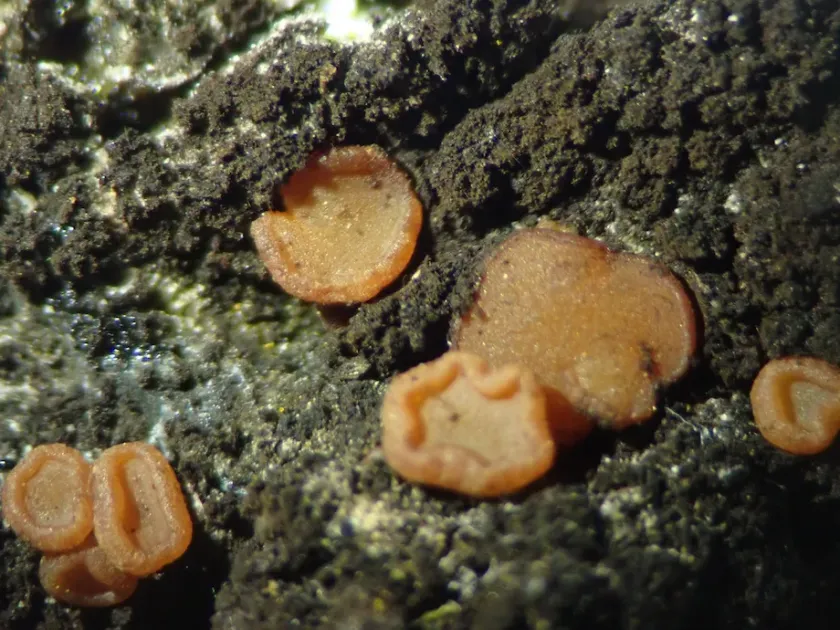
Description
Symptoms
Initial infection symptoms manifest as chlorotic spots on the leaf surface, which gradually develop into necrotic areas of varying shapes and sizes.
Common signs include general growth retardation, shoot deformation, and premature leaf drop, indicating a significant disruption of the plant's photosynthetic activity.
Under high humidity conditions, a sparse fungal mycelium may appear on the affected plant parts, representing the pathogen's active sporulation phase.
Discoloration of the vascular bundles is frequently observed, serving as a clear indicator of systemic mycelial penetration within the stem or root system.
Visual signs of the disease are often easily confused with nutrient deficiency symptoms, necessitating microscopic analysis for accurate diagnosis.
Pathogen
Sareomycetes is a class of Ascomycete fungi identified through advanced molecular phylogenetic analysis. These organisms often exist as endophytes or latent pathogens within the tissues of host plants.
The pathogen belongs to the subphylum Pezizomycotina. These are highly specialized micromycetes capable of integrating into the host's metabolic processes for nutrient acquisition.
The disease type caused by these fungi is classified as a mycosis, presenting either as localized tissue damage or systemic infection depending on the host's susceptibility.
The fungus invades plant tissues through natural openings like stomata or physical wounds, which facilitates the colonization of the intercellular space.
The genetic plasticity of the pathogen provides it with high adaptability to various environmental conditions, making traditional field identification difficult without lab testing.
Conditions for development
High relative humidity, exceeding 75-80%, is the primary factor favoring infection, as it provides optimal moisture for spore germination and colonization.
The temperature optimum for mycelial development ranges from +18 to +25 degrees Celsius, aligning with the active growth period of many agricultural crops.
The presence of free water (dew or rain) on leaf surfaces for prolonged periods significantly increases infection probability and the rate of disease spread.
Overcrowded crop stands with poor air circulation create a microclimate that drastically elevates the risk of widespread pathogen outbreaks.
Plants stressed by inadequate nutrition or unfavorable weather conditions exhibit reduced immunity, making them more susceptible to Sareomycetes attacks.
Why it matters
The damage caused by Sareomycetes involves a substantial reduction in photosynthetic leaf area, leading to a significant decrease in crop growth energy and biomass.
The pathogen can trigger premature wilting and tissue senescence, resulting in substantial yield losses and degradation of product marketability.
Infection of generative organs reduces seed productivity, lowers germination energy, and compromises the overall quality of planting material.
Compromised plant tissues become highly vulnerable to secondary opportunistic infections, such as bacterial rots, which can devastate entire fields.
Economic losses encompass both direct yield reductions and the increased operational costs associated with intensive chemical protection measures.
Protection
Implementing a proper crop rotation strategy is the most effective way to prevent the accumulation of fungal inoculum in the soil over time.
Thorough management and destruction of post-harvest crop residues are essential, as the fungus often overwinters in plant debris.
The use of resistant or tolerant cultivars and hybrids is the most sustainable approach to limiting the pathogen's spread across large agricultural areas.
Preventive application of broad-spectrum fungicides according to regulatory guidelines can effectively contain infection development during early stages.
- Maintaining optimal plant density to ensure sufficient air circulation.
- Balancing mineral fertilization to avoid nitrogen excess.
- Ensuring high-quality seed treatment before sowing.
Discussion
No discussions yet — be the first.