
Rhynchogastremataceae
Rhynchogastremataceae
Rhynchogastremataceae is a family of fungi belonging to the order Rhytismatales. In the field of phytopathology, these microorganisms function as either obligate or facultative parasites that target the tissues of higher plants.
What the section contains
Rhynchogastremataceae
The disease is caused by the fungus mycelium, which invades the epidermis and parenchyma of leaves or stems. The pathogen's life cycle is closely linked to seasonal variations and the availability of nutrient substrates within plant debris.
The biological specialization of this family allows it to infect a wide range of woody species and shrubs. The conidial stage of the fungus plays a critical role in its spread, ensuring active reproduction throughout the growing season.
The fungus maintains viability through apothecia (fruiting bodies) on fallen leaves, making soil and plant litter the primary reservoirs for the infection. The infectious process initiates when ascospores land on a susceptible host plant surface.
Morphologically, the pathogen is characterized by the development of black stroma that rupture the plant cuticle, facilitating the release of spores into the external environment. This is a key diagnostic feature for field identification.
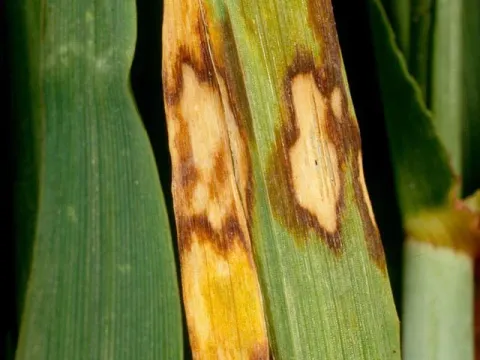
The initial symptom of infection is the appearance of chlorotic spots, which eventually darken, turning brown or black. These spots often have irregular shapes and are frequently surrounded by a yellow halo.
Over time, fruiting bodies of the fungus develop on the necrotic areas, appearing as small, dense dots or tubercles. These structures form clusters, concentrating along leaf veins or on the surface of young shoots.
As the disease progresses, premature yellowing and leaf shedding occur, significantly reducing the plant's photosynthetic area. Severe infections can lead to the deformation of young branches and stunted growth.
Microscopic analysis of infected tissues reveals hyphae penetrating the intercellular spaces, leading to the destruction of cell walls. This results in localized tissue necrosis and the formation of deep lesions.
- Early-season leaf yellowing.
- Black, raised spots on the leaf blade.
- Premature shedding of affected plant organs.
- Stem deformation during chronic infection.
The development of the disease is directly dependent on air humidity levels. Prolonged rainy periods or morning fogs create ideal conditions for spore germination on the surfaces of vegetative organs.
A temperature range between +15°C and +22°C is considered optimal for active mycelial spread. Sharp temperature fluctuations can slow the process but fail to eliminate the pathogen entirely.
Poor ventilation in dense stands or forest belts contributes to spore accumulation. High planting density exacerbates the epiphytotic situation by facilitating the spread of the fungus from one specimen to another.
Plants weakened by nutrient deficiencies or pest infestations exhibit significantly less resistance to Rhynchogastremataceae infections.
The presence of an infectious background, such as uncleaned plant debris from the previous autumn, is a critical factor. Greater soil spore load correlates with a higher probability of disease outbreaks at the start of the next season.
The primary damage results from reduced productivity of the affected stands. Impaired photosynthesis weakens the plant, lowering its winter hardiness and resilience against adverse environmental stressors.
Systemic infection leads to a decrease in biomass accumulation, which is critical for forestry and nurseries. Young seedlings may perish under heavy disease pressure during the first years after planting.
Infection of ornamental crops leads to a loss of aesthetic value, resulting in significant economic losses for nurseries and landscaping businesses.
The pathogen is capable of causing premature tissue senescence, which shortens the plant's active growing period. This leads to reduced yields of seeds or fruits in cultivated plants.
In neglected cases, the infection spreads throughout the entire population, becoming an epiphytotic event that requires drastic sanitary measures, including the felling and destruction of infected plants.
The main preventive measure is the thorough removal and burning of fallen leaves and plant debris in the autumn. This significantly reduces the infectious reservoir in the area.
Important agronomic practices include thinning stands to improve air circulation. Rational planting designs help reduce humidity in the root zone and on the leaf surfaces.
The use of copper-based fungicides or systemic triazole-group preparations effectively suppresses fungal development when the first signs of disease appear.
Managing irrigation practices to avoid overhead watering during high humidity limits the pathogen's ability to spread through tree and shrub canopies.
Breeding and selecting resistant plant species and varieties are the most reliable long-term protection methods. Using high-quality, virus-free planting stock prevents the introduction of infection to new areas.