
Rhytismataceae fungi
Rhytismataceae
Description
Symptoms
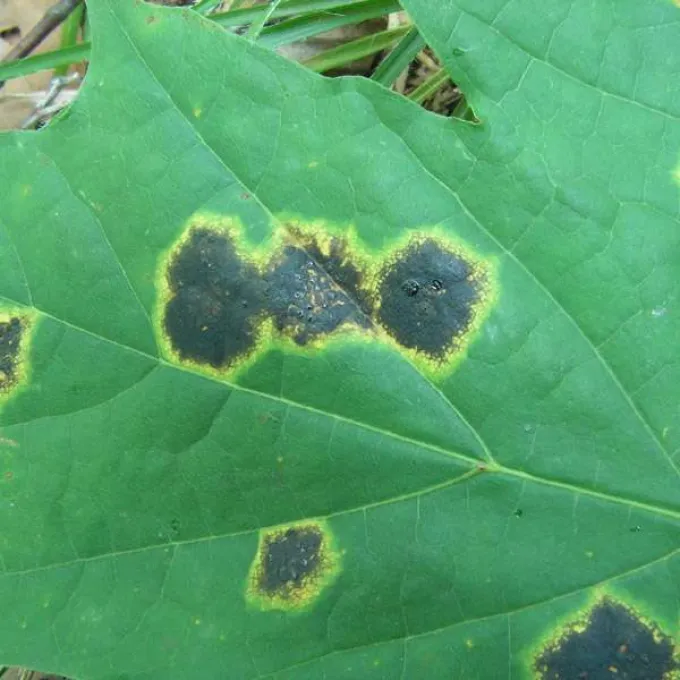
The characteristic sign of Rhytismataceae infection, commonly known as tar spot, is the appearance of circular black spots on the leaves of host trees. These spots often resemble drops of tar and may be surrounded by a chlorotic yellow halo.
As the pathogen matures, raised, shiny black fruiting bodies called apothecia develop within the necrotic spots. These structures are hard, dense, and provide a distinct diagnostic marker for the disease.
Severe infestations often result in premature leaf senescence. Affected leaves turn yellow and drop from the tree well before the normal autumn defoliation, significantly shortening the photosynthetic period.
In some species, such as maple or pine, the infection may also affect needles or young twigs, causing localized necrosis and eventual tissue death if the pathogen is not controlled.
The black stromatic structures remain visible on fallen leaves throughout the winter, serving as a persistent indicator of the pathogen's presence in the landscape.
Pathogen
Rhytismataceae is a family of fungi within the order Rhytismatales, characterized as ascomycetes. They are obligate or semi-obligate parasites that maintain a high degree of host specificity for certain tree species.
The life cycle typically involves a long incubation period within the leaf tissue. The fungus survives the winter primarily in fallen leaves, which act as the primary inoculum source for the following spring.
During spring rain events, the mature apothecia release ascospores into the air. These spores are carried by wind to infect newly emerged, susceptible foliage of the host tree.
The mycelium grows slowly throughout the growing season, spreading within the leaf lamina without causing immediate, widespread damage until the fungus is ready to produce its reproductive structures.
This specialized life cycle is perfectly adapted to the temperate climate, allowing the fungus to synchronize its spore production with the host's phenology.
Conditions for development
Rhytismataceae fungi thrive in high-humidity environments. Prolonged wet weather during the spring and early summer is the most critical factor for successful spore germination and infection.
Dense canopies and lack of airflow within the foliage promote a microclimate with stagnant, moist air, which significantly increases the risk of fungal establishment and spread.
In urban landscapes or forest stands, the presence of leaf litter from the previous season is the primary driver of new infections. The accumulation of debris provides an abundant source of spores.
Moderate temperatures, ranging between 15°C and 22°C, are optimal for the vegetative growth of the fungal mycelium within the leaf tissues during the summer months.
Trees that are under stress—whether due to poor soil conditions, drought, or nutrient deficiencies—are generally more susceptible to infection and show more severe symptoms than healthy trees.
Why it matters
The primary damage is caused by the premature loss of foliage, which reduces the tree's ability to store energy for the winter. This can lead to decreased winter hardiness and increased vulnerability to cold damage.
Repeated annual infections can lead to chronic stress, causing reduced growth rates, branch dieback, and increased susceptibility to secondary pests like wood-boring insects or root pathogens.
In professional nurseries, tar spot can cause significant economic losses by making seedlings or saplings unmarketable due to their unsightly appearance and impaired health status.
For ornamental trees in parks and gardens, the aesthetic impact is the most noticeable concern, as the dark, crusty spots mar the visual appeal of the canopy foliage.
Large-scale infections in forest plantations may result in reduced timber productivity due to the prolonged loss of photosynthetic capacity across the stand.
Protection
The most effective management strategy is sanitation. Collecting and destroying fallen leaves before spring is crucial to remove the primary source of the fungal inoculum.
Pruning trees to improve crown ventilation and sunlight penetration helps to reduce humidity levels, making the environment less favorable for fungal growth and spore dispersal.
In nurseries or high-value landscapes, preventative fungicide applications containing copper or systemic active ingredients can protect young leaves during the period of primary infection.
Monitoring for initial signs of the disease allows for timely intervention, such as removing a few infected branches or initiating a localized treatment before the pathogen becomes widespread.
Promoting overall tree vigor through proper irrigation, fertilization, and site management helps trees develop natural resistance and recover more effectively from fungal infections.
Discussion
No discussions yet — be the first.