
Rhizoglomus
Rhizoglomus
Rhizoglomus is not a plant pathogen; it is a genus of soil-dwelling fungi belonging to the phylum Glomeromycota. These fungi are obligate symbionts that form arbuscular mycorrhiza (AM) with the roots of a vast majority of vascular plants, including most essential agricultural crops.
What the section contains
Rhizoglomus
The symbiotic relationship involves the fungus penetrating the cortical cells of the plant root. Inside these cells, the fungus develops branched structures known as arbuscules, which serve as the primary interface for nutrient exchange.
Unlike parasitic fungi, Rhizoglomus does not cause disease or tissue decay. Instead, it provides the plant with essential nutrients, particularly phosphorus and micronutrients, which are often locked in the soil and difficult for the root system to access directly.
In return, the plant provides the fungus with carbon sources, such as sugars and lipids, derived from photosynthesis. This mutualistic exchange is fundamental to plant health and soil biodiversity.
This genus is widely recognized in modern agriculture as a key component of sustainable farming practices, aiding in soil restoration and promoting crop vigor.
Visible signs of Rhizoglomus activity manifest as superior crop health, increased drought tolerance, and improved resilience against environmental stress. Plants colonized by these fungi often display a more robust and expansive root system.
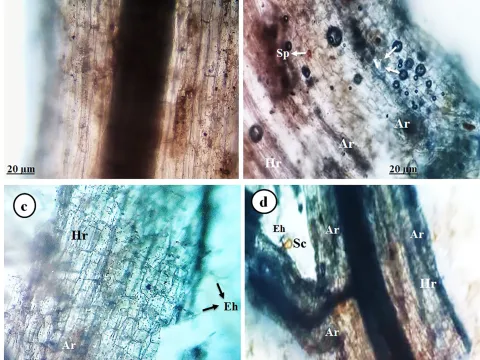
Under microscopic analysis, the presence of these fungi is confirmed by identifying fungal hyphae within the root cortex, as well as the presence of arbuscules inside root cells and extraradical spores in the rhizosphere.
Crops associated with Rhizoglomus typically exhibit higher biomass and uniform maturity compared to non-mycorrhizal counterparts, as the constant nutrient supply supports steady metabolic development.
Improved color and vitality in foliage are often observed, as the symbiotic partnership helps the plant maintain a better balance of mineral nutrients, preventing deficiency symptoms.
In field conditions, the increased resistance to water scarcity is a hallmark of a healthy mycorrhizal association, allowing plants to maintain productivity during dry spells that would otherwise stress non-mycorrhizal plants.
The development of Rhizoglomus is heavily influenced by soil management practices. A healthy presence of these fungi requires living root systems, meaning continuous cropping or the use of cover crops is essential to maintain the fungal population.
Excessive use of chemical inputs, particularly high levels of soluble phosphorus fertilizers and certain fungicides, can disrupt the symbiosis. When plants have an abundance of easily accessible nutrients, they often reduce their investment in the fungal partner.
Soil structure, pH levels, and temperature play critical roles. Rhizoglomus thrives in well-aerated soils with moderate pH levels, while compacted or waterlogged soils can significantly limit fungal growth.
Tillage practices also dictate the presence of these fungi; deep plowing can fragment the mycelial network, reducing the efficiency of colonization for the subsequent crop season.
An environment rich in organic matter fosters a diverse and active soil microbiome, providing the necessary conditions for Rhizoglomus to establish and maintain strong symbiotic connections with crop roots.
Rhizoglomus is strictly a beneficial organism and does not cause harm to agricultural crops. There is no evidence in agronomical science classifying it as a pest or a causative agent of disease.
The myth of "harm" is non-existent in professional literature; conversely, its presence is highly desirable in all major agricultural systems, from cereals to horticulture. It contributes to soil structure through the production of glomalin, a soil protein that improves stability.
Research confirms that mycorrhizal colonization can suppress soil-borne pathogens by competing for space and nutrients in the rhizosphere, effectively acting as a biological shield for the plant.
The economic impact of Rhizoglomus is positive, as it reduces the dependence on synthetic fertilizers and enhances overall yield stability, proving to be an asset rather than a liability.
It is crucial to differentiate this genus from root rot pathogens; while root rots destroy the plant, Rhizoglomus actively integrates into the plant's natural life cycle to enhance its survival and productivity.
Control measures for Rhizoglomus focus on conservation and inoculation rather than suppression. Protecting the existing soil mycelium is key, which can be achieved through reduced or no-tillage systems.
Farmers are encouraged to utilize commercial mycorrhizal inoculants during the planting phase to ensure a rapid establishment of the symbiotic relationship, particularly in soils where native populations have been depleted.
Maintaining biological soil health through the incorporation of compost and organic matter supports the proliferation of these fungi, creating a sustainable environment for their long-term survival.
Selective use of pesticides is advised to prevent non-target effects on the mycorrhizal community. Integrated Pest Management (IPM) strategies that minimize toxic chemicals naturally favor the presence of beneficial fungi.
Monitoring the soil health regularly helps to manage the population of these beneficial organisms, ensuring that the agricultural land remains a productive habitat for the symbiosis that drives crop yields.