
Rhizodiscinaceae
Rhizodiscinaceae
Rhizodiscinaceae is a family of ascomycete fungi that often act as specialized pathogens or saprotrophs on various plant hosts.
What the section contains
Rhizodiscinaceae
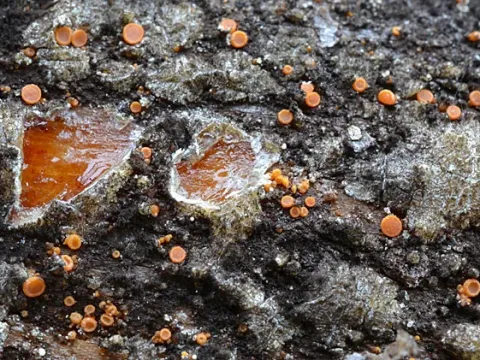
The disease is caused by fungal development that results in the formation of small apothecia, typically erupting through the epidermis of the host plant.
These fungi possess a biological life cycle that allows them to remain dormant in plant debris during unfavorable seasons.
The infection spreads through airborne spores or rain splashes that carry the conidia to susceptible plant tissues.
The pathogen is primarily known for colonizing woody stems and weakened plant tissues, potentially causing localized necroses.
The most distinctive signs are small, disc-shaped fruiting bodies appearing on the surface of the bark or stem tissue.
Localized browning or discoloration of the stem is a typical indicator that the fungus is actively damaging the internal structure.
In advanced stages, the infected bark may show signs of cracking or peeling as the fungus disrupts normal growth processes.
Plants often exhibit signs of systemic stress, including wilted foliage and the gradual dieback of terminal branches.
- Appearance of small fungal disks.
- Discoloration of the stem and bark.
- Gradual drying of affected woody parts.
High humidity and consistent moisture on plant surfaces are essential for the germination and spread of Rhizodiscinaceae spores.
The disease thrives in environments with poor air circulation, such as overcrowded orchards or damp greenhouse conditions.
Mechanical damage caused by pruning or environmental stress provides entry points for the pathogen to establish an infection.
Cool and mild temperatures, characteristic of spring or autumn, often trigger the peak period of spore production and colonization.
Failure to clear away fallen branches or pruning debris creates a reservoir for the pathogen to persist in the field.
The pathogen causes significant damage by disrupting vascular tissue, leading to a decline in water and nutrient transport.
Affected crops show reduced vigor and productivity, leading to potential yield losses in commercial agricultural production.
Repeated infections can weaken the structural integrity of the plant, increasing the risk of mechanical failure or susceptibility to other diseases.
Long-term colonization eventually kills the affected parts of the plant, which may require extensive pruning or the total removal of the crop.
Financial losses are driven by both crop damage and the costs associated with integrated pest management (IPM) practices.
Sanitation is the most critical management strategy, involving the removal and destruction of all infected plant materials to reduce inoculum.
Proper pruning techniques should be applied to enhance air circulation and reduce the duration of leaf wetness on the plants.
Applying copper-based fungicides can act as a protective barrier against fungal colonization during the vulnerable early growth stages.
Maintaining plant health through optimal nutrition and watering prevents the stress that often predisposes plants to fungal attacks.
In severe cases, the use of systemic fungicides may be necessary to suppress the development and spread of the fungus within the plant tissue.