
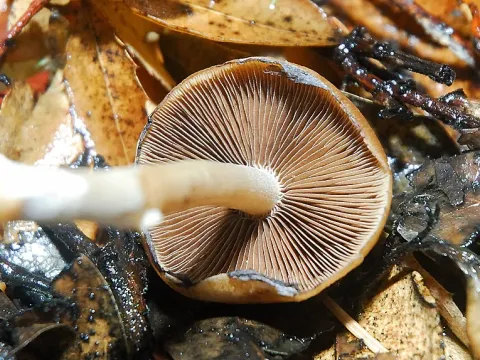
Psathyrella
Psathyrella
Psathyrella is a genus of fungi belonging to the family Psathyrellaceae. While primarily recognized as saprotrophs that decompose wood and organic matter, certain species can behave as facultative parasites on compromised plant tissues.
What the section contains
Psathyrella
In an agricultural setting, these fungi thrive when the host plant is already under stress or when the growing environment provides an excess of decaying material. The pathogen disrupts normal metabolic pathways within the root zone.
The fungus propagates through spores that are easily dispersed by water runoff, wind, or gardening tools. Once in contact with a suitable substrate, the mycelium begins to colonize the area rapidly.
The pathology involves the enzymatic degradation of cell walls, which leads to the softening of plant tissues. This mechanism makes the plant vulnerable to secondary bacterial infections as well.
Biological persistence in the soil allows the pathogen to remain latent until conditions, such as high humidity and adequate organic fuel, become optimal for colonization.
The most distinctive sign of a Psathyrella infestation is the appearance of small, capped mushrooms emerging near the base of the plant or on mulch surrounding the roots.
Plants affected by the fungus exhibit signs of nutrient deficiency, such as yellowing of leaves (chlorosis) and progressive wilting that does not respond to irrigation.
Inspection of the root collar often reveals darkened, softened tissues. When removed from the soil, the roots may show a white, cottony mycelial growth covering the surface.
In advanced stages, the root system loses its integrity, becoming brittle and prone to breakage. The vascular tissues within the root may appear discolored when cross-sectioned.
Stunted growth is commonly observed, as the root system can no longer support the plant's metabolic demands, leading to a general decline in overall plant health.
Psathyrella development is heavily influenced by soil moisture levels. Poorly drained soils or excessive overhead irrigation create a high-humidity microclimate that facilitates rapid fungal growth.
The presence of abundant non-decomposed organic matter, such as wood chips, straw, or leaves, provides the necessary carbon source for the fungus to establish its colony.
Temperatures ranging from 15 to 22 degrees Celsius are ideal for active growth, making the fungus particularly problematic during cool, wet spring or autumn weather.
Acidic soil conditions (pH < 6.0) favor the dominance of these fungi over beneficial soil microorganisms, making acid-loving plants or soils more susceptible.
Lack of proper soil aeration contributes to anaerobic conditions, which stress the plant roots and create an environment where the fungus can more easily attack.
The primary harm caused by Psathyrella is the destruction of the root cortex, which limits water and nutrient uptake. This leads to reduced yields and inferior fruit quality.
By weakening the host plant, the fungus opens pathways for other, more aggressive plant pathogens, potentially leading to total crop failure in susceptible varieties.
The presence of the fungus can lead to premature senescence of crops, which significantly shortens the harvest period and reduces the economic efficiency of the farm.
In ornamental plants, the emergence of mushrooms in containers or beds ruins the aesthetic value of the planting, making it difficult to maintain high-quality decorative standards.
Repeated infestations can lead to long-term soil contamination, requiring substantial efforts to restore the health and microbial balance of the affected area.
Effective management begins with improving soil drainage. Modifying the landscape to prevent water pooling is crucial in reducing the risk of fungal proliferation.
Sanitation is key; removing excessive mulch or decaying plant debris prevents the fungus from finding the fuel it needs to multiply in the vicinity of crops.
Adjusting the soil pH through liming can create an environment less favorable for Psathyrella, helping to restore a healthier soil ecosystem for the plants.
The application of biological controls, specifically Trichoderma-based products, helps to create a competitive soil environment that suppresses pathogenic growth.
Fungicidal interventions should only be used as a last resort and must be selected based on local agricultural regulations to ensure safety and effectiveness.