
Polystomellaceae
Polystomellaceae
The Polystomellaceae family comprises several species of ascomycete fungi that act as plant pathogens. These fungi primarily colonize the leaf tissues, where they establish their lifecycle and reproductive structures.
What the section contains
Polystomellaceae
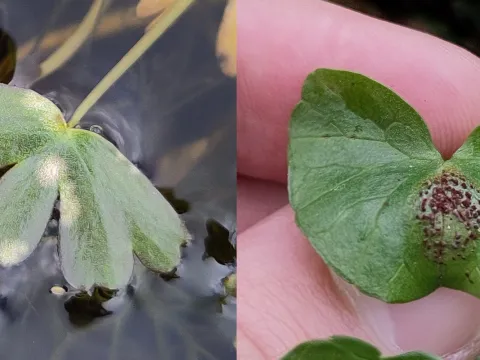
The pathogen is characterized by the development of ascostromata, which are small, dark, fungal fruiting bodies that erupt through the epidermis of the host leaf surface. This activity disrupts the integrity of the plant tissue.
The lifecycle typically involves an overwintering phase in fallen leaves or other organic debris. As temperatures rise in the spring, the fungus produces spores that are dispersed by wind and rain splash to initiate new infections.
Upon infection, the fungal mycelium penetrates the leaf parenchyma, extracting nutrients and causing cellular dysfunction. This leads to the characteristic necrosis observed on the affected foliage.
Because they are often host-specific, the distribution of Polystomellaceae depends on the presence of susceptible host plants in environments with suitable microclimatic conditions.
Initial symptoms are usually manifesting as small spots on the leaf surface. These spots may be circular or irregular in shape and are often delimited by a distinct halo, representing the plant's attempt to isolate the infection.
As the disease progresses, the center of the spots darkens significantly as the fungal ascostromata develop. These appear as minute black pustules visible to the naked eye or under a magnifying lens.
Severe infections lead to chlorosis and premature leaf abscission. In some cases, the entire leaf blade may turn necrotic, causing the plant to lose its foliage long before the natural seasonal cycle.
Secondary symptoms may include the wilting of younger shoots and overall stunted growth of the plant. The aesthetic quality of ornamental plants is severely compromised by these unsightly marks.
- Dark, necrotic spots on leaves.
- Black fruiting bodies visible on the spots.
- Premature yellowing and leaf drop.
- Reduced plant vigor and growth rate.
The development and spread of these fungi are highly dependent on high moisture levels. Periods of prolonged rainfall, heavy dew, or high humidity create an environment conducive to spore germination.
Poor aeration within the canopy is a major risk factor. Densely planted areas where air circulation is restricted allow leaf surfaces to remain wet for extended periods, facilitating rapid fungal colonization.
Warm temperatures, combined with humidity, act as an accelerator for the pathogen's growth. Once the humidity drops and the foliage dries quickly, the infection process is significantly inhibited.
Plant hygiene plays a critical role in the presence of the pathogen. Failure to clear infected plant debris from the ground creates a reservoir for spores that will infect the new growth in the subsequent spring.
Plants that are physiologically stressed due to poor soil conditions or improper fertilization are generally more susceptible to successful invasion by these pathogens compared to healthy ones.
The primary impact of Polystomellaceae is the significant reduction of the plant's photosynthetic capacity. By destroying leaf tissue, the fungus reduces the amount of energy the plant can produce.
In fruit-bearing crops, this reduction in energy reserves often results in smaller, lower-quality yields and diminished sugar content. The overall health of the plant is weakened, making it more susceptible to winter damage.
Ornamental plants suffer from severe aesthetic degradation. Defoliation can occur mid-season, which is a major issue for nursery production and landscaping, necessitating costly remedial treatments.
Long-term consequences of recurring infections include the gradual dieback of branches and twigs. If left untreated, severe cases can lead to the overall decline and potential death of the host plant.
Economic losses in agriculture are driven by the costs of fungicide applications, labor for sanitation, and the reduction in market value of infected produce and ornamental specimens.
Cultural control measures start with rigorous sanitation. Removing and disposing of all fallen leaves at the end of the growing season is essential to disrupt the fungus's overwintering cycle.
Pruning strategies should aim to open the plant canopy. Improved airflow and increased light penetration prevent the micro-environment from becoming excessively humid, which naturally deters fungal growth.
Chemical control involving copper-based fungicides or systemic chemical treatments can be applied as a preventative measure. Applications must be timed correctly to coincide with the most vulnerable stages of plant development.
Implementing a comprehensive monitoring program helps in early detection, allowing for localized treatments before the disease spreads throughout the entire population of plants.
Maintaining plant health through balanced nutrition and adequate irrigation practices fosters natural resistance, making plants less attractive hosts for fungal colonization.