
Polythrincium leaf spot
Polythrincium
Description
Symptoms
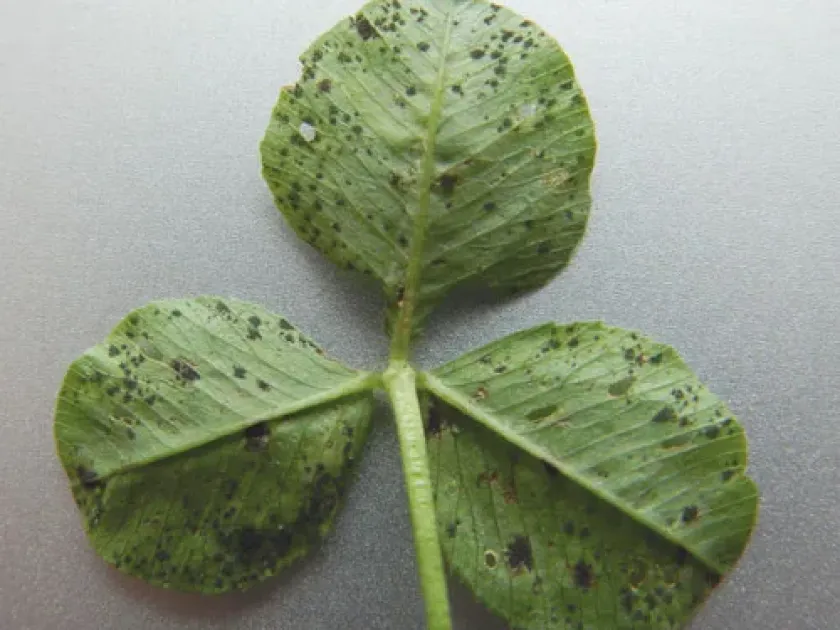
The primary symptom of this disease is the appearance of numerous small, black, velvet-like spots on the upper surfaces of the leaves.
These spots are fungal stroma that eventually coalesce into larger, irregular patches, covering significant portions of the leaf blade.
Infected leaves begin to turn yellow, dry out, and drop prematurely, which results in significant thinning of the plant canopy.
Deformation of the leaves is a common symptom in advanced stages, reducing the total photosynthetic surface area of the plant.
- Close inspection often reveals the powdery, velvet-like texture of the spots, which helps in identifying the disease in the field.
Pathogen
The disease is caused by the fungus Polythrincium trifolii, which is classified as an ascomycete and primarily targets leguminous plants, especially clover.
The life cycle of this pathogen is closely synchronized with the development of the host plant, allowing it to complete multiple cycles during one season.
The fungus survives the winter period within the plant debris left on the field, forming structures known as stroma that contain spores.
In spring, when conditions become favorable, the stroma produces conidia, which serve as the primary source of infection for emerging spring growth.
The conidia are dispersed by wind, rain splashes, and insects, ensuring the rapid spread of the fungus across the field during the vegetation period.
Conditions for development
High relative humidity and frequent rainfall are the most important environmental factors that promote the development of Polythrincium trifolii.
The pathogen thrives in moderate temperatures, typically ranging from +18 to +24 degrees Celsius, which allows for optimal spore germination.
Dense crop stands create a microclimate with restricted airflow, trapping moisture on the leaf surfaces for longer durations and fostering fungal growth.
Extended periods of wet weather during the spring and early summer act as the primary triggers for the spread of the infection.
Lack of proper field management and accumulation of crop residues significantly increase the risk of disease outbreaks in subsequent years.
Why it matters
The economic impact of Polythrincium is significant as it reduces the yield and quality of forage crops, particularly clover.
The disease reduces the nutrient content of the biomass, making it less suitable for high-quality silage or hay production.
Reduced photosynthetic capacity leads to weaker root systems, making the plants more susceptible to winterkill and other environmental stresses.
In seed production fields, the infection can cause drastic losses, reducing both the quantity and the viability of the harvested seeds.
Severe infestations can lead to early defoliation, significantly decreasing the total vegetative biomass harvested in a season.
Protection
Crop rotation is the most effective preventative measure, as it prevents the buildup of fungal spores in the soil over time.
Thorough soil tillage and incorporation of crop residues help bury the sources of primary infection, effectively slowing down the disease cycle.
The use of certified, disease-resistant cultivars is highly recommended to minimize the impact of the pathogen on crop yields.
Timely harvesting or mowing of the clover crop helps prevent the fungus from reaching its full reproductive potential.
When necessary, the application of systemic fungicides during the active growth phase can prevent epidemics, especially in valuable seed crops.
Discussion
No discussions yet — be the first.