
Picoa
Picoa
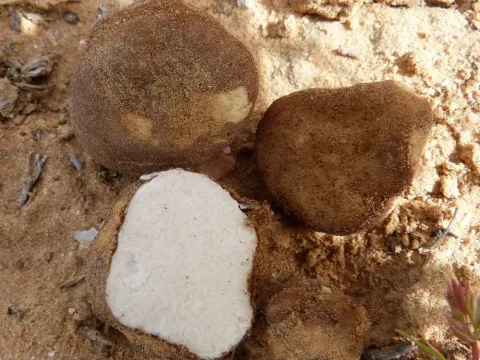
The genus Picoa represents a group of hypogeous ascomycete fungi that can act as opportunistic pathogens within the soil ecosystem.
What the section contains
Picoa
These organisms develop subterranean fruiting bodies, often establishing a parasitic or necrotrophic relationship with the root systems of various host plants.
The biology of the pathogen is centered on the ability to penetrate root tissues and extract nutrients, which disrupts the host plant's vital physiological functions.
The lifecycle is adapted to survive in subterranean environments, often persisting in the soil through dormant spores during unfavorable periods.
As a pathogen, Picoa exploits the exudates produced by roots to locate and colonize the host plant effectively.
The development of Picoa is heavily influenced by soil moisture content, with high humidity levels significantly favoring its proliferation.
Temperature plays a crucial role; moderate climates, particularly in spring and autumn, provide optimal conditions for mycelial growth and infection.
Soil structure, specifically compaction and lack of oxygen, can exacerbate the impact of the fungus by weakening the host plant's natural defenses.
Neutral to slightly alkaline soils tend to support the lifecycle of this fungus more effectively than highly acidic substrates.
Rainy seasons often trigger outbreaks, as water movement in the soil facilitates the spread of fungal spores to healthy roots.
The primary damage caused by this infection is the systematic destruction of root vascular tissues, which prevents water and nutrient transport.
Infected crops typically exhibit stunted growth, leaf chlorosis, and general signs of physiological stress throughout the growing season.
As the root system decays, the plant loses its ability to anchor firmly in the soil and becomes prone to lodging or premature death.
Yield quality is severely compromised, and in serious cases, entire sections of the crop may fail, resulting in significant economic losses.
Increased vulnerability to secondary bacterial and fungal invaders following the primary Picoa infection further degrades crop health.
Effective management begins with rigorous field sanitation, including the removal of debris that may harbor the pathogen spores.
Improving soil drainage is a critical cultural practice that reduces the probability of infection by preventing stagnant water conditions.
Strategic use of systemic fungicides applied to the soil can help manage outbreaks in high-risk areas where the pathogen is established.
Promoting a healthy soil microbiome by using composts and biological agents can help suppress the growth of harmful ascomycetes like Picoa.
- Implement strict crop rotation schedules.
- Monitor soil moisture and drainage capacity.
- Regularly inspect root health during the vegetative stage.
- Apply biological control agents where applicable.