
Picoa carthusiana
Picoa carthusiana
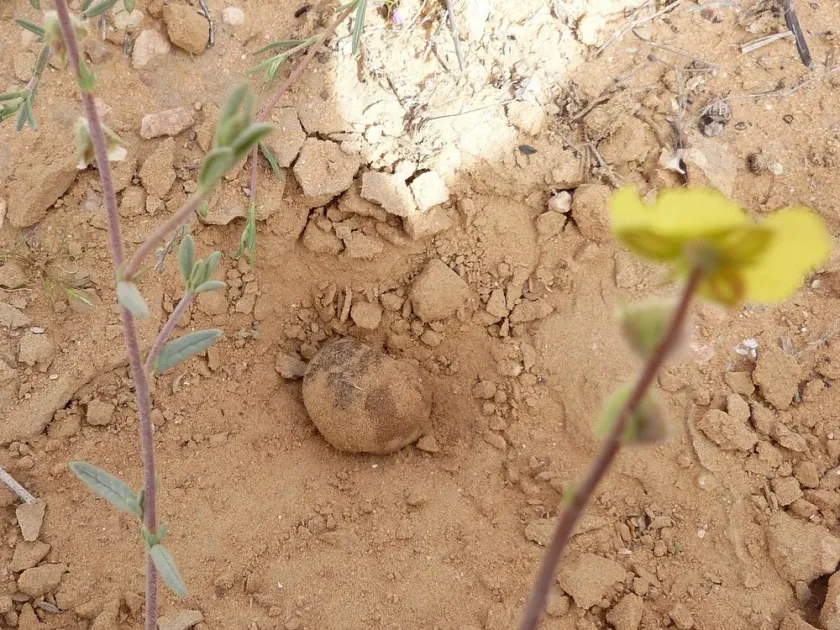
Description
Symptoms
The primary symptom of infestation is an overall decline in plant vigor, evidenced by chlorotic foliage and significantly stunted shoot development during the growing season.
Close inspection of the root zone often reveals a distinctive fungal mat or mycelial layer coating the roots, which interferes with water and nutrient uptake by the host plant.
In later stages of the disease, the root system shows signs of necrosis, with smaller feeder roots appearing dark, fragile, and unable to support the structural needs of the plant.
Infected plants frequently exhibit poor performance during drought conditions, as the compromised root system loses its ability to regulate the plant's hydraulic balance effectively.
Clusters of small, rounded fungal fruiting bodies might be found in the immediate proximity of the infected root zone, especially in well-aerated or loose soil types.
Pathogen
Picoa carthusiana is an ascomycetous fungus belonging to the Picoaceae family, primarily known as a soil-inhabiting organism with mycorrhizal associations that can act as a pathogen under specific agricultural conditions.
The fungus develops subterranean fruit bodies and spreads through soil mycelium or spores, which can remain dormant in the ground for extended periods while waiting for favorable development conditions.
As a pathogen, it interacts directly with the plant's root system, utilizing the plant's photosynthetic products for its own metabolism, thereby acting as a competitive parasite.
Its biological cycle is intricately linked to the presence of host roots, and it often thrives in environments where the natural soil microbiome is disturbed or lacks sufficient biological competition.
The morphological structure of the fungal hyphae allows for deep colonization of the root tissue, which frequently complicates diagnostic efforts and makes the pathogen resistant to standard soil treatments.
Conditions for development
Picoa carthusiana prefers well-drained, sandy or loamy soils with a slightly alkaline pH, which provides an optimal environment for its mycelial expansion.
Moisture plays a critical role in the development of the disease; prolonged wet weather, especially in spring, facilitates the germination of spores and the establishment of new colonies.
The fungus thrives in areas where monoculture practices have depleted the diversity of beneficial soil microorganisms, leaving the environment vulnerable to pathogen invasion.
Mechanical operations, including plowing and cultivation, are major drivers of the spread, as contaminated soil particles are easily transferred across agricultural fields by machinery.
Temperatures ranging from 15°C to 22°C are considered most favorable for the rapid colonization of host roots, making early season protection a priority for growers.
Why it matters
The economic impact of the disease is significant, as it leads to progressive yield loss and a decrease in the quality of harvested produce due to limited nutrient flow.
Infected plants suffer from chronic stress, which makes them highly susceptible to secondary attacks by other pathogens, including opportunistic bacteria and viruses.
The accumulation of the fungus in the soil leads to long-term degradation of land quality, potentially forcing farmers to abandon or undergo extensive soil remediation for affected plots.
The presence of the pathogen complicates field management, creating uneven growth patterns that hinder automated harvesting and uniform crop development.
Financial losses are compounded by the need for expensive chemical or biological interventions and the potential requirement for replanting entire fields affected by the fungus.
Protection
Effective management begins with robust crop rotation strategies, which interrupt the lifecycle of the pathogen and promote a healthier soil ecosystem for subsequent plantings.
The application of bio-fungicides, specifically those containing Trichoderma species, can help create a competitive environment in the soil that inhibits the growth of Picoa carthusiana.
Ensuring optimal soil drainage and avoiding over-compaction are critical physical management techniques to reduce the moisture levels favored by the fungus.
Strict sanitation protocols for farm machinery and tools are essential to prevent the cross-contamination of clean fields from infected areas during seasonal operations.
Regular monitoring of root zones and early identification of diseased clusters allow for targeted remediation, preventing the widespread dissemination of the fungal pathogen across the site.
Discussion
No discussions yet — be the first.