
Pigeon pea diplodia stem blight
Diplodia cajani
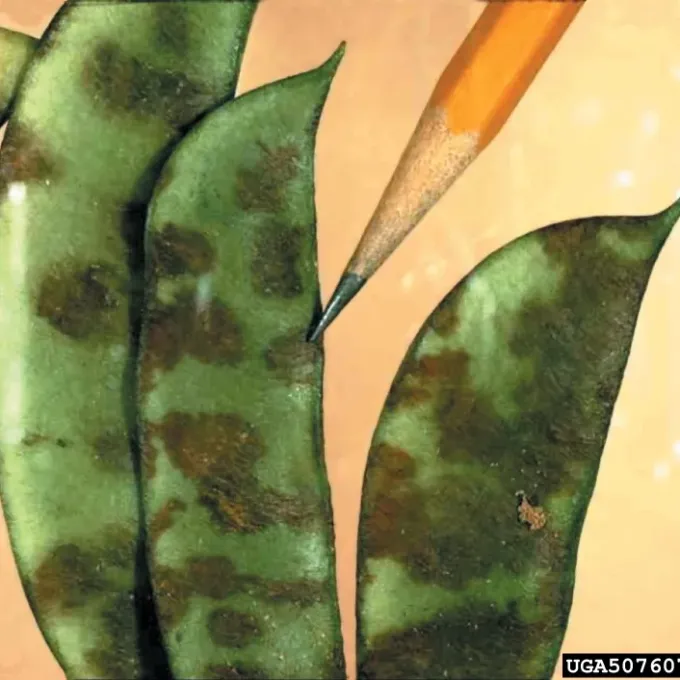
Description
Symptoms
The most characteristic symptom is the appearance of dark brown or black lesions on the stems and branches, which can eventually girdle the affected part of the plant.
Small black, pimple-like structures, which are the pycnidia, emerge on the surface of the discolored areas and are a diagnostic feature of this fungal infection.
Infected plants typically show symptoms of wilting and yellowing of the leaves above the point of infection, as the necrotic lesions restrict normal circulation.
Severe cases often lead to the cracking of the stem bark, exposing the internal woody tissue, which renders the plant extremely fragile and prone to breaking.
Entire branches or the main stem may die off prematurely, leading to a scorched appearance of the affected pigeon pea canopy.
Pathogen
The disease is caused by the fungus Diplodia cajani, a pathogenic agent specifically associated with pigeon pea (Cajanus cajan). This fungus belongs to the class of deuteromycetes and is responsible for significant necrotic stem diseases.
The pathogen produces pycnidia, which are asexual fruiting bodies containing conidia, acting as the primary inoculum for the disease. These structures allow the fungus to persist in infected crop debris over the dormant season.
The life cycle of the pathogen is highly dependent on environmental conditions, with spores spreading through rain splashes and wind currents to infect healthy plants within the field.
Once the fungal hyphae penetrate the plant tissues, they colonize the vascular system, leading to severe disruption of water and nutrient transport throughout the plant stem.
Understanding the biological niche of Diplodia cajani is vital for developing integrated pest management plans, particularly in regions where pigeon pea is a staple crop.
Conditions for development
The development of the disease is favored by high humidity and moderate to warm temperatures, which are common during the pigeon pea growing season in tropical regions.
Heavy rainfall is a major factor in the disease spread, as water droplets facilitate the movement of spores from pycnidia to other healthy plant parts.
Crowded planting patterns increase local humidity within the crop canopy, providing an ideal microclimate for the fungus to multiply and thrive.
Poor soil drainage and low-lying areas in the field, which retain moisture for longer periods, often become hotspots for the initial development of the stem blight.
Environmental stress, such as drought or mechanical injury from field operations, can weaken the plants and increase their susceptibility to Diplodia cajani infection.
Why it matters
The economic impact of the disease is significant, as it leads to a reduction in both the quantity and the overall quality of the harvested pigeon pea seeds.
Premature death of the foliage and stems directly limits the plant's ability to fill pods, resulting in shriveled or underdeveloped grains.
Widespread infection can lead to substantial stand loss, forcing farmers to bear the costs of replanting and dealing with delayed maturity of the crop.
Contaminated seeds can carry the pathogen to new planting areas, acting as a long-term source of inoculum and limiting the success of future agricultural cycles.
Stem weakness caused by the fungal attack leads to increased lodging, which complicates harvesting processes and increases field losses during the collection stage.
Protection
The primary control measure is the implementation of a strict crop rotation schedule, which breaks the pathogen's life cycle by removing the host for several years.
Proper field hygiene, including the deep plowing and destruction of crop residues, is essential to reduce the primary inoculum load present in the soil after harvest.
Seed treatment with authorized fungicides is recommended to disinfect planting material and protect the germinating seeds from soil-borne pathogens.
Selecting and breeding for resistant pigeon pea cultivars is the most sustainable approach to long-term management of diplodia stem blight.
In cases of high disease pressure, preventative spraying with appropriate fungicides during the early flowering stages can significantly reduce the severity of the outbreak.
Discussion
No discussions yet — be the first.