
Chestnut Phytophthora
Phytophthora castaneae
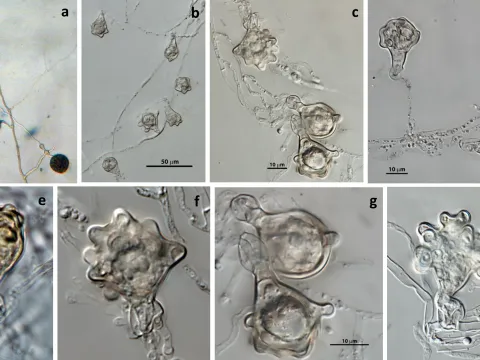
The causal agent of this disease is the soil-borne oomycete Phytophthora castaneae. This pathogen belongs to the oomycete class and specializes in infecting the root system and the lower trunk of various chestnut species.
What the section contains
Chestnut Phytophthora
The life cycle of the pathogen is strictly dependent on soil moisture. The organism can survive in the soil for extended periods in the form of dormant spores, waiting for favorable conditions to germinate and invade host roots.
Infection typically begins at the fine root tips. From there, the mycelium moves systematically towards the root collar, producing enzymes that degrade plant tissues and disrupt the water and nutrient transport system.
Dissemination often occurs via contaminated soil, infected nursery stock, or through the movement of infested water during heavy rains and seasonal flooding in plantation areas.
The biological specificity of this pathogen allows it to rapidly colonize the rhizosphere of susceptible trees, making it a severe threat to chestnut cultivation globally.
The first clinical signs of the disease include general tree decline, characterized by leaf chlorosis and premature leaf drop. The canopy becomes sparse, and younger shoots start to wither.
A closer inspection of the root collar often reveals necrotic lesions on the bark. The affected areas appear dark brown, and in active stages, they may show signs of weeping or exudation.
Deep infection of the root system leads to extensive rotting. The fine feeder roots are usually the first to die, resulting in a systemic nutritional deficit for the entire tree.
When peeling back the bark in the affected zone, a distinct boundary between healthy, light-colored tissue and diseased, reddish-brown necrotic tissue is clearly visible.
- Premature wilting of foliage.
- Dark lesions on the lower trunk base.
- Death of fine lateral roots.
- Softening and decay of the root cortex.
- Reduced annual shoot growth.
Excessive soil moisture is the primary driver for Phytophthora castaneae development. The pathogen thrives in poorly drained soils where water remains stagnant for long periods.
Temperature significantly influences the rate of spread; the pathogen is most active during warm months when soil temperatures provide an ideal environment for oomycete metabolism.
Heavy clay soils that are prone to compaction provide an ideal habitat for the disease, as they lack proper aeration and moisture regulation, weakening the tree's natural root defenses.
Mechanical damage to the roots or the tree base, often caused during cultivation or weeding, significantly increases the risk of infection by providing entry points for the zoospores.
Overcrowded plantations with poor air circulation can maintain high humidity levels at the soil surface, facilitating the environmental conditions necessary for the pathogen to persist.
The main danger of Chestnut Phytophthora is the rapid destruction of the tree's vascular system. This blockage of water transport leads to plant death, which can occur within a single growing season.
The disease causes major economic losses in nursery production, as infected trees are untreatable and must be destroyed to prevent the spread of the pathogen to healthy stock.
Once established in the soil, the pathogen is extremely difficult to eradicate because of its ability to survive in deep soil pores and maintain infection pressure over many years.
Stressed trees infected with Phytophthora are highly susceptible to secondary pests and opportunistic diseases, leading to a rapid collapse of forest stands or orchard productivity.
The high pathogenicity of the organism requires strict quarantine protocols, as reclaiming soil infested with Phytophthora castaneae is a complex and costly endeavor.
The foundation of management is the use of pathogen-free planting material sourced from certified nurseries that implement rigorous phytosanitary monitoring.
Improving agronomic practices is essential, including the installation of professional drainage systems to prevent waterlogging and regular soil cultivation to enhance aeration.
If infection is detected, affected trees must be isolated and removed, including as much of the root system as possible. The site should then be treated with approved systemic fungicides.
Application of phosphite-based treatments has shown success in suppressing mycelial growth and boosting the tree's natural resistance during the early stages of a potential outbreak.
Strict crop rotation and avoiding sites with a history of Phytophthora infections are critical strategies for maintaining the long-term health and viability of chestnut plantings.