
Chestnut melanconiosis
Melanconis modonia
The causative agent of this disease is the ascomycete fungus Melanconis modonia. It is a specialized pathogen that primarily targets the bark and cambium layers of chestnut trees, leading to tissue death and localized necrosis.
What the section contains
Chestnut melanconiosis
The fungus develops internally within the host tissue, eventually forming stroma under the outer bark. Once the pathogen matures, it ruptures the epidermis to release conidia, which are then disseminated by wind, rain, and insects to infect other parts of the tree or neighboring specimens.
Melanconis modonia is known to persist for extended periods on deadwood and fallen branches. This ability to saprophytically survive on organic matter makes it a persistent threat in forests and managed landscapes where cleanup is incomplete.
The infection process starts when spores land on fresh wounds or natural openings in the bark. Upon germination, the fungal hyphae penetrate the cortical layers, progressively colonizing the phloem and xylem, which severely disrupts the tree's vascular system.
Biological resilience is a key trait of this pathogen; it can withstand varying environmental conditions by staying dormant within the woody tissues until the host shows signs of weakness or stress, at which point it accelerates its colonization.
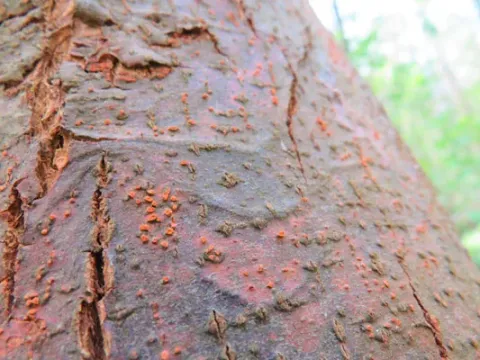
The first external symptom is the appearance of brownish, sunken patches on the bark of branches or the main trunk. These areas often contrast sharply with the healthy, smoother bark nearby.
Closer observation reveals the presence of small, dark, raised pustules on the infected bark surface. These are the fruiting bodies of the fungus, which often ooze spore masses during humid weather conditions.
Leaves on the affected branches typically show signs of yellowing, chlorosis, and premature wilting. This occurs because the fungal colonization interferes with water and nutrient transport, effectively girdling the branch.
As the disease advances, the infected bark may crack and peel away, exposing the underlying wood. If the infection circles the entire circumference of a branch or trunk, the portion of the tree above the lesion will inevitably die.
The internal necrosis is often more extensive than the external symptoms suggest. Peeling back the affected bark often reveals discolored wood and visible mycelial mats, confirming the presence of the pathogen.
Environmental conditions favoring the development of chestnut melanconiosis include high humidity and frequent rainfall. These conditions provide the necessary moisture for fungal spores to germinate and migrate along the stem surface.
Trees that are already stressed due to drought, soil nutrient deficiency, or urban pollution are significantly more susceptible to infection. A compromised defense mechanism allows the fungus to gain an easy foothold.
Physical injuries, such as those caused by frost, wind breakage, or improper pruning techniques, serve as primary entry points for Melanconis modonia. The lack of proper wound sealing after pruning is a major factor in disease spread.
Dense planting configurations limit airflow and increase the duration of surface wetness, which drastically improves the chances for successful spore colonization. Proper spacing is therefore a crucial preventative factor.
The presence of bark-boring insects often acts as a catalyst for infection. By creating tunnels and damaging the protective cork layer, these insects introduce the fungus directly into the susceptible tissues of the tree.
The disease causes significant damage by killing individual branches and potentially the entire tree. In urban environments, this leads to the loss of valuable shade and aesthetic quality, necessitating costly removal efforts.
Chestnut melanconiosis can lead to the decline of entire tree populations if not managed. The accumulation of inoculum in the environment makes it increasingly difficult to maintain a healthy stand over time.
Infested trees pose a safety risk in public parks and residential areas due to the likelihood of branch failure. Deadwood that remains in the crown is susceptible to breaking during high winds, threatening people and infrastructure.
The loss of canopy cover due to chronic infection negatively impacts the local ecosystem, reducing the carbon sequestration and cooling benefits provided by mature chestnut trees.
Economic losses are compounded by the high costs of specialized arboricultural services required to treat or safely remove infected trees, along with the expense of replacing dead specimens in formal landscapes.
The primary control measure is rigorous sanitary pruning. All affected branches must be removed, making cuts well into the healthy wood to ensure no latent mycelium remains in the stump.
Disinfecting all tools between cuts is essential to prevent cross-contamination. Using alcohol or other appropriate disinfectants effectively neutralizes the risk of moving spores from an infected branch to a healthy one.
Proper disposal of pruning waste is mandatory. Burning the infected material or removing it from the site prevents the long-term survival of the fungus in the orchard or park, thus limiting the infection source.
Tree vigor should be maintained through appropriate irrigation and soil management programs. A healthy tree can better defend itself against minor infections by compartmentalizing the area of injury.
Preventative application of copper-based fungicides during the early spring can help reduce the spore load on the bark surface. While not a cure, it can serve as a useful tool when integrated into a comprehensive tree care plan.