
Phytophthora root rot of pecan
Phytophthora caryae
The causal agent of this disease is the oomycete Phytophthora caryae. It is a soil-borne pathogen that specializes in attacking the root system of pecan trees, causing systemic dysfunction.
What the section contains
Phytophthora root rot of pecan
Unlike general soil pathogens, Phytophthora caryae is highly host-specific to the pecan. This high level of specialization makes it particularly virulent once it establishes in the tree’s root zone.
The pathogen thrives in the presence of free water. It produces motile zoospores that can navigate through the water film in soil pores to infect healthy root tissues upon contact.
Survival structures, such as oospores, allow the pathogen to remain dormant in the soil for several years. This persistence makes management of the disease extremely difficult in established orchards.
The dissemination of Phytophthora caryae often occurs through contaminated soil moved by equipment, infected nursery stock, or surface runoff during heavy rain events.
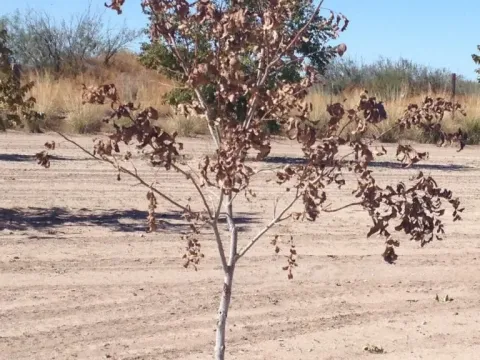
Above-ground symptoms often appear gradually, starting with thinning of the canopy and a pale, chlorotic appearance of the leaves. Trees may exhibit a slow decline that can be mistaken for nutrient deficiency.
Dieback of branches is common in advanced stages of infection. The tree loses its vigor, and foliage may wilt or drop prematurely, reflecting the inability of the damaged root system to transport water.
The most diagnostic symptom is found at the root collar. By scraping away the outer bark, you may find necrotic, reddish-brown discoloration of the inner bark and cambium layers.
A foul, fermented odor may be present near the collar region in cases of severe decay. In some instances, dark exudates may ooze from cracks in the bark of the lower trunk.
The feeder roots are the first to be destroyed, leading to the overall collapse of the tree. When roots are excavated, they appear blackened, brittle, and significantly reduced in volume.
Excessive soil moisture is the primary driver of disease development. Sites with poor drainage or heavy clay soils provide the necessary aquatic environment for the pathogen's zoospores to migrate.
Periods of high rainfall or over-irrigation significantly increase the risk of infection. Standing water around the trunk collar provides the perfect condition for Phytophthora caryae to initiate colonization.
The pathogen is most active in warm soil temperatures, generally between 18°C and 25°C. During these conditions, the growth of the pathogen and the infection rate of roots are at their peak.
Injuries to the root system, whether from soil insects or cultural practices like deep plowing, expose internal tissues to infection. These wounds serve as entry points for the pathogen.
Poor orchard sanitation and overcrowding can also exacerbate the spread. Trees under stress from lack of oxygen due to compacted soil are significantly more susceptible to the disease.
Phytophthora root rot is a devastating disease that can lead to the death of entire pecan trees. This results in significant financial losses, especially in mature, high-yielding orchards.
The disease reduces the vigor and production capacity of trees long before they show lethal symptoms. Nut quality and yield decrease as the tree’s capacity to distribute nutrients is impaired.
Management costs are high, including the need for preventative soil treatments and the expensive process of removing and disposing of infected trees to protect the rest of the orchard.
Once a site is infested, it remains a liability for years. It is often necessary to avoid replanting pecans in the same spot for a considerable period to allow pathogen populations to decline.
For nursery owners, this disease is a major threat. A single infected batch of seedlings can ruin a production cycle and lead to severe economic and reputational damage.
The cornerstone of management is selecting sites with excellent soil drainage. Avoiding low-lying areas where water collects is the most effective preventative measure.
Using certified, disease-free nursery stock is essential. Always inspect new trees carefully before planting and ensure that they come from reputable sources with strict sanitation protocols.
Irrigation management should focus on avoiding prolonged saturation of the root zone. Drip irrigation systems should be installed to prevent water from accumulating around the trunk.
- Regular monitoring of tree health and root collar condition;
- Sanitizing pruning and cultivation equipment to prevent cross-contamination;
- Removing and destroying heavily infected trees and surrounding soil;
- Applying specific fungicides labeled for Phytophthora control when necessary.
While chemical treatments can help, they are not a cure-all. They work best when combined with rigorous cultural practices, such as soil aeration and maintaining a balanced nutritional program for the trees.