
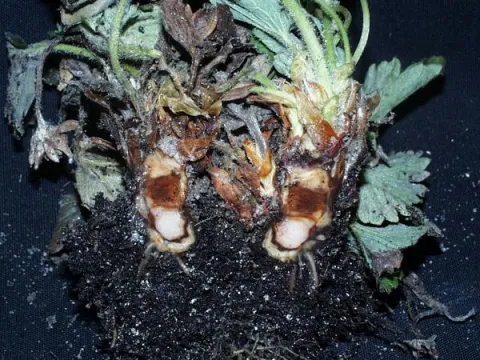
Phytophthora cactus rot
Phytophthora cactorum
The causative agent of this disease is the oomycete Phytophthora cactorum. It is a soil-borne pathogen that belongs to the group of fungus-like organisms known as water molds, capable of surviving in the soil for extended periods as dormant oospores.
What the section contains
Phytophthora cactus rot
This pathogen has a broad host range, affecting various plant species, but it is particularly devastating to cacti and succulents. It spreads through motile zoospores that require water to travel through the substrate and infect the roots or stem tissues.
The pathogen initiates the infection process by secreting enzymes that break down plant cell walls. This allows the mycelium to penetrate deeper into the cactus tissues, disrupting the vascular system and absorbing nutrients from the host.
Phytophthora cactorum thrives in aquatic environments. Its ability to reproduce rapidly in water-logged conditions makes it a significant threat in greenhouse environments where overhead watering or poor drainage is present.
The survival mechanism of the oospores makes this pathogen extremely resilient. Even after drying out, these spores can reactivate once moist conditions return, posing a continuous threat to cactus collections.
The primary symptom of Phytophthora rot is the appearance of soft, water-soaked spots on the stem or near the root crown. These areas often turn dark brown or greyish as the tissue dies.
As the infection progresses, the inner tissue of the cactus becomes mushy and decomposed. While the outer epidermis may appear intact for some time, the structure underneath turns into a liquid or fibrous mass.
Root rot is a common manifestation, leading to the rapid decline of the plant. Infected cacti often lose their stability, become limp, and may suddenly topple over due to the complete destruction of the root system.
In humid conditions, a sparse white mold may become visible on the surface of the infected area. This is the sporulation stage, indicating that the pathogen is ready to spread to nearby healthy plants.
- Dark, sunken, water-soaked patches on the stem.
- Soft, mushy interior tissues upon examination.
- Sudden loss of turgor and collapse of the cactus.
- Death and blackening of the roots.
- Foul odor emitted by the decomposing plant tissues.
The development of Phytophthora rot is directly linked to excess moisture in the soil. Overwatering or lack of drainage creates an oxygen-depleted environment that favors the survival and activity of Phytophthora cactorum.
Cooler temperatures combined with high soil moisture create an ideal climate for the infection to flourish. These conditions slow down the cactus's metabolic processes while providing a perfect breeding ground for the pathogen.
Using non-sterilized soil is the most common cause of contamination. If soil taken from the garden contains dormant oospores, the infection can start as soon as the first watering occurs.
Physical injuries to the roots or stem during repotting provide direct entry points for the pathogen. Once a wound is present, the zoospores in the soil can easily enter the vascular system.
Poor airflow around the plants and high humidity levels contribute to the spread of the disease. Stagnant air prevents the top layer of the substrate from drying out, keeping the pathogen active for longer.
This disease is extremely lethal because it rapidly destroys the vascular system of the cactus. Once the tissues are invaded, the plant can no longer transport water or nutrients, leading to death within a few days.
The speed of progression makes this disease particularly harmful. By the time visible symptoms like wilting or discoloration appear, the infection is often systemic and irreversible.
Phytophthora rot has high infectivity in a closed collection. A single contaminated pot can rapidly infect its neighbors through splashing water during irrigation, potentially leading to the loss of an entire collection.
Beyond the loss of individual plants, the disease leaves behind persistent inoculum in pots, benches, and tools. This requires extensive and costly disinfection procedures to prevent recurrent outbreaks in the future.
The economic impact is high for both hobbyists and professional growers. The loss of rare, slow-growing specimens that require years to reach maturity is a significant concern for the succulent enthusiast community.
Prevention starts with strict irrigation management. Allowing the substrate to dry out completely between waterings is the most effective way to inhibit the activity of the pathogen.
Using a fast-draining, high-porosity mineral substrate is essential for cactus health. Ensure that all pots have adequate drainage holes to prevent water accumulation at the bottom.
Always sterilize your substrate before use by heating it to ensure all pathogens are eradicated. Additionally, quarantine any new plants for at least a month before introducing them to your collection.
If an infection is detected, immediately remove the plant from the area. Cut away all affected tissue using a sterile blade, treat the wound with a fungicide, and let it callus before attempting to reroot it, if possible.
Systemic fungicides containing active ingredients like fosetyl-aluminum or metalaxyl are recommended for prevention and control. These chemicals interfere with the oomycete's life cycle and provide a protective barrier.