
Phytophthora cinnamomi
Phytophthora cinnamomi
Description
Symptoms
The early symptoms of Phytophthora cinnamomi infection often mimic drought stress: the foliage begins to yellow, wilt, and droop even if the soil remains moist.
As the disease progresses, one may observe significant dieback of branches and twigs, along with a general thinning of the canopy and premature leaf drop.
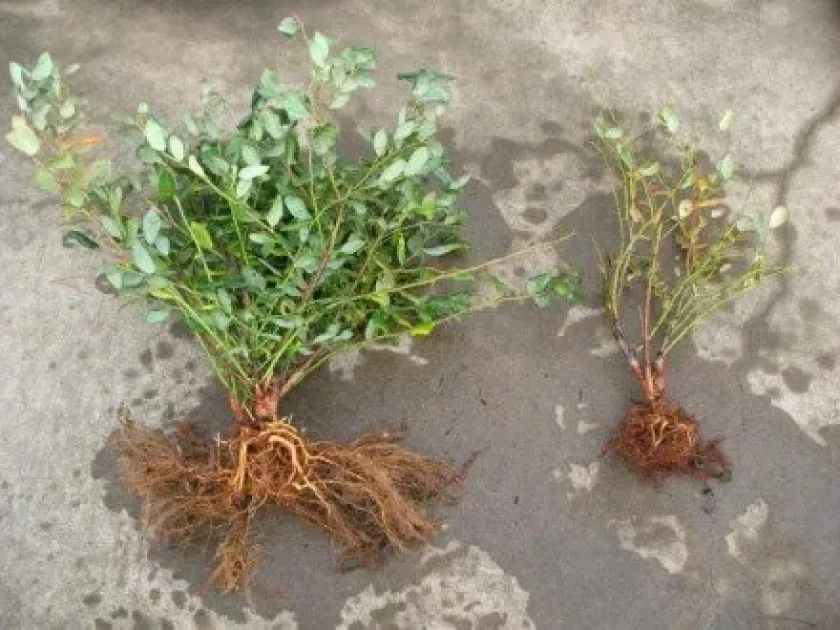
A closer inspection of the roots reveals distinctive browning or blackening of the tissue, which eventually becomes soft, necrotic, and easily sloughs off when handled.
In some tree species, the infection can manifest as dark, fluid-oozing cankers at the base of the trunk near the soil line, indicating that the pathogen has reached the crown.
- Yellowing and drooping of leaves
- Branch dieback and canopy thinning
- Necrotic, black, and brittle roots
- Exudation of sap from basal stem cankers
Pathogen
Phytophthora cinnamomi is a soil-borne oomycete, often referred to as a water mold, which acts as a devastating parasite on the root systems of a vast array of plant species.
The pathogen utilizes motile zoospores to navigate through water-saturated soil, allowing it to efficiently reach the root hairs of susceptible hosts to initiate infection.
Under stressful environmental conditions, it produces chlamydospores, which are thick-walled resting structures that enable the organism to survive in the soil for several years.
This pathogen has an exceptionally wide host range, infecting over 3000 species of plants, including woody ornamentals, fruit trees like avocados, and native flora in diverse ecosystems.
The primary mechanism of damage is the systemic destruction of the fine root system, which prevents the plant from absorbing necessary moisture and essential nutrients.
Conditions for development
The development of Phytophthora cinnamomi is heavily dependent on high soil moisture, with the pathogen thriving in warm temperatures typically between 20°C and 30°C.
Poorly drained soils, heavy clay textures, and locations subject to periodic waterlogging provide the ideal conditions for the rapid production and spread of zoospores.
Human activities are the primary vector for long-distance dissemination, as the pathogen is frequently transported via contaminated soil on footwear, vehicle tires, and gardening tools.
While the pathogen is most aggressive during wet, warm months, it remains latent in the soil during colder periods, ready to reactivate once conditions improve.
Disturbed soil environments, such as construction sites or areas with high foot traffic, often see an increase in outbreaks due to altered hydrological conditions.
Why it matters
Phytophthora cinnamomi is responsible for massive economic losses in commercial agriculture, particularly in the avocado and pineapple industries, where it can wipe out entire plantations.
In conservation forestry, the pathogen poses an existential threat to biodiversity by killing native tree species and altering the structure of forest ecosystems.
The pathogen's longevity in the soil means that once an area is infested, it remains a long-term liability, making the site unsuitable for replanting susceptible species.
The loss of mature trees leads to negative ecological impacts, such as increased soil erosion and the disappearance of habitats for local fauna.
Because the disease is often systemic and well-established before visible symptoms appear above ground, successful recovery of the affected plants is rare.
Protection
The most effective strategy is prevention, which requires the strict use of certified disease-free nursery stock to avoid introducing the pathogen into clean soil.
Site management must focus on improving soil drainage through the installation of sub-surface drainage systems or by planting on raised beds to minimize root exposure to water.
Fungicides, particularly those containing phosphite compounds, are often applied as a curative or preventative measure to enhance the host plant's defense mechanisms.
Sanitation practices, such as disinfecting tools with appropriate chemicals and washing boots between different areas of the field, are critical to prevent cross-contamination.
When an outbreak is identified, all infected plants should be removed, including their root systems and surrounding soil, to reduce the local inoculum density.
Discussion
No discussions yet — be the first.