
Physopella
Physopella
Physopella is a genus of fungi belonging to the order Pucciniales, responsible for causing rust diseases in various plant species. These fungi are obligate parasites, meaning they depend entirely on the host plant for survival and reproduction.
What the section contains
Physopella
The disease cycle involves the production of different types of spores, specifically urediniospores, which are responsible for the rapid spread of the pathogen during the growing season. These spores can travel long distances via wind currents.
Physopella fungi penetrate plant tissues, usually through stomata, and colonize the intercellular spaces, absorbing nutrients directly from the host cells. This interaction significantly weakens the plant.
The ability of these pathogens to overwinter or survive on alternative hosts allows them to re-emerge year after year, posing a constant threat to agricultural productivity in susceptible regions.
Genetic diversity within the Physopella species makes it challenging to develop cultivars that maintain long-term resistance, as the pathogen constantly adapts to new environmental conditions.
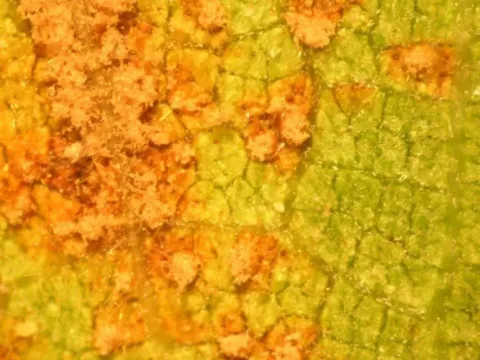
The primary symptom of a Physopella infection is the appearance of pustules on the foliage, which typically present as yellow, orange, or reddish-brown clusters of spores.
Pustules are most commonly found on the abaxial (underside) surface of the leaves, though severe infections can affect the entire plant, including stems and petioles.
As the disease progresses, the areas around the pustules often turn chlorotic or necrotic, indicating severe damage to the plant's photosynthetic machinery.
Severe infestations lead to premature leaf senescence and abscission, which can leave the plant defoliated and unable to sustain adequate crop yield.
- Formation of rust-colored spore pustules
- Yellowing and necrosis of infected leaf tissues
- Premature leaf drop
- Stunted plant growth and development
- Decreased crop quality and harvestable yield
The development and dissemination of Physopella are heavily dependent on climatic factors, particularly high humidity and moisture levels during the growing season.
Optimal conditions for infection include temperatures ranging from 18°C to 25°C accompanied by prolonged periods of leaf wetness, such as dew or frequent rainfall.
High relative humidity facilitates the germination of spores and their subsequent penetration into the plant host, leading to rapid infection cycles.
Agricultural practices that promote high plant density often create microclimates with poor air circulation, which helps maintain the humidity levels necessary for the pathogen's success.
Extended periods of cloud cover and lack of direct sunlight prevent leaves from drying, providing the fungus with an extended window of opportunity for active colonization.
The main impact of Physopella is the substantial reduction in the photosynthetic area of the plant, which prevents the efficient accumulation of carbohydrates needed for yield development.
Infected crops suffer from reduced vigor, making them more susceptible to drought, secondary infections by opportunistic pathogens, and insect infestations.
In cases of early-season infection, the crop may suffer from poor grain filling or fruit development, resulting in significantly lower market value and reduced nutritional quality.
The cumulative effect of widespread infection can result in severe economic losses, as the crop's yield potential is compromised across entire fields or regions.
Beyond direct yield loss, the cost of labor and chemical inputs required to manage the disease adds significant financial strain on agricultural producers.
Integrated Pest Management (IPM) is the best approach for controlling Physopella, starting with the selection of resistant or tolerant crop varieties suited for the region.
Cultural practices, such as proper crop rotation and the removal of infected plant debris, are essential for reducing the amount of primary inoculum in the field.
Effective chemical control relies on the timely application of systemic fungicides, such as triazoles or strobilurins, during the early stages of disease development.
Maintaining optimal plant spacing and balanced soil fertility can improve the overall health of the crop, making it less prone to severe disease outbreaks.
Regular field scouting is critical for early detection, allowing for precise and effective fungicide applications that can prevent the disease from reaching epidemic proportions.