
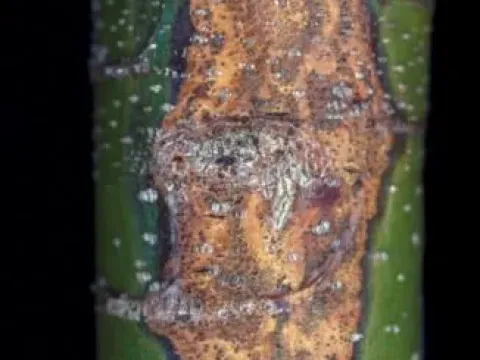
Phomopsis arnoldiae
Phomopsis arnoldiae
The disease is caused by the fungus Phomopsis arnoldiae, a member of the deuteromycetes class, which typically attacks the bark and cambium of woody plants.
What the section contains
Phomopsis arnoldiae
The life cycle of this pathogen involves the production of pycnidia, small fruiting bodies that release masses of conidia under favorable humidity conditions.
The fungus is capable of surviving for long periods within infected plant debris, bark fissures, and buds, acting as a persistent source of inoculum.
Once established, the mycelium penetrates deep into the vascular tissue, causing significant structural damage and hindering the transport of nutrients.
Spore dissemination occurs primarily via splashing rain, wind currents, and mechanical transmission through contaminated pruning tools or insect activity.
Initial symptoms include the appearance of small, sunken necrotic lesions on twigs and branches, which gradually expand as the infection progresses.
The bark in the affected areas often exhibits cracking and splitting, revealing the underlying woody tissue, which may become discolored or necrotic.
Tiny black structures, known as pycnidia, erupt through the surface of the bark, appearing as small dots that signify the maturation of fungal spores.
As the infection affects the water-conducting vessels, leaves may show signs of yellowing, wilting, and premature senescence or leaf drop.
- Sunken necrotic lesions on twigs and branches
- Eruption of black pycnidia on dead bark surfaces
- Premature leaf yellowing and shedding
- Dieback of twigs and branches due to vascular blockage
Phomopsis arnoldiae thrives in environments characterized by high relative humidity and moderate temperatures, which are optimal for spore germination.
Plants that have sustained mechanical injuries, winter frost damage, or improper pruning are significantly more vulnerable to infection by this fungus.
Dense planting schemes that restrict airflow create microclimates where moisture persists on foliage and bark, facilitating rapid fungal proliferation.
Poor plant vigor, often resulting from nutritional imbalances or environmental stress, decreases the tree's natural ability to compartmentalize and resist infections.
Wet weather patterns during the growing season significantly increase the risk of disease spread, as rain helps disperse the spores across the canopy.
The disease causes significant damage by inducing branch dieback, which reduces the overall aesthetic and economic value of the host plant.
If the infection reaches the main trunk, it can lead to the death of the entire plant by disrupting the flow of essential water and nutrients.
Damaged tissues create entry points for secondary infections, including opportunistic bacteria and decay fungi, complicating the long-term management of the plant.
Commercial growers face financial losses due to decreased productivity, the cost of extensive sanitation, and the potential need for tree replacement.
In nursery settings, Phomopsis can lead to large-scale quarantine issues and rejection of plant material, severely impacting operational viability.
The primary management strategy involves regular pruning and removal of all symptomatic tissues, ensuring the cut is made into healthy wood.
It is critical to disinfect pruning tools after each cut and apply protective fungicides to the wounds to prevent reinfection during the healing process.
Implementing a regular spray program with copper-based or systemic fungicides helps maintain a protective layer and prevents new infections from taking hold.
Improving general plant health through proper fertilization, adequate watering, and pest management increases the tree's resilience against the fungus.
Maintaining clear orchard hygiene by removing all pruning debris from the site is essential to break the infection cycle and reduce the inoculum load.