
Phomopsis cane and leaf spot
Diaporthe baccae
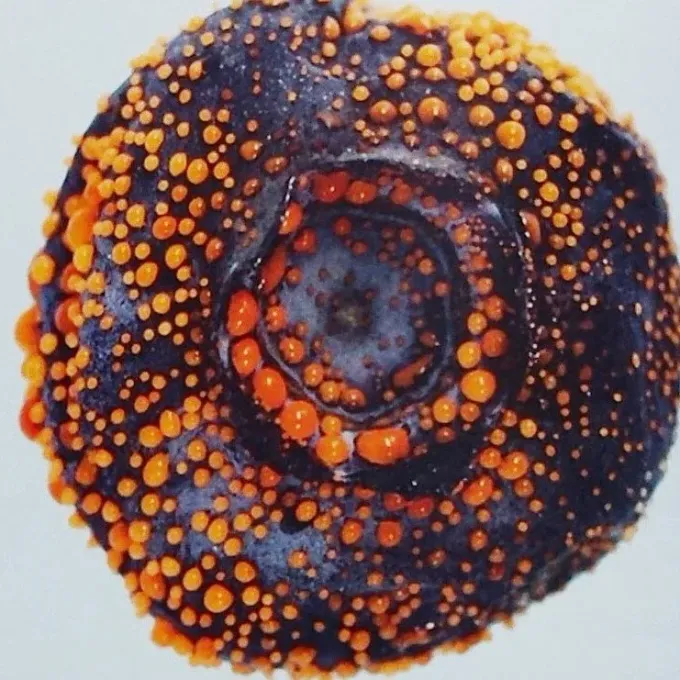
Description
Symptoms
Initial symptoms include elongated, dark spots on young shoots, which eventually become necrotic. As these lesions mature, the epidermis often cracks, creating deep fissures that weaken the shoot structure.
Leaf infection is characterized by small, angular spots that are dark brown or black in color, often surrounded by a chlorotic halo. Heavy infection can lead to leaf yellowing, tissue necrosis, and premature defoliation.
Fruits are susceptible during the ripening phase. Infection typically begins at the pedicel, causing the berries to soften, discolor, and become covered in tiny black fungal fruiting bodies known as pycnidia.
Flower clusters may dry out and shatter before the fruit set is complete. The infection of peduncles prevents nutrients from reaching the developing berries, leading to shriveled or aborted fruit clusters.
Overall plant appearance typically reflects chronic stress, including stunted growth, terminal leaf chlorosis, and the progressive dieback of canes that are no longer receiving adequate vascular flow.
Pathogen
The disease is caused by the ascomycete fungus Diaporthe baccae (anamorph: Phomopsis viticola or related species of the Phomopsis complex). This pathogen is known for its destructive impact on various berry crops and grapevines.
The fungus survives the winter in infected plant tissues, specifically within canes, leaf petioles, and fruit stems, existing as dormant mycelium or pycnidia. It emerges in spring when favorable moisture and temperature conditions are met.
Propagation is facilitated by conidia produced in pycnidia. These spores are disseminated via splashing rain droplets or wind, spreading the infection from primary sources to healthy parts of the plant canopy.
Infection occurs through wounds, lenticels, or stomata. Once inside, the fungus colonizes the host tissue, disrupting the vascular system and causing progressive degradation of the plant's structural integrity.
The biology of Diaporthe baccae relies heavily on environmental triggers. Understanding its life cycle is essential for timely detection, as symptoms often develop slowly after the initial colonization period.
Conditions for development
Development of Phomopsis is highly correlated with prolonged wet and cool weather during the spring season. Optimal spore germination and infection occur at temperatures between +10 and +20 degrees Celsius.
Dense planting configurations and poor canopy ventilation create a microclimate with high humidity. This environment prevents rapid drying of tissues, allowing the fungus sufficient time to penetrate the host cells.
Frequent rainfall during the blooming and fruit-set stages is particularly dangerous, as it facilitates the wide dispersal of conidia and creates prolonged wetting periods essential for the pathogen's lifecycle.
Mechanical injuries, whether from winter freeze-thaw cycles or improper pruning, provide direct entry points for the pathogen. Plants with existing bark damage are significantly more vulnerable to colonization.
Over-fertilization with nitrogen promotes succulent growth that lacks structural density, making these tissues more susceptible to fungal penetration and rapid disease progression.
Why it matters
The primary concern with Phomopsis is its systemic nature. Because the pathogen colonizes woody tissues, it can persist in the plant for several years, leading to the gradual decline and eventual death of the entire plant.
Economic losses can be substantial, often ranging from 30% to 60% of the potential yield, due to both direct fruit loss and the destruction of the fruiting canes required for subsequent seasons.
The disease significantly lowers the cold-hardiness of the crop. Infected canes do not lignify (harden) properly, making them highly susceptible to winter injury and leading to increased stand loss in colder climates.
Product quality is severely compromised. Affected fruit is often unmarketable due to aesthetic defects, poor flavor profiles, and reduced shelf life, failing to meet the standards for fresh market distribution.
Management costs increase due to the necessity of continuous monitoring, preventative fungicide applications, and the extra labor required to remove infected wood from the orchard or vineyard.
Protection
Sanitation is the cornerstone of effective management. Pruning and removing all infected canes during the dormant season is vital, as these represent the primary inoculum source for the following year.
Fungicide programs should be implemented preventatively, focusing on the early growth stages (from bud break). Rotating chemical classes is recommended to delay the development of fungicide resistance.
Maintaining proper canopy architecture through training and pruning improves airflow and sunlight penetration. This promotes faster drying of foliage, which is critical for inhibiting fungal spore germination.
Nutrient management focusing on balanced potassium and phosphorus levels strengthens cell wall integrity, which enhances the plant’s natural physical defense against invading fungal hyphae.
Sterilizing pruning tools with appropriate disinfectants between vines or trees is a critical hygiene measure to prevent the mechanical spread of spores across the healthy portions of the field.
Discussion
No discussions yet — be the first.