
Phellinus ferreus
Phellinus ferreus
Phellinus ferreus is a species of wood-decay fungus in the Hymenochaetaceae family, commonly recognized as a cause of white rot in various hardwood species.
What the section contains
Phellinus ferreus
The fungus acts as a necrotrophic pathogen, entering the tree through bark wounds, pruning cuts, or frost-damaged areas where the inner wood is exposed.
Once established, the mycelium secretes enzymes that break down lignin and cellulose, which are the primary components providing structural integrity to tree wood.
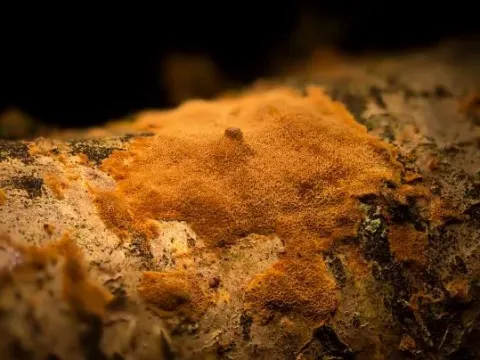
The fruiting bodies of this fungus appear as hard, rusty-brown to dark-black crusts or shelves, often found tightly attached to the bark of the trunk or branches.
Reproduction is primarily achieved through spores released by the fruiting bodies, which spread through the air or rain splash to colonize susceptible hosts.
The presence of rusty-brown to black fungal crusts on the trunk or main branches is the most visible sign of an advanced Phellinus ferreus infestation.
Internal wood decay manifests as white, spongy, or fibrous patches, indicating that the fungus has been actively consuming the heartwood of the tree.
Tree canopy symptoms often include thinning leaves, premature leaf fall, and the dieback of specific branches that have lost their nutrient and water supply.
Cracking bark or peeling areas on the main stem are often associated with the areas where the fungal mycelium is most active.
- Development of hard, shelf-like fruiting bodies.
- Presence of white, rotten areas within the wood tissue.
- Brittle and weakened branches prone to snapping.
- Gradual decline and dieback of the crown.
Phellinus ferreus thrives in humid environments, particularly in shaded or densely planted areas with limited air movement that promotes prolonged bark wetness.
The fungus is highly opportunistic, meaning it establishes itself most successfully in trees that have suffered prior mechanical injuries or environmental stress.
Optimum growth for the mycelium occurs at temperatures ranging from 18 to 25 degrees Celsius, making spring and autumn favorable for active spread.
The presence of decaying stumps or woody debris near healthy trees significantly increases the inoculum load in the orchard or forest environment.
Lack of proper tree maintenance, such as neglecting wound sealing, creates ideal entry points that facilitate rapid colonization by the fungus.
The main harm caused by Phellinus ferreus is the degradation of the tree's vascular system, which severely hinders the upward transport of water and mineral nutrients.
Structural damage is a critical concern, as the fungus significantly reduces the wood's density, creating a high risk of tree failure or limb breakage during windstorms.
The decline is often slow but progressive, ultimately leading to the death of the tree once the decay reaches a critical threshold in the trunk.
Economic impact is high in plantations, as affected trees must be removed and the site cleared to prevent the spread of the fungus to younger, healthier stock.
The pathogen is difficult to eradicate once it has moved deep into the heartwood, making long-term tree health management challenging for arborists.
Preventive care is the primary method of control, focusing on minimizing bark injuries and ensuring that all pruning cuts are clean and protected.
Application of wound paint or antifungal pastes to larger pruning cuts is essential to prevent fungal spores from accessing the exposed wood surface.
Sanitation practices involve the timely removal and destruction of dead wood and fruiting bodies found on the trees to reduce the overall spore count in the area.
Maintaining tree vigor through proper irrigation and balanced fertilization helps the tree develop its natural defenses against potential fungal pathogens.
Regular inspections, especially after severe weather, are recommended to identify early signs of fungal fruiting bodies and intervene before significant decay occurs.