
Phellinus plum rot
Phellinus pomaceus
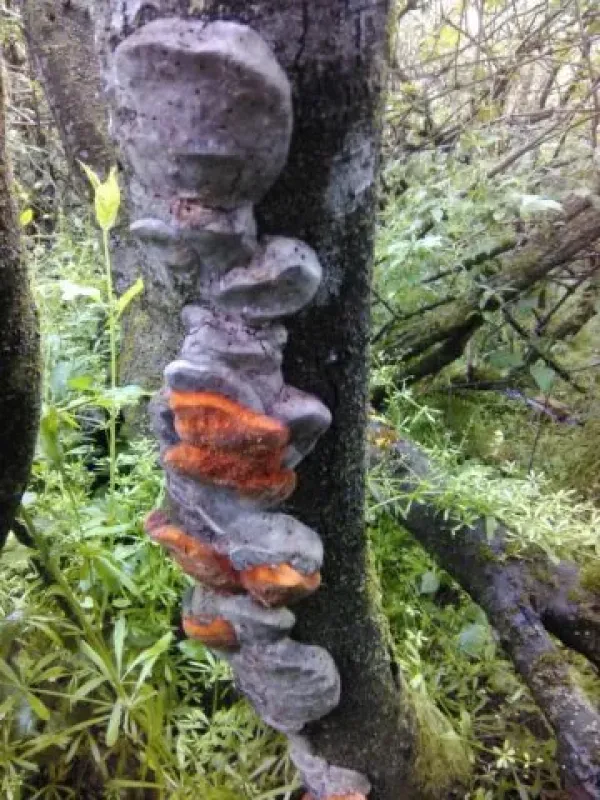
Description
Symptoms
The most distinctive sign of infestation is the appearance of hoof-shaped or cushion-like fruiting bodies on the trunk and main scaffold branches, typically grey or black in color.
When the wood is cut, a characteristic white or yellowish rot is visible, often separated by thin, dark black lines that act as boundaries for the fungal expansion.
External symptoms often include thinning of the foliage, premature yellowing of leaves, and the progressive dieback of major branches, signaling advanced internal damage.
The bark near the site of the fungal growth frequently becomes cracked, brittle, and may detach from the trunk, eventually revealing deep cavities or hollows.
In later stages, the trunk becomes structurally unstable, and affected trees may exhibit reduced growth rates and poor fruit quality due to the impaired flow of nutrients.
Pathogen
The causal agent of this disease is the fungus Phellinus pomaceus, a wood-decay basidiomycete that specifically targets stone fruit trees such as plums, apricots, and cherries.
The pathogen infects trees primarily through open wounds in the bark, where it establishes its mycelium deep within the heartwood, consuming essential structural components.
As a white rot fungus, it secretes enzymes that break down lignin, systematically destroying the structural integrity of the tree's internal vascular and support systems.
The lifecycle includes the formation of perennial fruiting bodies, which serve as long-term spore-producing structures that release spores into the orchard environment.
This fungus is highly persistent and can survive within the decaying wood for many years, continuing its cycle even if the host tree is significantly weakened or partially dead.
Conditions for development
Infection is heavily dependent on the presence of entry points such as frost cracks, sunburned bark, improper pruning cuts, or damage caused by garden machinery.
High humidity and mild temperatures are ideal for spore germination, allowing the fungus to colonize wounded tissues effectively during the growing season.
Orchards that lack proper maintenance, such as those with dense, unpruned canopies, provide a protected microclimate that favors the spread of fungal spores.
Trees under stress from drought, poor soil fertility, or insect infestations are significantly more susceptible to colonization by the fungus.
Failure to sanitize pruning tools or seal large cuts after trimming allows the pathogen to bypass the tree's natural defense mechanisms.
Why it matters
The primary danger is the development of extensive heartwood decay, which leads to the loss of mechanical strength and poses a significant risk of branch or trunk failure.
Infected trees suffer from reduced productivity, as the destruction of internal tissues interrupts the transportation of water and essential minerals to the crown.
The disease is chronic and progressive; once the heartwood is colonized, the damage is typically irreversible, eventually leading to the death of the tree.
Fungal fruiting bodies act as persistent sources of inoculum, facilitating the spread of the disease to adjacent healthy trees within the orchard via airborne spores.
Economic losses are significant due to the need for tree removal and the potential for premature orchard decline, affecting long-term fruit yields.
Protection
Effective management focuses on prevention, beginning with proper pruning techniques that ensure rapid healing and minimize the creation of large open wounds.
All pruning cuts, especially those exceeding 2-3 cm in diameter, should be sealed with horticultural paints or fungicides to prevent opportunistic infections.
Regular inspection of the orchard is crucial; any fruiting bodies found should be physically removed and destroyed away from the planting site to reduce spore pressure.
Maintaining tree vigor through balanced fertilization and appropriate irrigation helps the tree bolster its natural resistance against wood-decaying pathogens.
If a tree is found to have extensive internal rot, complete removal and stump extraction are often the only way to prevent the disease from spreading to healthy neighbors.
Discussion
No discussions yet — be the first.