
Phellinus parmastoi
Phellinus parmastoi
Description
Symptoms
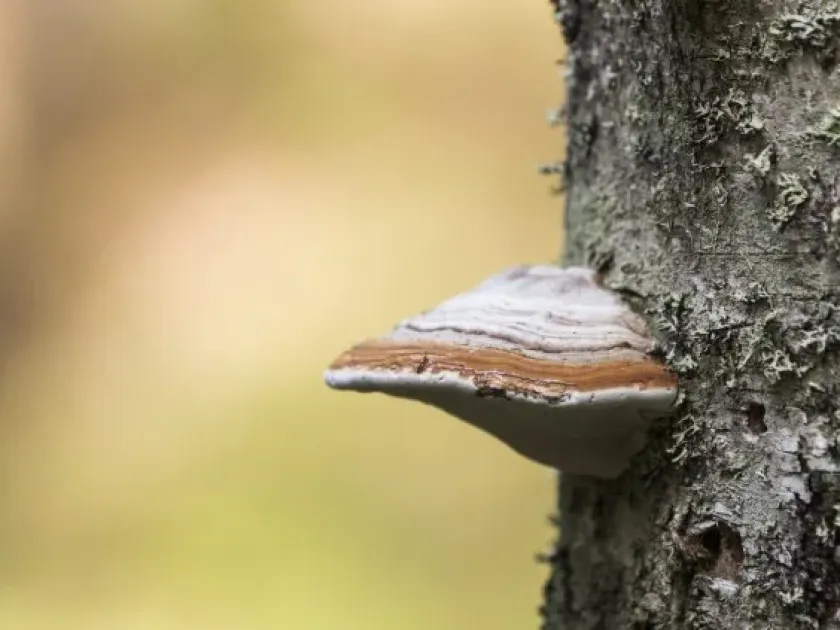
The most visible sign is the presence of fungal conks (fruiting bodies) on the trunk. These are usually concentrated around old wounds, knots, or near the base of the tree.
Examination of the wood revealed during cross-sections shows significant discoloration, often accompanied by dark, irregular zones of fungal growth. The texture of the timber becomes soft and brittle.
A hollow sound upon tapping the trunk with a mallet is a strong diagnostic indicator of internal decay. Advanced stages of rot often result in a significant loss of wood density inside the stem.
Foliar symptoms include yellowing, premature thinning of the crown, and the death of individual branches. These signs occur as the fungus interferes with the tree's vascular system, hindering water transport.
Late-stage infection often results in structural failure, such as wind-throw or trunk breakage. When a tree fails, the internal presence of extensive decay becomes clearly visible at the point of fracture.
Pathogen
The disease is caused by the wood-decay fungus Phellinus parmastoi, a basidiomycete that acts primarily as a saprotroph but can behave as a parasite on stressed host trees.
This pathogen targets the heartwood of trees, causing extensive white or brown rot. By secreting specialized enzymes, the fungus breaks down complex organic structures like lignin and cellulose, compromising the wood's integrity.
The fruiting bodies of Phellinus parmastoi are perennial and woody. They typically appear as hoof-shaped structures on the trunks of infected trees, featuring a dark, rough exterior and a porous underside.
The fungus spreads via airborne spores. These spores germinate when they settle in wounds on tree bark, such as frost cracks, broken branches, or insect-damaged areas, allowing the mycelium to colonize the tree.
Once established, the fungal mycelium grows slowly but continuously. Over time, it colonizes the internal tissues, gradually spreading from the inner core toward the sapwood until the tree becomes hollow.
Conditions for development
High humidity and moderate temperatures are ideal for the growth of Phellinus parmastoi. Moist microclimates within dense or poorly managed forests facilitate the germination of spores.
Physical injuries to the bark are essential for infection. Any breach in the protective layers of the tree allows the fungus to gain direct access to the interior tissues where it can safely thrive.
Stressed trees, particularly those suffering from drought or soil nutrient deficiencies, show reduced defensive capabilities against fungal invasions, making them more susceptible to colonization.
Old, rotting logs and stumps act as permanent reservoirs for the pathogen. In these sites, the fungus remains active for years, releasing spores whenever weather conditions are favourable.
Poor site hygiene, such as leaving diseased wood or debris near healthy trees, increases the overall risk of infestation. Efficient forest management is critical to breaking the disease cycle.
Why it matters
The primary economic impact is the degradation of timber quality, rendering the wood useless for high-value construction or furniture production due to the severity of the rot.
The fungus presents a major safety risk in public areas and forests. Trees weakened by decay are prone to sudden failure, posing dangers to pedestrians, infrastructure, and forestry workers.
Ecologically, the infection reduces the lifespan of trees, leading to the premature death of specimens. This disrupts forest succession and alters the habitat for local wildlife.
Management costs associated with monitoring and removing infected trees place a significant burden on forestry departments and property owners tasked with public safety.
The progressive loss of stand volume and density due to Phellinus parmastoi reduces the overall productivity and carbon sequestration potential of the affected forest ecosystem.
Protection
Sanitation is the most effective control method. Proactive removal of trees showing fruiting bodies is essential to reduce the total spore load and limit the spread to neighboring trees.
Preventing mechanical damage during logging or maintenance operations is crucial. Careless machinery use or pruning that leaves large, unprotected wounds can invite infection.
For high-value specimen trees, prophylactic measures can include careful pruning and the application of wound dressings to ensure the tree heals properly before pathogens can invade.
Promoting tree health through appropriate silvicultural practices helps trees build natural defenses. Proper spacing and soil management reduce the competitive stress that makes trees vulnerable.
Disinfecting tools between trees is a vital standard practice. Cleaning saws and other equipment with appropriate disinfectants prevents the transmission of mycelial fragments during regular maintenance.
Discussion
No discussions yet — be the first.