
Phellinus wahlbergii
Phellinus wahlbergii
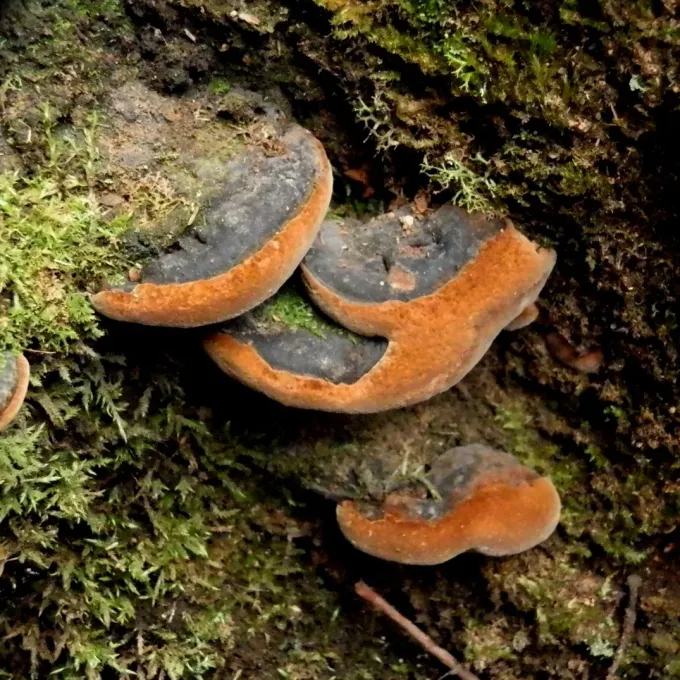
Description
Symptoms
The most diagnostic sign of Phellinus wahlbergii infection is the appearance of woody conks (fruiting bodies) on the surface of the trunk. They are commonly found near previous injury sites or branch stubs where the heartwood is exposed.
Affected trees often show signs of crown thinning, yellowing leaves, and reduced vigor. This decline is a result of the disrupted nutrient and water transport system caused by the extensive decay within the stem.
Internal wood inspection reveals significant degradation. The infected wood loses its natural color and hardness, often becoming pale, fibrous, and spongy, which is a hallmark of white rot pathogens.
Resin or sap flow on the bark surface can occur as the tree attempts to compartmentalize the infection. However, given the aggressive nature of this fungus, these defense mechanisms are frequently insufficient to stop the spread of mycelium.
Structural failure is a common late-stage symptom. As the internal heartwood is consumed by the fungus, the stem loses its load-bearing capacity, leading to potential stem breakage, especially during periods of high wind or heavy rain.
Pathogen
Phellinus wahlbergii is a perennial wood-decay fungus belonging to the Hymenochaetaceae family. It primarily acts as a pathogen of woody plants, causing white rot in trees throughout tropical and subtropical environments.
The fungus is highly specialized in degrading lignin and cellulose, which are the main structural components of wood. Through the secretion of specific enzymes, the mycelium penetrates deep into the heartwood, progressively weakening the tree's internal structure.
Its fruiting bodies (basidiocarps) are typically hoof-shaped or resupinate, featuring a dark, hard, and woody surface. These structures are robust, allowing the fungus to survive long periods and continue sporulation even under adverse weather conditions.
The fungus acts both as a parasite on living trees and as a saprotroph on dead wood. This dual lifestyle ensures its survival in the forest environment, providing a constant reservoir of inoculum for new infections.
Dissemination occurs primarily via wind-borne spores. These spores enter the host through physical injuries such as broken branches, frost cracks, or mechanical damage, where they find a suitable microenvironment to germinate and colonize the wood.
Conditions for development
High humidity and consistent, warm temperatures create the ideal environment for the growth and reproduction of Phellinus wahlbergii. The fungus thrives where moisture levels in the wood remain relatively stable.
Open wounds serve as the primary infection pathway. Any breach in the bark caused by insects, wildlife, or human activities provides the fungus with the necessary access to the susceptible heartwood.
Stand density significantly impacts the rate of spread. In dense forest stands, the fungus can spread more easily via root grafts or through direct contact between the branches of infected and healthy trees.
Trees under physiological stress, whether from drought, nutrient deficiency, or overcrowding, exhibit lower defensive capabilities, making them significantly more prone to successful colonization by the pathogen.
The long growing season in the tropics supports year-round development of the fungus. This continuous growth cycle allows for frequent sporulation, increasing the density of spores in the air and the risk of infection for surrounding trees.
Why it matters
The primary economic impact is the total loss of timber quality. Wood affected by this decay is structurally compromised, rendering it unsuitable for structural timber, construction, or high-value woodworking purposes.
Disease development causes a substantial reduction in growth rates. The energy the tree would normally allocate to biomass production is diverted to maintaining structural integrity and attempting to wall off the infection, reducing forest productivity.
Ecological harm includes the premature death of susceptible species within forest ecosystems. This shift can disrupt natural successional patterns and impact the diversity of the local flora and fauna that depend on these trees.
Management costs associated with the disease are high. Foresters must invest in sanitation logging, tree removal, and disposal to curb the spread of the fungus, placing a financial burden on forest management programs.
Secondary pest infestation is another significant harm. Trees weakened by Phellinus wahlbergii often become magnets for bark beetles and wood-boring insects, which further accelerate the deterioration and eventual death of the host.
Protection
Sanitation is the cornerstone of control. Regularly removing diseased trees and infected debris helps to lower the spore load in the local environment and prevents the spread of the pathogen to healthy individuals.
Preventing mechanical damage to the bark is critical. Care should be taken during silvicultural activities to avoid wounding trees, as each injury creates a potential entry point for fungal spores.
Wound dressing is a recommended practice when pruning is necessary. Applying protective fungicides or sealing pastes to fresh cuts can act as an effective barrier against airborne fungal infections.
Selecting disease-resistant species for reforestation is a proactive approach. Understanding host specificity allows foresters to make informed decisions about species composition in areas known to be endemic for the fungus.
Ongoing research into biological control, such as the use of competitive fungi or beneficial microorganisms, may offer future solutions to suppress the growth of Phellinus wahlbergii within the forest ecosystem.
Discussion
No discussions yet — be the first.