
Penicilliosis
Penicillium spinulosum
The disease is caused by the fungus Penicillium spinulosum, which belongs to the widespread genus Penicillium. It is a filamentous fungus known for its rapid colonization capabilities.
What the section contains
Penicilliosis
The pathogen reproduces primarily through asexual spores called conidia, which are easily dispersed by wind, moisture, or contaminated farming tools.
Penicillium spinulosum acts as a necrotrophic pathogen, secreting enzymes that break down plant tissues to extract nutrients, ultimately leading to decay.
The fungus is highly resilient, capable of persisting in the soil, on plant debris, and within storage infrastructure for extended periods.
It thrives on a wide variety of substrates, ranging from decaying plant matter to stored seeds, making it a ubiquitous threat in agricultural environments.
The hallmark symptom is the appearance of a powdery, fuzzy growth on the affected plant surface, typically displaying a blue-green to grayish-green coloration.
Infected fruits and vegetables exhibit soft, sunken lesions that expand rapidly, turning the interior tissues into a mushy, watery mass.
Seeds affected by the disease often show signs of mold growth, reduced viability, and a distinct musty or earthy odor characteristic of the fungus.
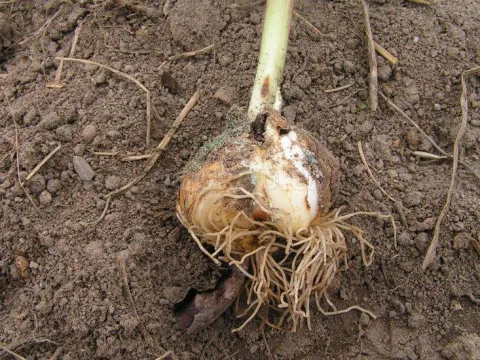
Root crops often show discolored areas on the surface, which later deepen into necrotic lesions that can compromise the entire vegetable.
Advanced stages of the infection are often accompanied by the total loss of structural integrity of the plant tissue, rendering it unsuitable for use.
High relative humidity, typically exceeding 80%, is the primary environmental trigger that promotes the growth and spread of Penicillium spinulosum.
Moderate temperatures ranging from 15°C to 25°C provide an optimal environment for the rapid germination of fungal spores.
Poor ventilation in storage facilities promotes the accumulation of stagnant, humid air, which is highly conducive to mold outbreaks.
Physical injuries, such as cuts, bruises, or punctures during harvest and transport, are the main entry points for the pathogen into the plant host.
The presence of moisture condensation on surfaces, often resulting from temperature fluctuations, creates perfect conditions for rapid secondary infection.
The primary damage occurs during the postharvest period, where the fungus causes significant economic losses by destroying stored produce.
It severely impacts seed quality, leading to poor germination rates and the emergence of weak, diseased seedlings in the field.
Some strains of Penicillium are capable of producing mycotoxins, which can make infected crops unsafe for human consumption or animal feed.
The disease spreads very rapidly in storage, often infecting entire batches of produce through contact from a single infected source.
Infected goods are often rejected by markets and processors, leading to high waste levels and loss of market value for the agricultural producer.
Successful management relies on meticulous harvest practices to minimize physical damage and the prompt removal of field heat from harvested produce.
Maintaining strict storage conditions, including controlled temperatures and low relative humidity, is essential to inhibit fungal development.
Regular sanitation of storage units, containers, and handling equipment using approved disinfectants is critical to reducing inoculum load.
Seed treatments with specialized fungicides are recommended to prevent early-season infections and protect crop establishment.
- Routine inspection of stored crops for signs of rot
- Immediate removal of infected specimens
- Proper crop rotation to manage soil-borne pathogens