
Penicillium mold
Penicillium brevicompactum
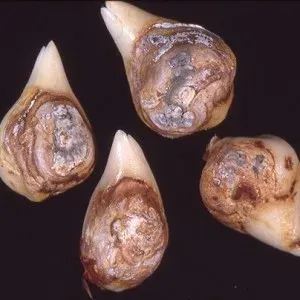
Description
Symptoms
The primary symptom of infection is the emergence of a fluffy, powdery mold coating on the surface of seeds, fruits, or vegetables. The color typically ranges from bluish-green to grayish-green.
Tissues affected by the mold quickly lose their firmness, turning soft and macerated. A distinct, pungent musty odor often accompanies the development of the mold, signaling the advanced decomposition of the material.
Seed infection is characterized by discoloration of the seed coat, inhibited germination, and the development of a mycelial mat that prevents the seedling from emerging properly.
When fruit or vegetable crops are affected, small soft spots appear, which expand rapidly, leading to the collapse of the structure and the spread of the pathogen to adjacent healthy items.
- Bluish-green powdery surface mold
- Strong, musty, characteristic odor
- Loss of tissue integrity and softening
- Reduced germination rate and seed viability
- Rapid focal rot spread within storage batches
Pathogen
The causal agent of this disease is the microscopic fungus Penicillium brevicompactum, a member of the Ascomycota division. It functions primarily as a saprotroph but often acts as an opportunistic pathogen on vulnerable plant tissues.
The organism is characterized by its high resilience and ability to produce vast quantities of conidia, which are easily disseminated by air currents, facilitating rapid spread within agricultural facilities.
This species is well-known for its metabolic activity, which includes the production of specific mycotoxins such as mycophenolic acid. These metabolites are hazardous to both plant tissue and consumer health.
The fungus possesses a robust enzymatic system capable of breaking down cellulose, starches, and proteins. This biological trait allows it to efficiently decompose organic material, making it a major post-harvest threat.
The fungus thrives in storage conditions characterized by poor ventilation and high humidity, where it can quickly establish itself as the dominant microbial presence, causing widespread damage.
Conditions for development
High relative humidity, typically exceeding 75–80%, is the primary factor driving the development of Penicillium brevicompactum. Excessive moisture on the surface of the substrate significantly accelerates spore germination.
The fungus shows optimal growth at moderate temperatures between 20°C and 25°C, although it remains active at lower temperatures, allowing it to pose a threat even in refrigerated storage.
Inadequate airflow within storage facilities creates pockets of stagnant air with high moisture levels. These conditions serve as ideal environments for the fungus to establish and propagate rapidly.
Mechanical injuries, such as cuts, bruises, or cracks caused during harvesting or transport, provide easy entry points for the fungal hyphae to penetrate the host tissues.
High levels of plant debris and poor sanitation in warehouses increase the overall inoculum load, creating a high-risk environment for newly stored crops.
Why it matters
The primary economic impact is the post-harvest destruction of stored grain, seeds, and fresh produce, rendering the goods unmarketable and leading to total financial loss of infected batches.
Contamination with mycotoxins poses a severe health risk to both human consumers and livestock. These toxins are heat-stable and generally resist standard food processing methods, making decontamination difficult.
Loss of biological quality in seeds results in poor field performance and failed crops, directly impacting agricultural productivity and the overall sustainability of the farm's output.
The rapid proliferation of mold necessitates frequent inspections, sorting, and disposal of produce, which significantly increases operational labor costs and decreases profit margins.
Destructive enzymatic activity leads to the rapid decay of food stocks, shortening the shelf life of produce and limiting options for long-term storage or trade.
Protection
The most effective strategy is the maintenance of strictly controlled storage environments, keeping temperatures between 2°C and 5°C and relative humidity levels below 60–65% to inhibit fungal growth.
Regular sanitation of warehouses, containers, and transport equipment using approved fungicidal agents is essential to reduce the concentration of fungal spores and prevent reinfection.
Proper drying of crops to safe moisture levels prior to long-term storage is a critical preventative measure that eliminates the basic moisture requirements for the pathogen.
Rigorous phytosanitary inspection during sorting ensures the removal of damaged or infected units, preventing the spread of mold from a few individual items to entire batches.
Applying registered seed treatments containing fungicides offers protection during the initial planting stages, ensuring that seeds are shielded from soil-borne pathogens and mold infection while germinating.
Discussion
No discussions yet — be the first.