
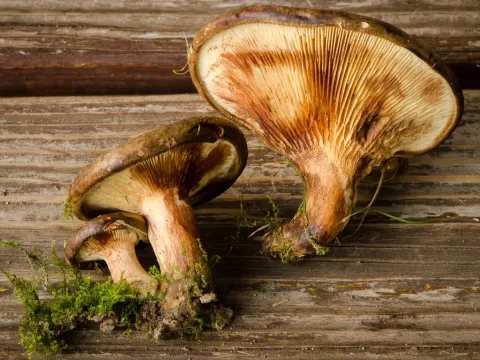
Paxillus
Paxillus
The genus Paxillus encompasses fungal species that can act as facultative parasites affecting the root systems of various plant species.
What the section contains
Paxillus
The pathogen thrives by developing an extensive network of mycelium that interferes with the natural absorption processes of the root zone.
As a basidiomycete, the fungus utilizes its physiological mechanisms to colonize the rhizosphere, effectively competing with beneficial soil microbes.
The biological cycle of this pathogen is closely linked to its ability to persist in the soil substrate for extended periods.
During the colonization phase, the fungus produces secondary metabolites that disrupt normal plant development and nutrient uptake.
Environmental factors such as high soil moisture and low oxygen levels are primary drivers for the proliferation of this pathogen.
Optimal growth of the fungal mycelium typically occurs in cool, damp conditions with temperatures ranging from 15 to 22 degrees Celsius.
Soil with an acidic pH profile provides a significantly more conducive environment for the expansion of Paxillus colonies.
Compacted soil surfaces that prevent water drainage contribute to the increased spread and severity of the fungal infection.
Excessive organic debris within the soil layer provides the necessary nutrients for the pathogen to maintain a high level of metabolic activity.
The primary damage caused by this pathogen is the degradation of fine root structures, leading to compromised water and nutrient transport.
Visible symptoms include stunted growth, chlorosis of the foliage, and a general decline in the overall vigor of the host plant.
In mature plants, the infestation results in decreased annual growth increments and increased susceptibility to environmental stress.
The root system's compromised integrity facilitates the entry of secondary pathogens, significantly increasing the mortality rate.
Economic losses are associated with the reduced quality and viability of planting stock, necessitating remedial agronomic actions.
Effective management requires improving soil aeration through mechanical cultivation to reduce excess moisture in the root zone.
Liming the soil to adjust the pH level to a more neutral or slightly alkaline range is a proven preventative measure against the fungus.
The strategic application of systemic fungicides can help mitigate the impact of the pathogen during periods of high vulnerability.
Integrating biological controls, particularly beneficial soil fungi like Trichoderma, helps restore the natural microbial balance.
- Monitoring soil drainage and implementing adequate irrigation practices.
- Removing and destroying heavily infested plant material immediately.
- Regular soil testing to identify and correct pH imbalances.