
Paxillaceae
Paxillaceae
The Paxillaceae family comprises a group of fungi belonging to the order Boletales, which are not categorized as plant pathogens.
What the section contains
Paxillaceae
Unlike parasitic fungi that cause plant diseases, members of the Paxillaceae family are strictly mycorrhizal symbionts associated with various tree species.
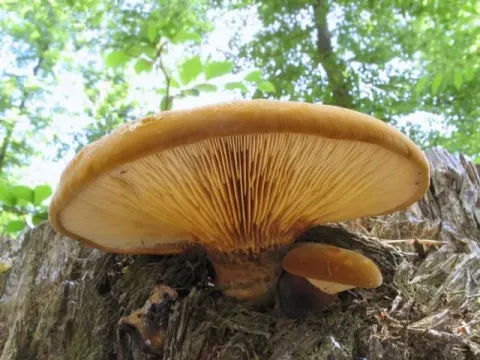
They are characterized by their lamellate (gilled) hymenophore, which often decurrents onto the stipe, distinguishing them from traditional boletes.
In an agricultural context, these organisms do not infect crops, vegetables, or fruits, meaning they do not require any plant protection interventions.
Biological research confirms that their presence in a forest ecosystem contributes to the health of trees by improving nutrient uptake from the soil.
Paxillaceae fungi thrive in forest soils rich in organic matter, where they can successfully establish symbiotic connections with tree roots.
Optimal development of fruit bodies is observed during periods of high soil moisture and mild temperatures, typically in late summer and autumn.
They show a preference for slightly acidic environments and are often found in both coniferous and deciduous forests across temperate zones.
The dispersal of spores is largely facilitated by wind, allowing the fungi to colonize new areas near suitable host trees.
Stable climatic conditions without extreme droughts are essential for the mycelium to remain active and support the tree's root system.
There is no economic harm caused by Paxillaceae to agricultural production, as they do not possess any pathogenic traits towards cultivated crops.
The primary risk associated with this family is the toxicity of certain species to humans, such as the Paxillus involutus, which is now considered poisonous.
Some species have a known capacity to bioaccumulate heavy metals and radioactive cesium, which makes them indicators of soil contamination.
Applying fungicides to control these fungi is counterproductive and harmful to the natural soil microbial community, which is crucial for soil health.
Public safety concerns are limited to the accidental ingestion of these fungi, which can cause severe health complications due to their persistent toxins.