
Pandora neoaphidis
Pandora neoaphidis
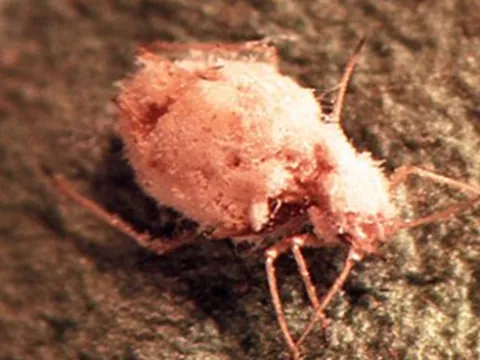
The primary visual symptom of Pandora neoaphidis infection is a color change in the aphid, which becomes pale, yellowish, or brown.
What the section contains
Pandora neoaphidis
As the infection progresses, the insect loses its mobility and remains firmly attached to the plant surface, often on the underside of leaves or stems.
In the final stages, a white or gray layer of fungal growth (conidiophores and spores) becomes visible on the surface of the aphid's body.
Infected aphids stop feeding entirely, leading to a rapid decline in the health of the colony and eventual death of the individual pests.
Under high humidity, a characteristic halo of dispersed spores can often be observed around the dead aphid, indicating active transmission.
Pandora neoaphidis is a highly specialized entomopathogenic fungus belonging to the order Entomophthorales, family Entomophthoraceae.
This fungus is specifically adapted to infect various species of aphids (Aphididae), making it a key natural enemy of these common pests.
The infection begins when fungal spores land on the aphid cuticle, germinate, and penetrate the insect body using specialized enzymes.
Once inside, the fungus proliferates, consuming the aphid's internal tissues and ultimately killing the host to complete its lifecycle.
Due to its high level of host specificity, this fungus is widely recognized as a powerful agent for biological population regulation.
The development and transmission of Pandora neoaphidis are strongly dependent on environmental conditions, particularly high relative humidity.
Optimal temperatures for the fungus range between 15°C and 22°C, aligning with the peak activity periods of many aphid species.
High population density of aphids on host plants facilitates faster horizontal transmission of the fungal spores between individuals.
Direct exposure to UV light and dry air can negatively affect the longevity and germinability of the fungal spores in the field.
Microclimates within dense plant canopies often provide the necessary humidity and protection for the fungus to trigger an epizootic outbreak.
Pandora neoaphidis is not harmful to crops; rather, it is highly beneficial as it serves as a natural biological control agent against aphids.
By causing epizootic outbreaks within aphid populations, the fungus helps to significantly reduce the pest pressure on agricultural and horticultural crops.
Effective control of aphid colonies prevents mechanical damage caused by sap-feeding and reduces the spread of plant viruses transmitted by aphids.
Natural suppression of aphid numbers by this fungus can lead to a reduced necessity for synthetic insecticide applications in fields and greenhouses.
Maintaining a healthy population of this fungus contributes to a more sustainable and balanced ecosystem in commercial agricultural settings.
To support Pandora neoaphidis activity, growers should prioritize integrated pest management (IPM) practices that minimize the use of broad-spectrum fungicides.
Creating and maintaining field margins or windbreaks can help sustain the humidity levels required for the effective dispersal of fungal spores.
Monitoring the prevalence of fungal infection in aphid colonies allows for informed decision-making regarding the need for additional pest control.
Biological preservation techniques focus on creating favorable microclimatic conditions that allow the fungus to thrive and naturally manage pest outbreaks.
Ongoing research into the mass production and formulation of Pandora neoaphidis offers potential for its use as a commercial biopesticide.