
Pannaria
Pannaria
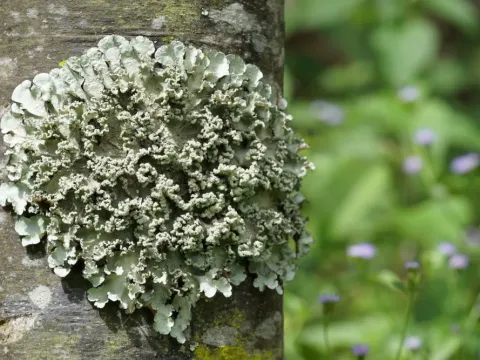
Pannaria is a genus of foliose lichens that often settle on the trunks and branches of mature trees. Visually, they appear as rounded or irregular rosettes with a brownish, bluish, or grayish-green tint.
What the section contains
Pannaria
The margins of the lichen lobes are usually slightly raised, and the surface of the thallus may have a characteristic grainy texture or small outgrowths. Unlike parasitic fungi, the lichen does not penetrate deep into the plant tissues but attaches itself only to the outer bark.
An important sign of the presence of Pannaria is its ability to retain moisture, which creates a favorable environment for other microorganisms on the bark surface. The lichen is noticeable throughout the year, especially in humid conditions.
The color of the Pannaria thallus can change depending on light intensity and humidity, becoming more vibrant after rain. It appears as a dense, tight layer that adheres firmly to the bark, making it difficult to remove without causing minor damage to the surface.
When examining trees in gardens or orchards, it is crucial to distinguish lichens from pathogenic fungi that cause bark necrosis, as Pannaria is an epiphyte, not a true pest or disease-causing agent.
Pannaria (genus Pannaria) is a type of lichen consisting of a symbiotic union between a fungal partner (mycobiont) and a photosynthetic alga, most commonly from the genus Nostoc.
The fungal component of Pannaria ensures the lichen's attachment to the substrate while protecting the algae from desiccation. The algae, in turn, provide nutrients to the organism through the process of photosynthesis.
Biologically, this object is not a pathogen causing an infectious disease in the classical agronomic sense. Lichens use the tree exclusively as a site for attachment and do not extract nutrients from the plant.
Reproduction of Pannaria occurs via spores or vegetatively through fragments of the thallus, which are dispersed by wind or rain drops. When landing on a suitable, sufficiently moist surface, these fragments grow into new organisms.
The presence of Pannaria on trees is often considered a bioindicator of air quality, as these lichens are highly sensitive to industrial pollution and atmospheric contamination.
The development of Pannaria requires specific conditions, primarily high relative air humidity and moderate temperatures. Consequently, these lichens are most frequently encountered in regions with frequent precipitation.
For successful colonization, the lichen requires old, rough bark that retains moisture for a long time after rain. Pannaria is rarely found on young trees with smooth, healthy bark.
A crucial factor for spreading is shading. In dense, poorly ventilated crowns, conditions are created that favor the colonization of trunks by lichens, as high levels of moisture are maintained for longer periods.
Lack of proper maintenance, such as dense canopy cover and the presence of decaying bark segments, promotes the active growth of Pannaria colonies on the main stem of the tree.
Pannaria is highly sensitive to the quality of the atmosphere. Its presence on trees typically indicates an absence of toxic emissions and a generally stable ecological status of the surrounding environment.
Although Pannaria does not feed on the tree's sap, its mass development on the trunk can create certain inconveniences for the tree's physiological state. The primary concern is the obstruction of gas exchange for the bark.
A dense layer of lichen blocks normal bark respiration, which can lead to a slowing of metabolic processes in the cambium layer. Additionally, excessive moisture often accumulates beneath the lichen thallus.
The moisture retained by the lichen creates a comfortable micro-habitat for various garden pests, including bark beetles or aphids, which may use the lichen as a shelter or breeding ground.
Excessive lichen cover can visually stress the tree, often signaling that the plant is struggling with its immune response or is suffering from poor overall maintenance or health.
In the long term, if the bark is not cleaned, the constant presence of Pannaria combined with trapped moisture may soften the outer layers of the bark, potentially making it more susceptible to secondary fungal infections.
Prevention of Pannaria begins with regular sanitary pruning of the tree canopy, which ensures proper aeration and ventilation of the trunks and branches.
An effective control method is the mechanical cleaning of the bark. Using scrapers or stiff brushes, one can carefully remove the lichens while being cautious not to damage the living tissues beneath.
To prevent the recurrence of lichens, limewashing the trunks is highly recommended. Whitewashing makes the bark surface unsuitable for spore attachment and growth.
The use of copper-based fungicides can also help effectively clear the bark of lichens. It is important to perform such treatments during the dormant season to avoid chemical injury to the tree buds.
Maintaining the overall vitality of the tree through proper irrigation, fertilization, and pest control reduces the risk of epiphytic colonization, as a healthy, robust plant can better resist the growth of unwanted organisms.